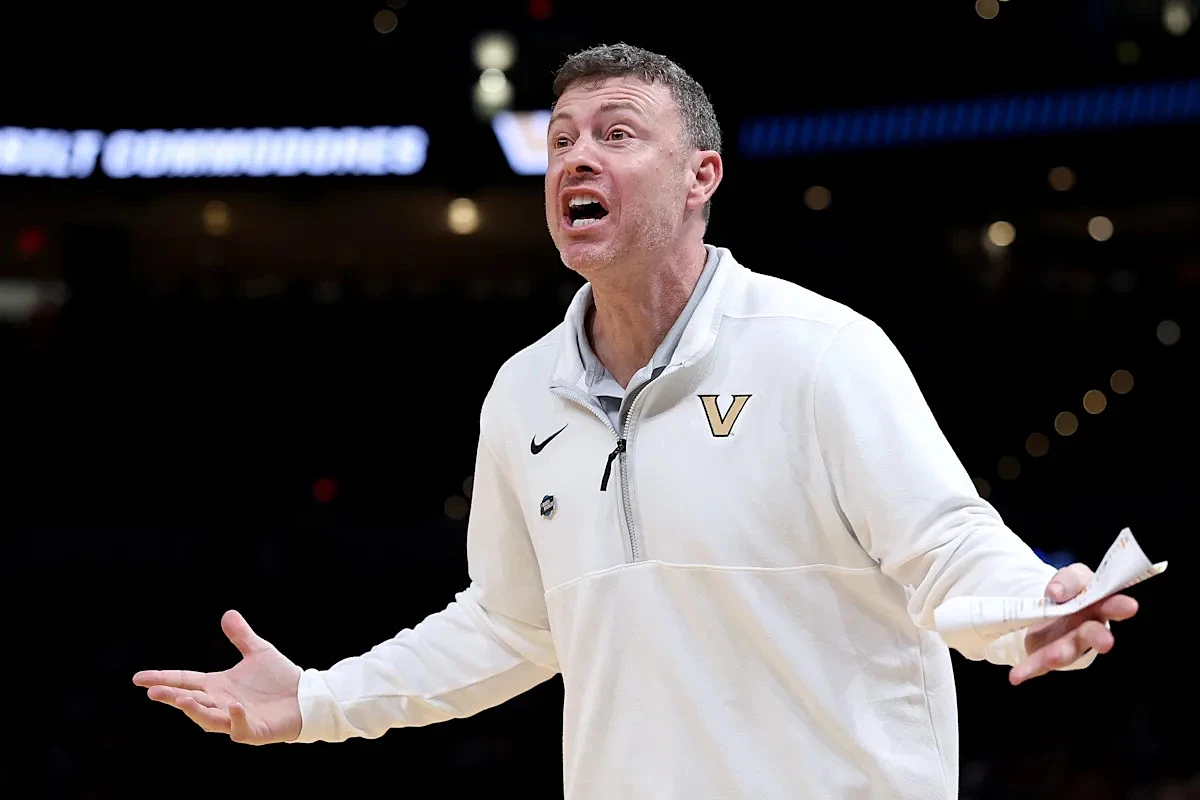
When it comes to college basketball coaching salaries, the numbers can sometimes surprise even the most seasoned fans. In 2024, Vanderbilt University made headlines not just for its on-court performance, but for a striking contrast in pay between two of its head coaches.
Despite being fired just three months into the season, former Vanderbilt basketball coach Jerry Stackhouse earned over $4.7 million in 2024. Meanwhile, his successor, Mark Byington, who took over the program mid-year, made approximately $2.7 million for a partial season. These figures come from tax records obtained by The Tennessean, offering a rare glimpse into the financial workings of a private university's athletic department.
Since Vanderbilt is a private institution, full coaching contracts aren't publicly accessible through records requests. However, the university must file a 990 tax form detailing compensation for its five highest-paid employees within 18 months of each calendar year's end. The 2024 records are the most recent available, and they reveal that Stackhouse ranked among the university's top earners that year.
Breaking down the numbers: Stackhouse received a base salary of $1,223,740, along with "other reportable compensation" totaling $3,495,761, plus bonuses and incentives of $60,000. While the university isn't required to specify what "other reportable compensation" includes, it's widely understood to reflect his buyout agreement after parting ways with Vanderbilt in March 2024, following a disappointing 9-23 season.
This isn't the first time Vanderbilt has faced a hefty buyout. Former football coach Derek Mason received payments of $2,166,660 annually in 2021, 2022, and 2023, though he wasn't listed on the 2024 tax forms.
For Byington, the 2024 compensation reflects a partial year as he stepped into the role mid-season. Since then, he's made significant strides with the program, leading the Commodores to an NCAA Tournament appearance in 2026 and a strong showing in the SEC tournament. His growing success on the court suggests that while buyouts can be costly, investing in the right coach can pay dividends for a program's future.