As the World Cup approaches, Iranian American soccer fans are grappling with a profound mix of pride and protest. For many in the diaspora, the success of Team Melli—the beloved nickname for Iran's national squad—presents a deeply personal conflict.
Take Arad Ershad, a graduate student from New York who grew up in Tehran. Upon Iran's qualification, he dreamed of traveling to Los Angeles to cheer on the team in their opening match against New Zealand on June 15. LA is home to the world's largest Iranian community outside Iran, making it a poignant venue for these fans.
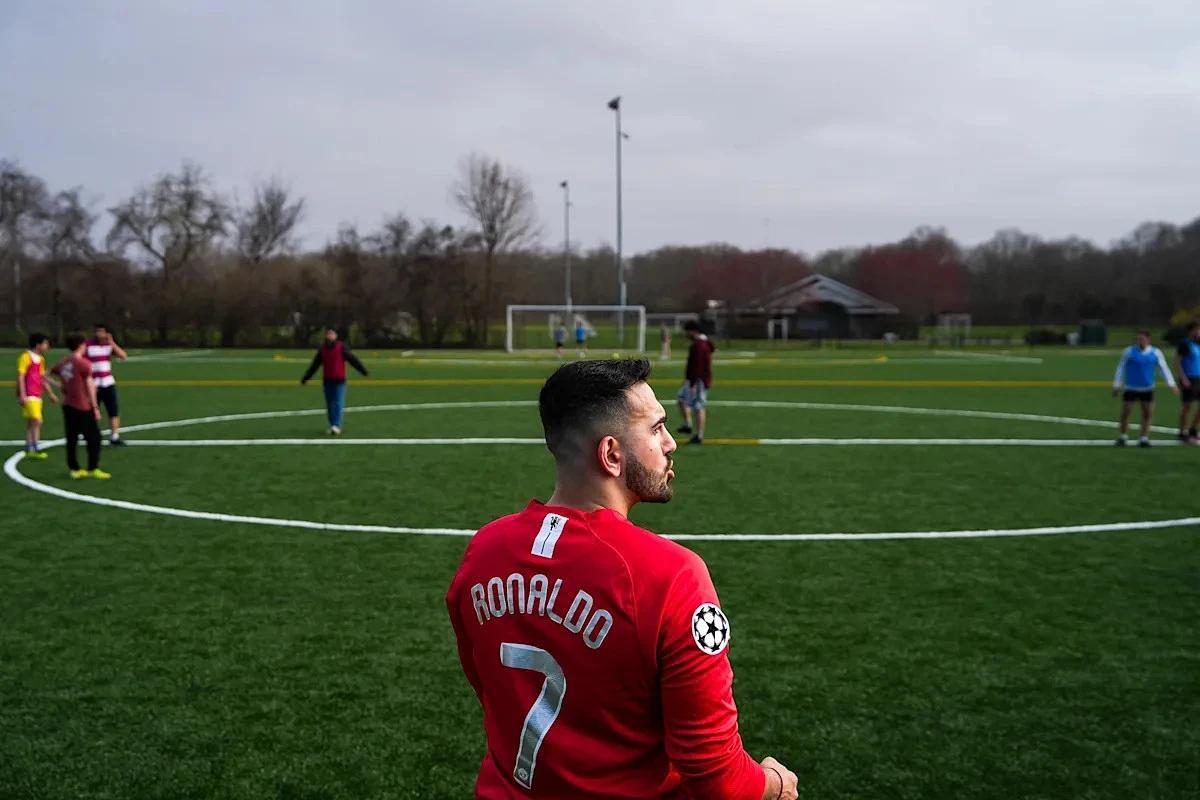
However, Ershad's excitement turned to disillusionment. Like many, he was disheartened when players he had long admired remained silent following the government's deadly crackdown on protesters earlier this year. "They were like my icons, my legends," he lamented during a pickup game on Long Island. "How can you just be silent?"
This sentiment echoes across the community. Some fans now view the national team as complicit in whitewashing state repression and cannot bring themselves to support the squad. Others plan to attend games in Los Angeles to celebrate their heritage and love for the sport, but intend to carry signs of protest. A third group aims to set politics aside entirely, focusing solely on the thrill of seeing Iran compete on soccer's grandest stage.
Adding another layer of uncertainty, Iranian officials have recently questioned the team's participation due to geopolitical tensions, though FIFA has insisted the schedule will proceed. The squad is no stranger to political crosscurrents, as seen when players honored children killed in a past conflict before a match—a gesture some fans interpreted as aligning with the state.
For the Iranian diaspora, supporting their national team has never been just about soccer. As the World Cup kicks off, these fans will navigate a complex landscape where every pass and every goal is weighed against a backdrop of identity, memory, and the hope for change.