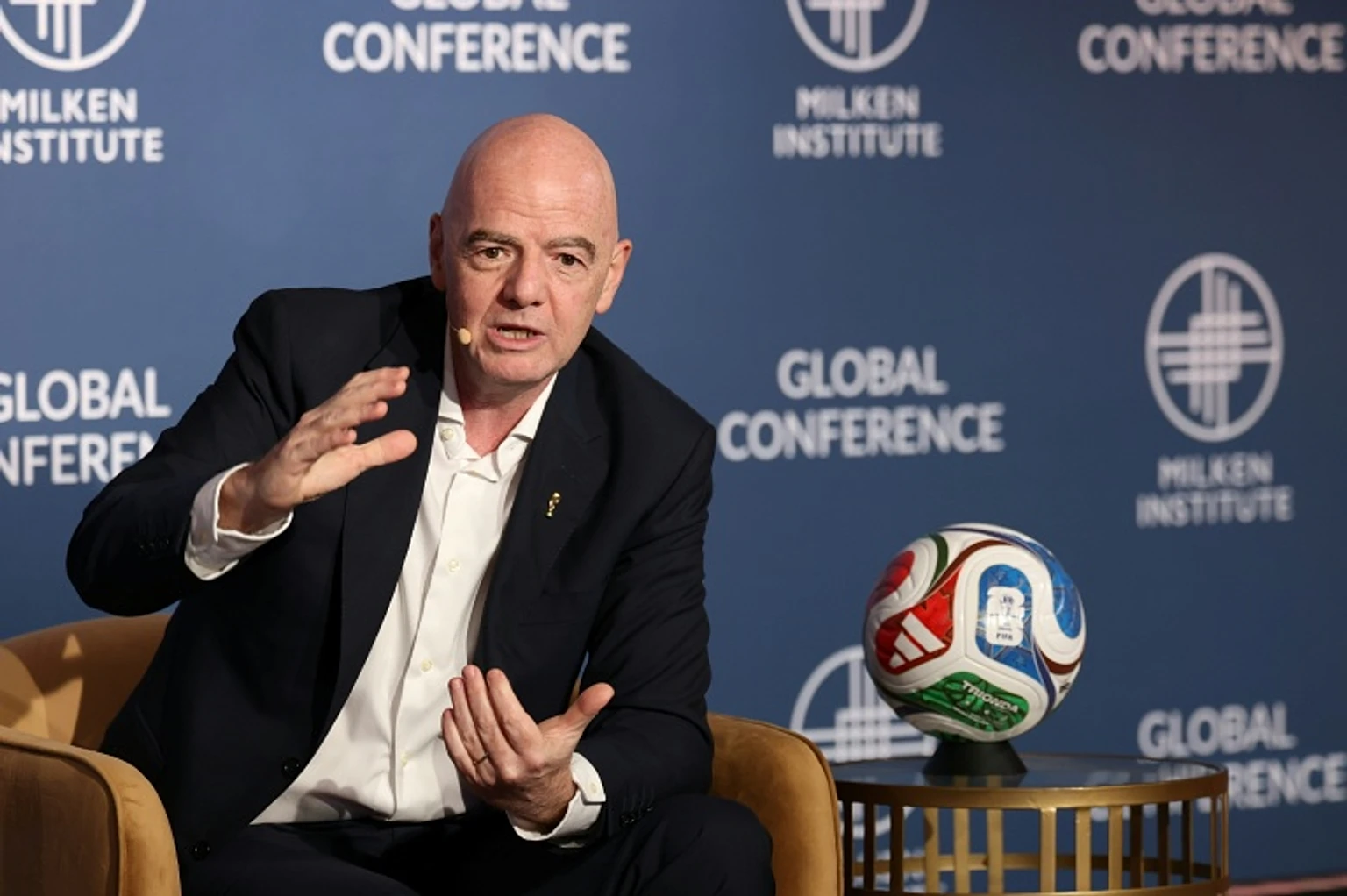
FIFA President Gianni Infantino has stepped up to defend the soaring ticket prices for this summer's World Cup, arguing that the organization is simply playing by the rules of the American market. Speaking at the Milken Institute Global Conference in Beverly Hills on Tuesday, Infantino acknowledged the eye-watering costs but insisted they reflect the unprecedented demand for the tournament.
The controversy reached a fever pitch last week when FIFA's own resale platform, FIFA Marketplace, listed four tickets to the July 19 final in New York at a staggering $2 million each. That's a far cry from the $1,600 face value for the most expensive final ticket just four years ago in Qatar, which has now ballooned to around $11,000 for the 2026 showpiece.
Fan groups have been quick to voice their outrage. Football Supporters Europe (FSE) didn't mince words, calling the pricing structure "extortionate" and a "monumental betrayal." The organization has even taken legal action, filing a lawsuit with the European Commission in March over what they describe as "excessive ticket prices."
Infantino, however, remains unapologetic. He pointed out that the eye-catching $2 million listings don't represent FIFA's official pricing. "If some people put on the resale market tickets for the final at $2 million, number one it doesn't mean that the tickets cost $2 million," he explained. "And number two, it doesn't mean that somebody will buy these tickets."
In a moment of levity, the FIFA president even offered a personal touch for any fan willing to pay that price. "If somebody buys a ticket for the final for $2 million, I will personally bring him a hot dog and a Coke to make sure that he has a great experience."
The core of Infantino's defense rests on market dynamics. He argued that FIFA must "apply market rates" in the United States, where the entertainment industry is the most developed in the world. Crucially, he noted that US laws permit ticket resale, meaning that if FIFA set prices too low, scalpers would simply snap them up and resell them at a massive markup.
For fans hoping to catch the action live, the message is clear: the World Cup is a premium product in a premium market, and the price tag reflects that reality. Whether that sits well with the global football community remains to be seen, but for now, the cost of entry to the biggest show on earth is climbing higher than ever.