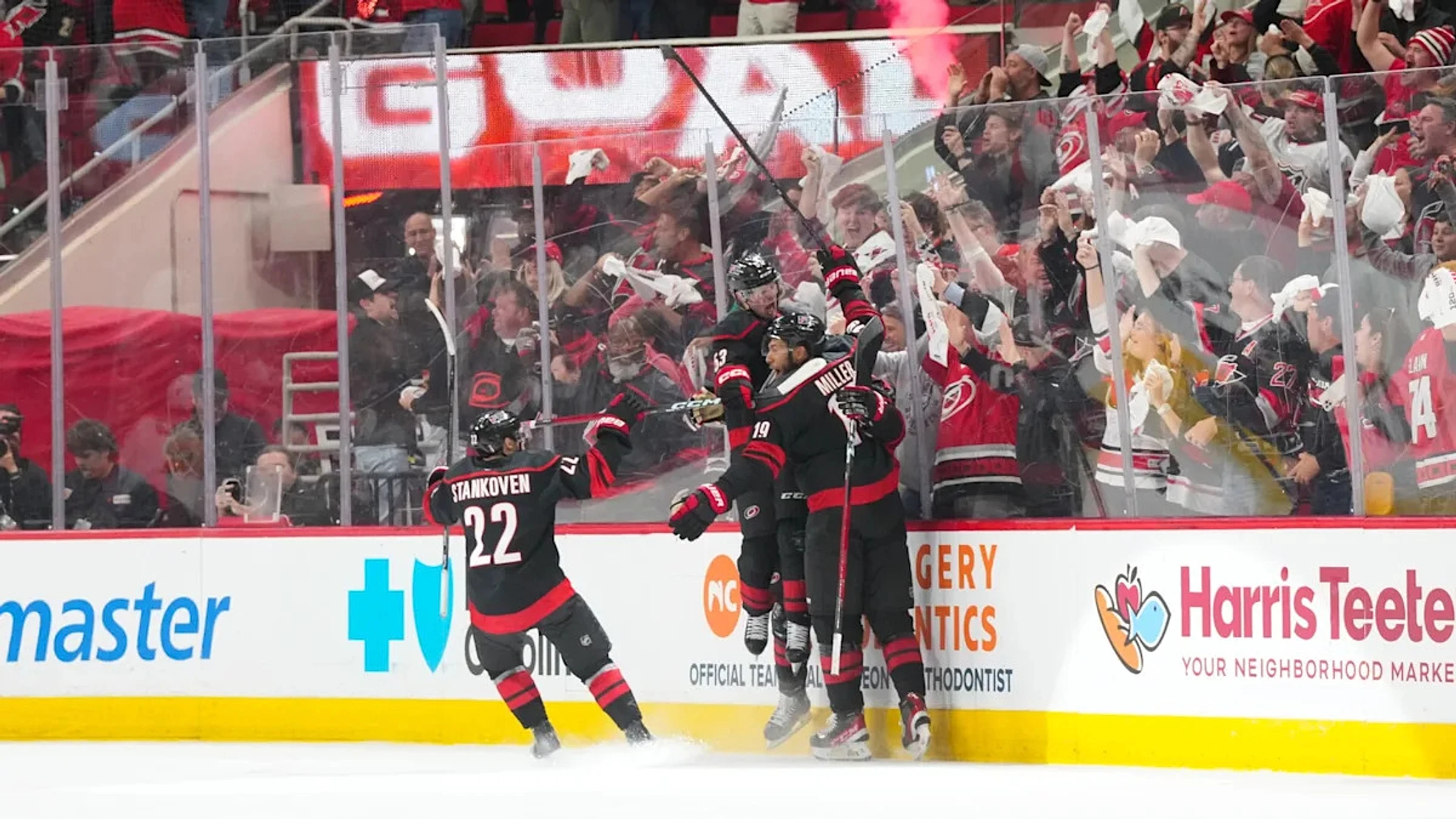
The Carolina Hurricanes are proving that even when they face their first real test of the postseason, they have the grit and resilience to come out on top. In a thrilling Game 2 of their second-round playoff series, the Hurricanes rallied from their first deficit of the playoffs to defeat the Philadelphia Flyers 3-2 in overtime, taking a commanding 2-0 series lead.
After a dominant start to the playoffs—including a first-round sweep of the Ottawa Senators where they never trailed—the Hurricanes finally faced some adversity. The Flyers came out with renewed energy, building an early lead and forcing Carolina to play from behind for the first time this postseason. But as winger Nikolaj Ehlers put it, "We don’t quit."
Ehlers was a key contributor, scoring a goal and assisting on the tying tally in the third period. His performance helped set the stage for Taylor Hall, who delivered the overtime winner with just over a minute left in the extra frame. Hall's gritty effort capped a comeback that showcased the Hurricanes' depth and determination.
However, it wasn't all smooth sailing for Carolina. Head coach Rod Brind’Amour had reason to be frustrated as his team took eight penalties, including two for delay of game and one for too many men on the ice. The constant trips to the penalty box disrupted their usual 5-on-5 rhythm. Fortunately, the penalty kill unit stepped up, holding the Flyers to just 1-for-7 on the power play and improving their postseason kill rate to an impressive .938.
For the Flyers, coach Rick Tocchet got the response he wanted after a lackluster Game 1. Philadelphia played with more urgency and confidence, and the series now shifts to their home ice for the next two games. But the Hurricanes have shown they can win in multiple ways—whether through dominant defense or hard-fought comebacks.
As the series moves to Philadelphia, the Hurricanes will look to clean up their discipline while maintaining the relentless pressure that has made them so dangerous. For fans and players alike, this game was a reminder that in the playoffs, it's not about how you start—it's about how you finish.