Formula 1 just dropped a bombshell that has the motorsport world buzzing—and it’s music to the ears of Cadillac F1 and Ford Racing. Hot on the heels of the Miami Grand Prix, where these American powerhouses made their joint debut on U.S. soil, the FIA has announced plans to bring back the thunderous V-8 engine, ditching the hybrid-focused direction that has left drivers, teams, and fans frustrated.
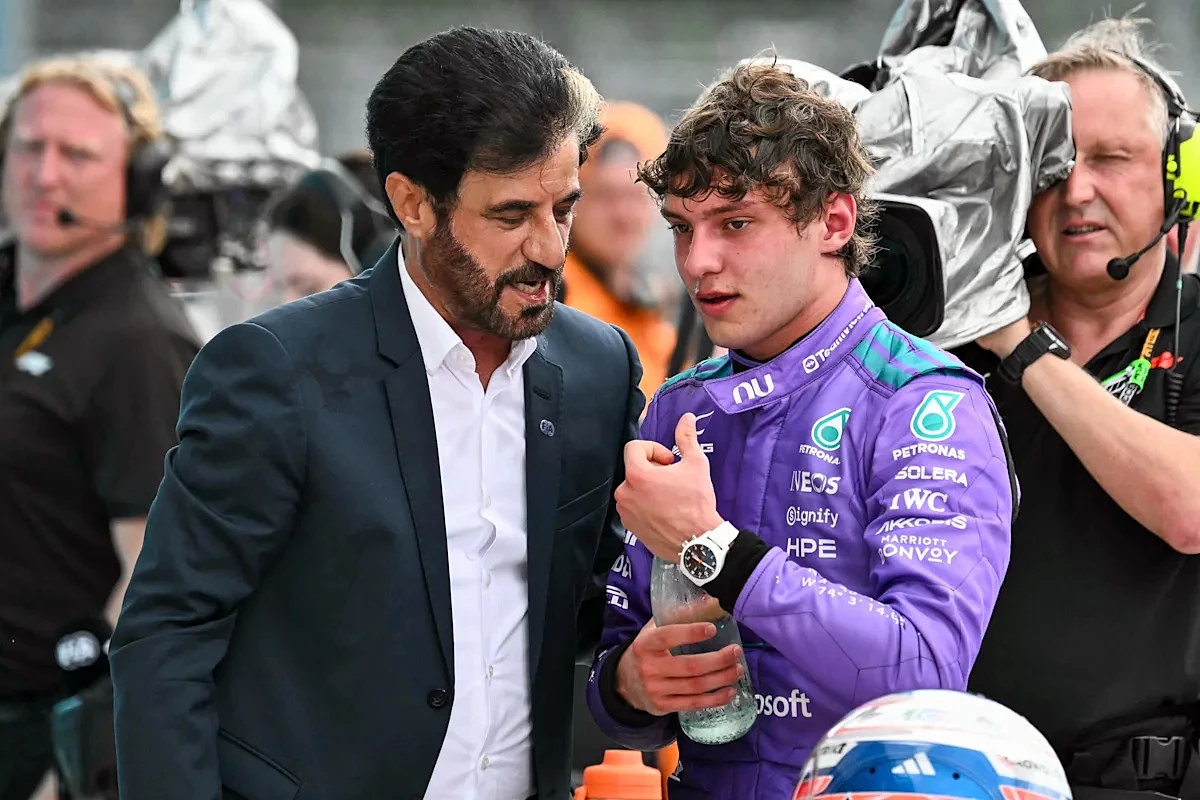
The roar of a V-8 has been sorely missed, and FIA president Mohammed Ben Sulayem made it clear the shift is coming. “It’s a matter of time,” he told Reuters on Sunday, confirming that while the original target was 2031, the governing body is pushing to accelerate the change to 2030. “Everyone is asking for it now.”
This reversal stems from widespread pushback against the 2026 regulations, which introduced a complex 50-50 battery-gas hybrid power unit. Drivers have mocked the system, comparing it to Mario Kart due to the lift-and-coast driving style required for battery regeneration at high-speed circuits like Miami. Beyond the lackluster racing experience, the 1.6-liter turbo V-6 hybrid setup—developed over two decades to align with automakers’ electric vehicle goals—has raised safety concerns and added significant weight.
The political and market landscape has shifted dramatically. Resistance from fans in key markets like the U.S. and Europe, combined with the inherent drawbacks of battery energy storage, has soured the FIA on full electrification. As FIA single-seater technical director Nikolas Tombazis noted, “The automotive companies who were very involved told us they were never going to make another internal combustion engine again—but that has changed.”
For Cadillac F1 and Ford Racing, this is a game-changer. The return of the V-8 means a return to the raw, visceral sound and power that define Formula 1’s DNA. It also signals a future where American muscle meets global motorsport dominance—and that’s a race worth watching.