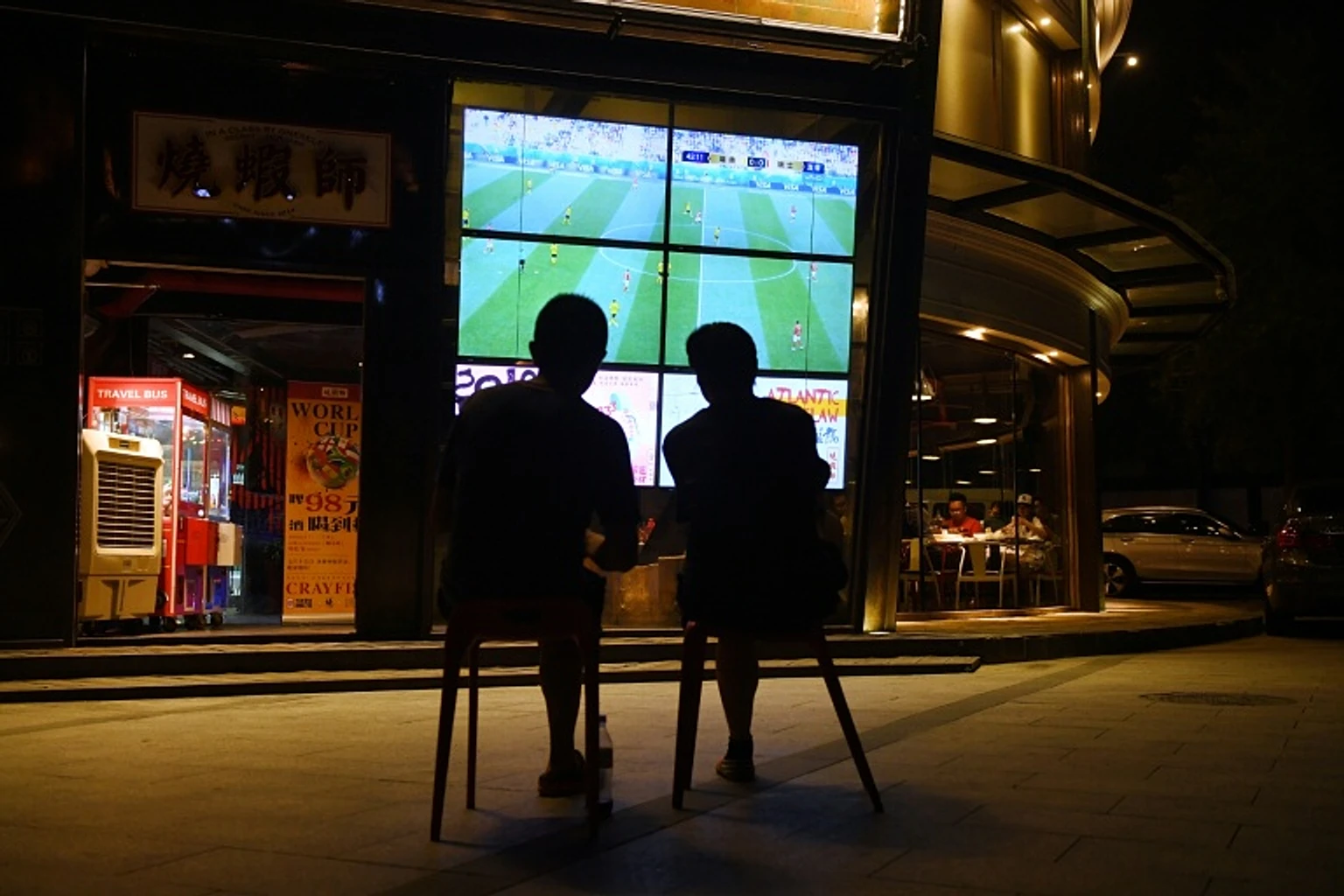
The countdown to the biggest World Cup in history is on—just one month until kickoff. But for millions of football-mad fans across Asia, from China and India to Malaysia and Thailand, the question isn't who will win—it's whether they'll even get to watch.
With the tournament co-hosted by the United States, Canada, and Mexico starting June 11, broadcast rights remain unconfirmed in several key markets. And the culprit? Unsociable match times that have broadcasters and fans alike sweating.
For fans in Beijing and Shanghai, the opening match between Mexico and South Africa kicks off at 3:00 AM local time. The final? Same deal. In New Delhi, it's a slightly more manageable 12:30 AM—but that's still well past bedtime for casual viewers.
"The bigger, better matches are at 12:30 AM or 3:30 AM. A few at 6:30 AM," explains Sandeep Goyal, chairman of advertising agency Rediffusion. "Except die-hard soccer fans, match viewership is likely to be low in India. Therefore monetisation opportunities for the channels come down massively."
This timing challenge has created a standoff between FIFA and broadcasters. Goyal reveals that JioStar, India's largest media conglomerate, has offered $20 million for the rights—far below FIFA's reported $100 million asking price for the 2026 and 2030 World Cup packages. Sony didn't even make an offer.
"The final deal is likely to close at much lower than what FIFA is looking for," Goyal adds.
China, despite accounting for nearly half of all digital and social media viewing during the Qatar 2022 World Cup, also remains without a confirmed broadcaster. Neither China nor India qualified for this expanded 48-team, 104-match tournament, but interest remains intense—especially in China, where state media recently reminded that national broadcaster CCTV holds exclusive negotiating rights.
For fans in Thailand and Malaysia—countries that have never reached the World Cup but where football is wildly popular—the wait continues. No deals have been announced there either.
As the world's biggest sporting event approaches, Asia's football faithful are left hoping for a last-minute save. Whether broadcasters and FIFA can find common ground before the opening whistle remains the biggest match yet to be decided.