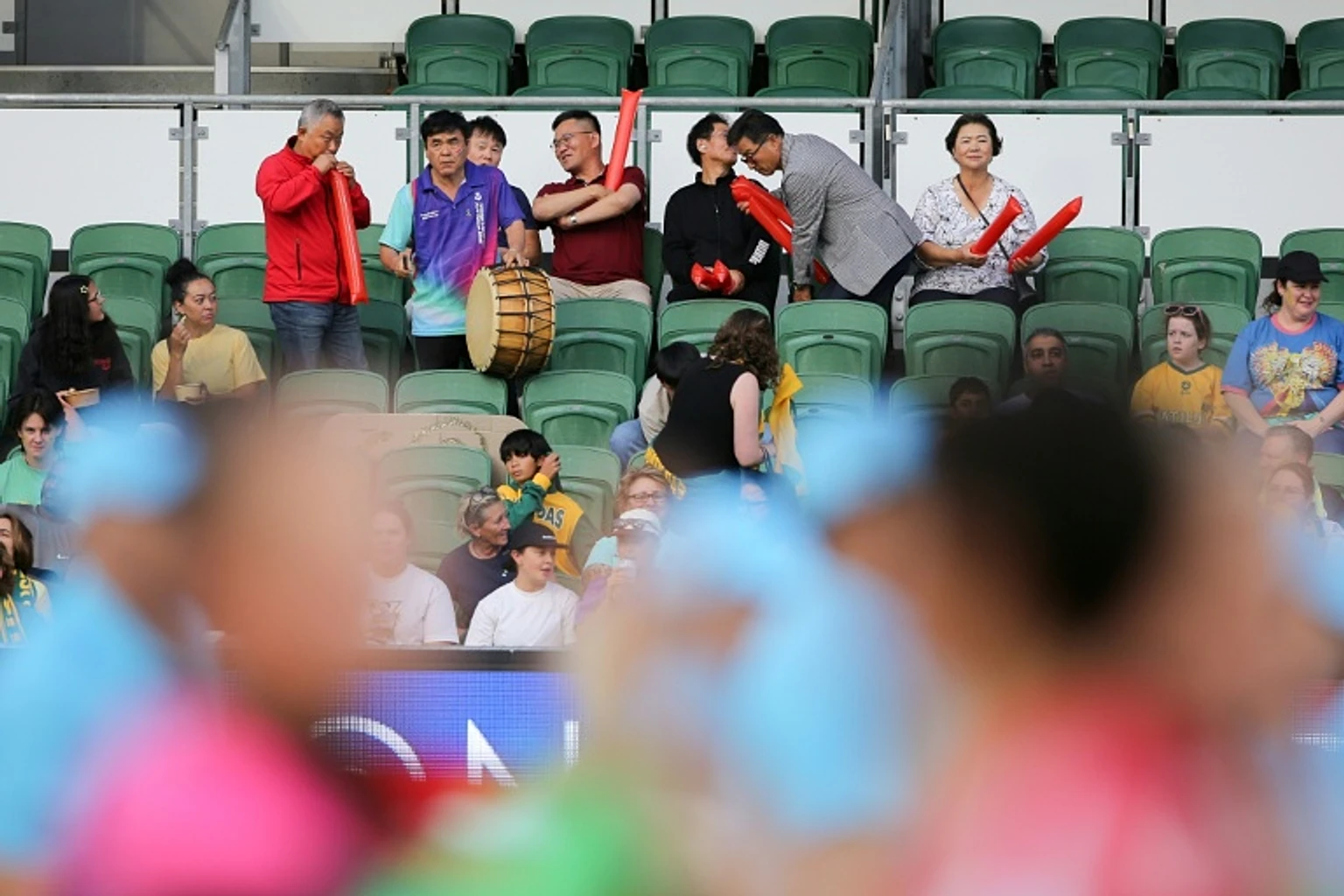
In a historic moment for inter-Korean sports relations, a women's football team from North Korea is set to cross the border into South Korea for the first time in eight years. On Sunday, Naegohyang Women's FC will arrive in the South, followed by a highly anticipated match against Suwon FC Women in the Asian Champions League semi-finals on Wednesday.
This visit carries immense symbolic weight. The two Koreas remain technically at war, as the 1950-53 conflict ended with an armistice, not a peace treaty. Sports have historically served as a bridge between the rivals—most notably during the 2018 Winter Olympics, when North Korea sent athletes, cheerleaders, and a high-level delegation to the South. That event also saw the two nations field their first unified Olympic team, a joint women's ice hockey squad. Even Kim Jong Un's wife, Ri Sol Ju, visited the South in 2005 as part of a cheering squad for the Asian Athletics Championships.
But times have changed. Relations have soured sharply since US-North Korea nuclear talks collapsed in 2019, with Pyongyang now declaring itself an "irreversible" nuclear state. Against this backdrop, the upcoming match is more than just a game—it's a rare and meaningful diplomatic gesture. Analysts suggest North Korea may be "aiming to showcase what it sees as its 'overwhelming superiority' through sporting performance," using this opportunity to send a strong message to its "hostile state" rival.
North Korea has long been a powerhouse in women's football, especially at youth levels, where they've won multiple World Cup titles. The Naegohyang squad arrives with 39 members—27 players and 12 staff—flying in from Beijing. They'll stay at a hotel in Suwon, about 30 kilometers south of Seoul, where the match will take place at the Suwon Sports Complex (capacity: nearly 12,000). Interestingly, both teams will share the same hotel, though dining areas and travel routes will be kept separate, making chance encounters unlikely.
Logistically, the visit is tightly controlled. Under South Korean national security laws, displaying the North Korean flag or playing its national anthem in public could be deemed illegal. Additionally, the Inter-Korean Exchange and Cooperation Act requires South Koreans to get prior approval from the unification minister before any contact with North Koreans. For the players and fans, this match is a rare glimpse of unity on the pitch—a small but powerful step in a long, complicated relationship.