Just one week into the WNBA season, and we're already seeing teams scramble to fill their benches. Despite rosters expanding this year, several squads have turned to hardship contracts to stay competitive—a trend that's likely to continue all season long.
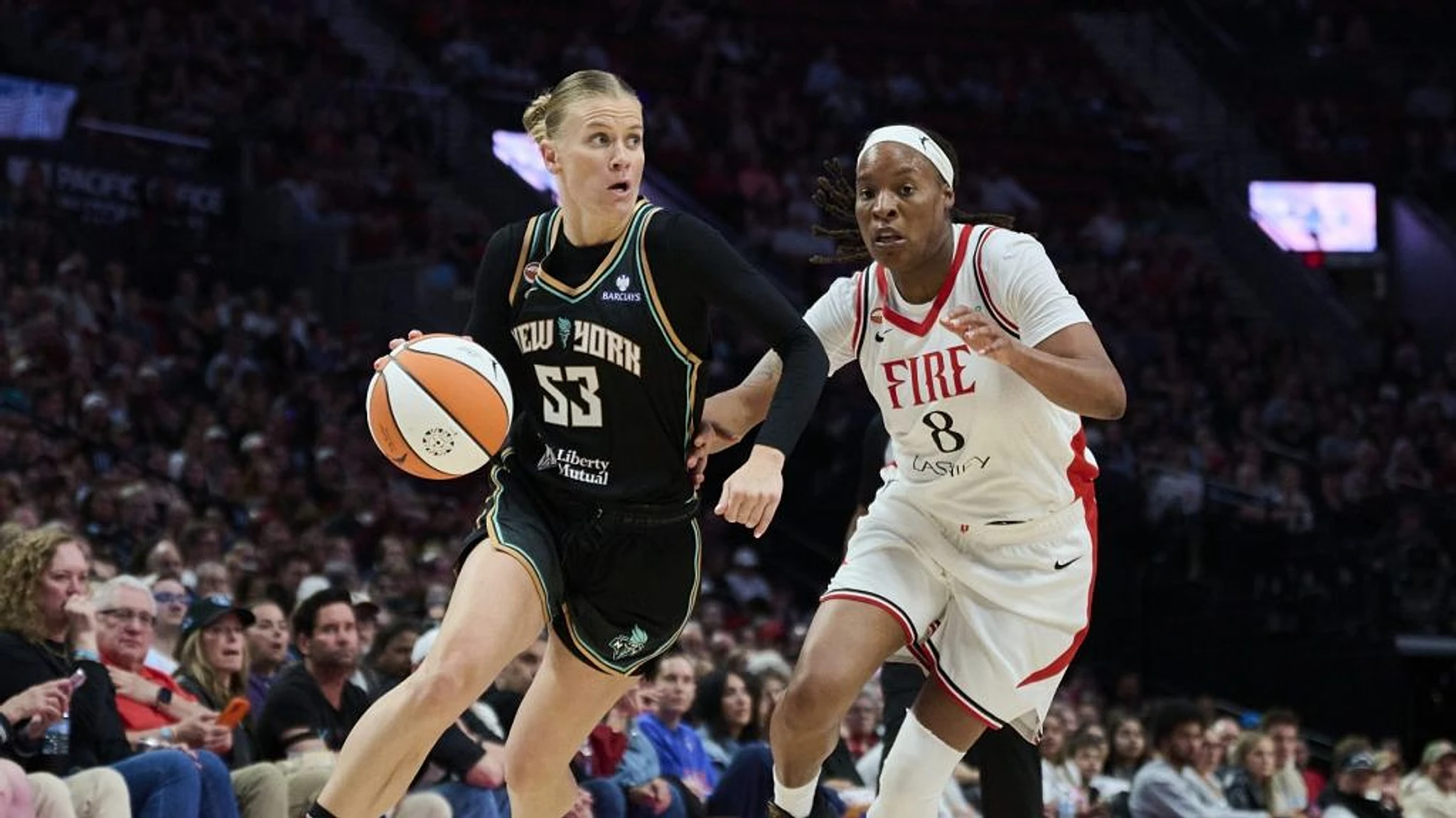
Take the New York Liberty, for example. Hours before their season opener on Friday, they signed Julie Vanloo and Aubrey Griffin to hardship deals. Why? They were down to just seven available players. Injuries sidelined stars like Sabrina Ionescu, Rebecca Allen, and Satou Sabally, while overseas commitments kept Raquel Carrera and Leonie Fiebich away.
Then there's the Golden State Valkyries. On Sunday, they brought in Ashten Prechtel on a hardship contract. Their 2025 first-round pick, Justé Jocyté, is still playing overseas, Iliana Rupert is expecting a child, and both Tiffany Hayes and Cecilia Zandalasini are nursing short-term injuries. It's a roster puzzle that needed an immediate solution.
Both teams received emergency hardship exceptions—a lifeline granted when a team has fewer than 10 healthy players available due to injury, illness, or other reasons, including overseas commitments.
Now, you might be wondering: didn't the WNBA just add more roster flexibility? Yes, under the new Collective Bargaining Agreement, teams now have two developmental roster spots to help manage midseason roster flux. Last year, coaches were practically begging for more spots as injuries piled up. These developmental players don't count against the salary cap and can be activated for up to 12 games per season.
So why are teams already leaning on hardship exceptions? Here's the key: developmental players aren't counted when determining hardship eligibility, according to a league source. That means even with expanded rosters, teams can still find themselves short-handed enough to qualify.
There are actually two types of hardship exceptions. A regular hardship kicks in when a team has at least two players out for three weeks or more, with the second player having already missed at least two games. Then there's the emergency hardship—like what the Liberty and Valkyries used—for immediate, short-term needs. A league source tells Front Office Sports that these rules remain largely the same under the new CBA.
The one big change? Salary. Under the new CBA, those seven-day hardship contracts are now worth 75% of the previous rate. It's a small adjustment, but it reflects the league's evolving approach to roster management in a season that's already testing teams' depth.