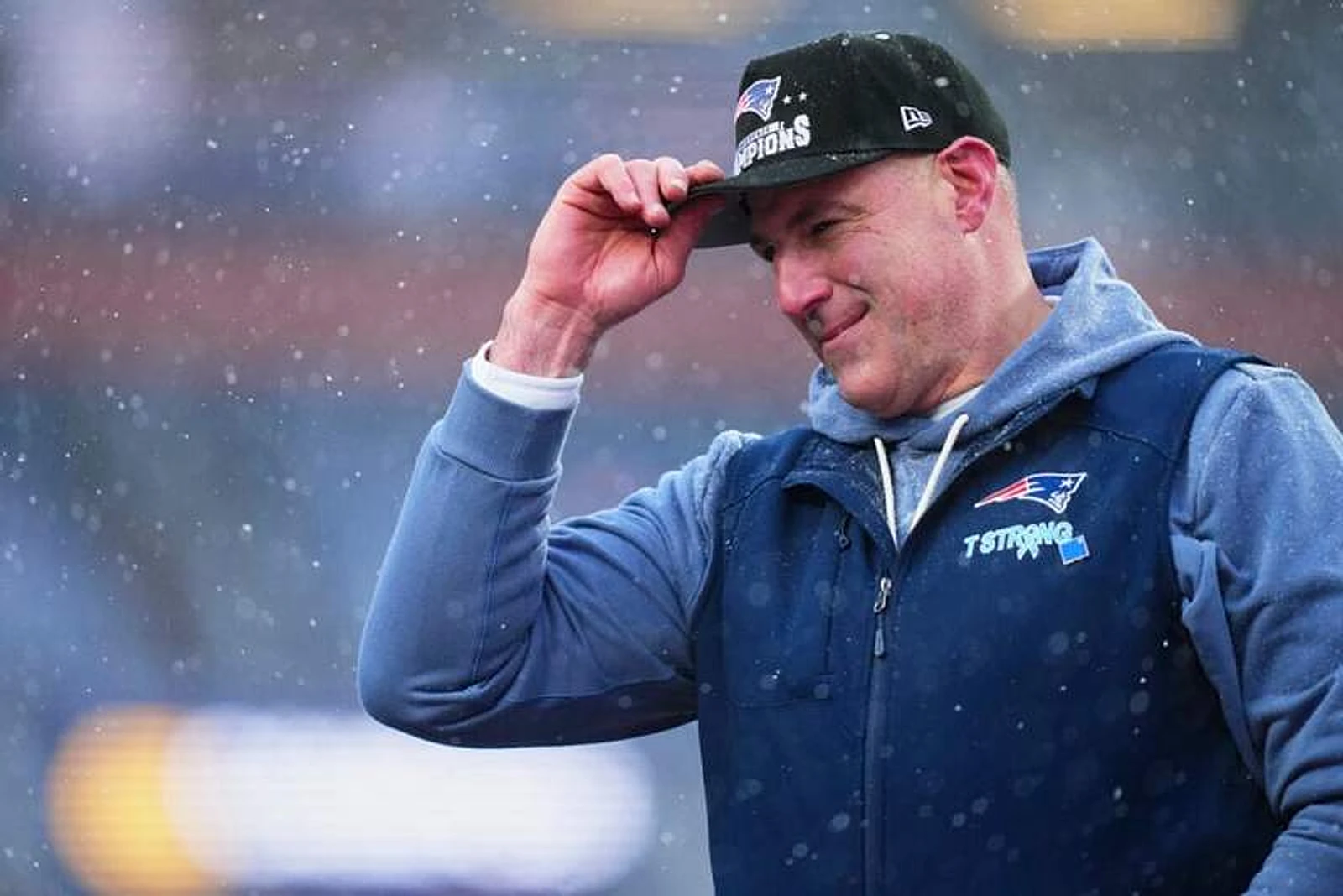
The NFL has decided not to review Tennessee Titans head coach Mike Vrabel's conduct following the controversy involving reporter Dianna Russini, a stark contrast to the severe professional consequences Russini faced. This decision highlights the league's distinction between internal media ethics and on-field personnel conduct.
The situation unfolded after photos emerged of Vrabel and Russini together at an Arizona resort, sparking intense speculation across the sports world. Both individuals defended the interaction as innocent and lacking context, but the professional fallout was immediate and asymmetrical.
While Vrabel continues his preparations for the season, the media side of the equation faced a crisis. Russini's employer, The Athletic, launched an internal review into potential conflicts of interest regarding her reporting, ultimately leading to her resignation after being placed on leave. The controversy deepened with reports that the two had coordinated their public responses, raising significant questions about professional boundaries in sports journalism.
The NFL's stance, confirmed by spokesman Brian McCarthy, is that Vrabel's behavior does not warrant review under the league's personal conduct policy, which mandates avoiding "conduct detrimental to the integrity of and public confidence in the National Football League." The league appears to be treating the matter as private rather than one impacting football operations.
This creates a fascinating divide in the sports world: the same set of events that ended a prominent journalism career is not considered a disciplinary issue for an NFL head coach. For fans and observers, it underscores the complex, often separate, ethical frameworks governing team personnel and the media that covers them.