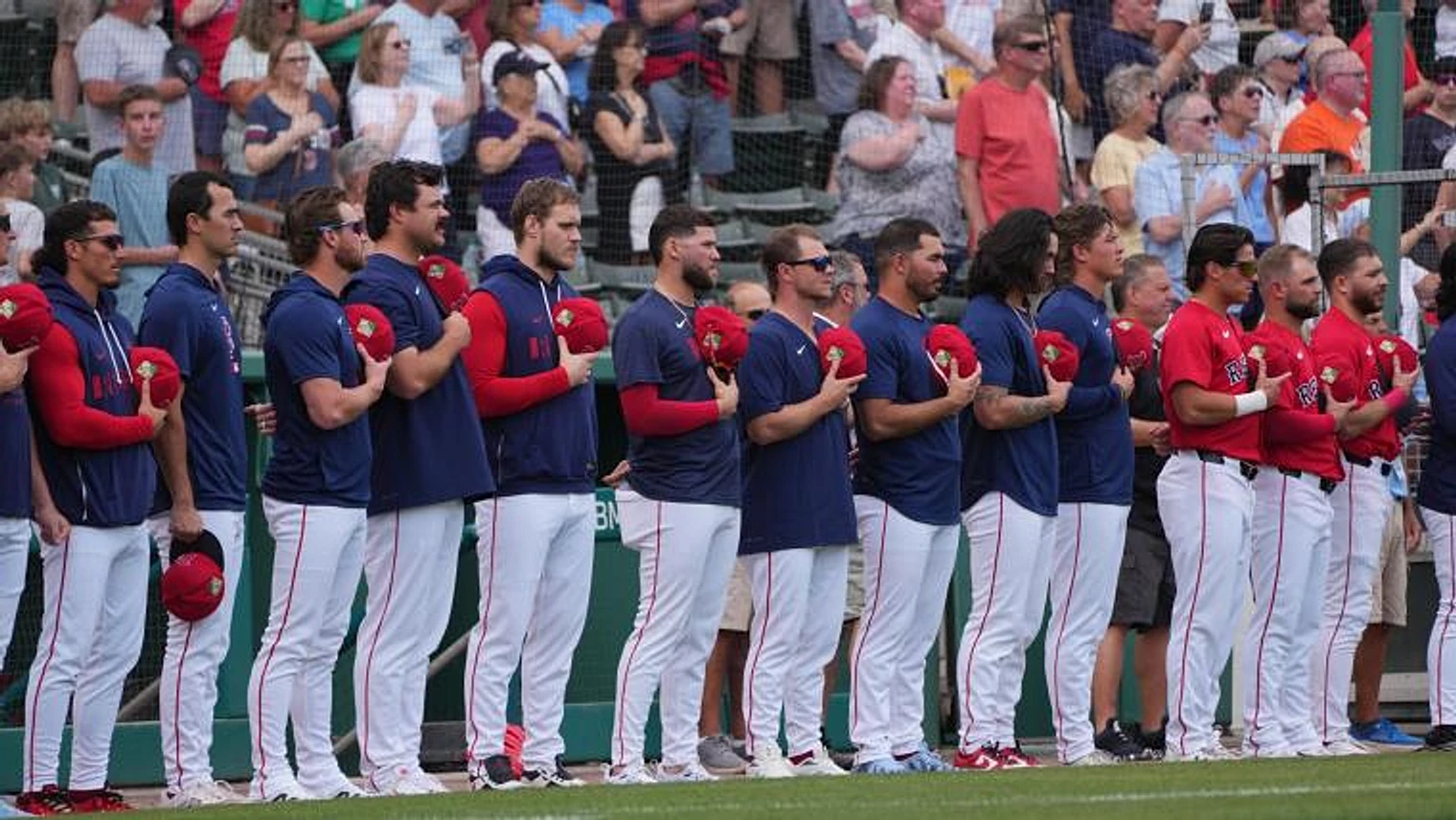
When you think of the Boston Red Sox, certain images come to mind: towering home runs, patient at-bats, and a lineup loaded with superstars who thrive under the Fenway lights. For most of the 21st century, that template has been the team's identity. But if you've been watching the 2026 Red Sox, you might be wondering what happened to the script.
This year's squad is a complete anomaly. Under the guidance of former MLB pitcher Craig Breslow, Boston has flipped the traditional model on its head. Instead of relying on power and star power, the 2026 Red Sox are built around elite pitching and airtight defense. The trade-off? An offense that lacks pop and plate discipline, and a roster that's short on household names after a decade of parting ways with big-time players.
The most jarring change? Fenway Park, once a fortress, has become a house of horrors. Last season, the Red Sox were one of baseball's best home teams, going 48-33 at Fenway and riding that momentum to a playoff berth. This year, they've been far more comfortable on the road, limping to a 6-11 record at home with a minus-16 run differential. Eight of their last 10 home games have ended in losses, leaving the team at 16-22 overall entering Friday's action.
The numbers at Fenway are downright staggering for a team that typically feasts there: 26th in batting average, 26th in on-base percentage, 29th in runs per plate appearance, and dead last in slugging percentage, home runs per plate appearance, and wRC+. They're averaging just 3.12 runs per game at home compared to 4.76 on the road—a gap that's almost hard to believe for a franchise synonymous with offensive firepower.
Sure, some of this could be chalked up to small sample size noise, early-season weather, or a tough home schedule against quality pitching. But there's a deeper issue at play: this lineup simply isn't built to take advantage of Fenway's quirky dimensions. With a lack of thump and few quality right-handed bats, the Red Sox are struggling to do what they've always done best—owning their own ballpark.
For Boston, the formula has always been clear: win at home, play .500 on the road, and you're in the hunt. If the 2026 Red Sox want to turn things around, rediscovering their edge at Fenway is the first and most critical step. After all, in Boston, the home field has always been more than just a stadium—it's the heart of the team's identity.