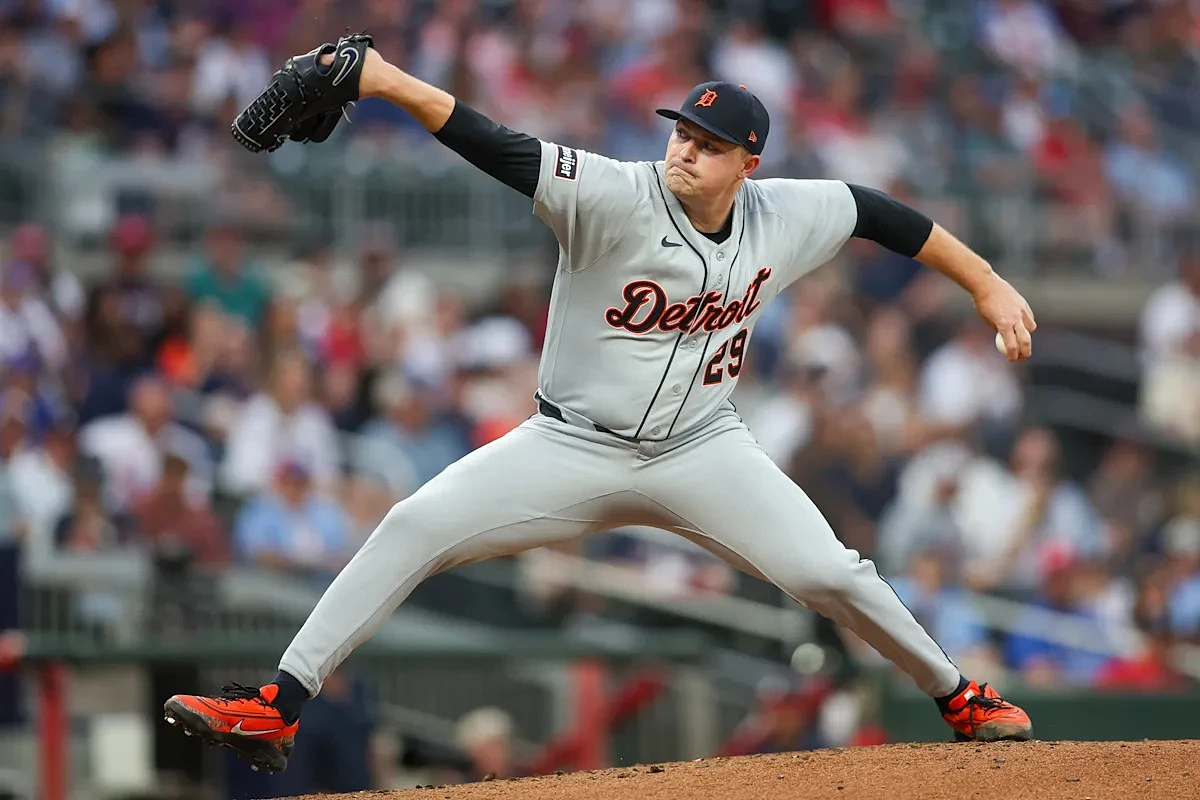
Detroit Tigers ace Tarik Skubal, the two-time defending American League Cy Young Award winner, is facing a temporary setback that has the baseball world talking. The Tigers announced on May 4 that Skubal will undergo arthroscopic surgery to remove loose bodies from his left elbow. While no official timeline has been set, typical recovery for this procedure ranges from two to three months, meaning the 29-year-old lefty could be out of the rotation until July or August.
So, what exactly are "loose bodies" in a pitcher's elbow? Think of them as tiny fragments—bone, cartilage, or a mix of both—that break off and float freely inside the joint. For pitchers, this damage is often the result of the extreme, repetitive stress of throwing. The violent snapping motion of releasing a pitch, repeated thousands of times over a career, can chip away at bone and cartilage, usually from the back of the elbow. These fragments then move around the joint, causing locking, catching, pain, and a loss of range of motion. It's a common issue among pitchers, and while the term sounds alarming, it's generally considered less serious than other elbow injuries Skubal has faced, including Tommy John surgery in 2017 and flexor tendon surgery in 2022.
Arthroscopic surgery is a minimally invasive procedure. Surgeons make tiny incisions to insert a small camera and instruments, locate the fragments, and remove them. Recovery times vary widely from pitcher to pitcher. For example, Atlanta's Spencer Schwellenbach and Hurston Waldrep both had loose body surgery this spring within days of each other. Schwellenbach landed on the 60-day IL and hadn't thrown two months later, while Waldrep was throwing bullpen sessions within weeks. Meanwhile, Los Angeles Dodgers closer Edwin Diaz had the same surgery in April and is expected to miss about four months.
Skubal's exact timeline will become clearer once he consults with doctors and schedules the procedure. For now, Tigers fans can take comfort in knowing that this is a relatively routine fix—one that has helped many pitchers return to the mound stronger than before. Whether you're a pitcher yourself or just a fan of the game, it's a good reminder of the incredible wear and tear that goes into every 95-mph fastball.