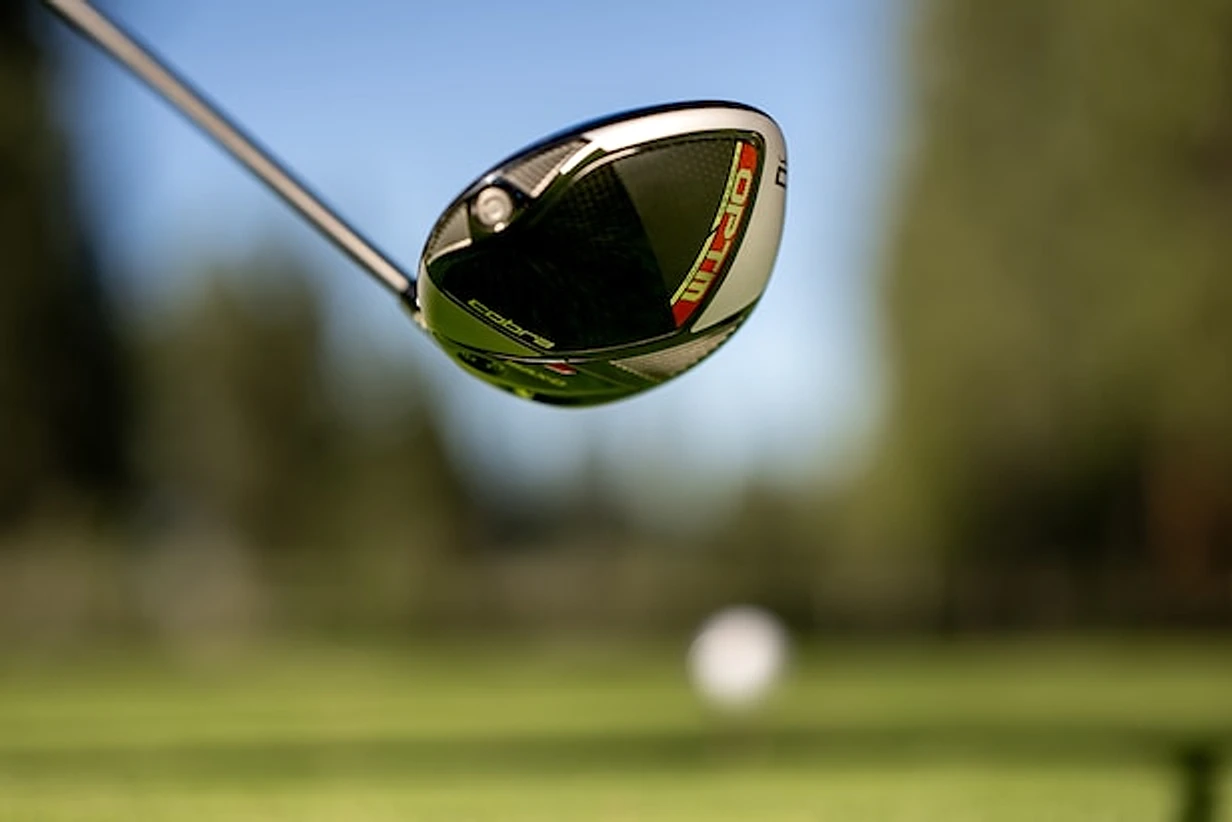
When it comes to chasing speed, Cobra has taken three very different paths over the past three years—and a recent robot test reveals which one actually pays off.
From the H.O.T. face technology of the 2024 Dark Speed, to the speed-and-stability focus of the 2025 Dark Speed Adapt, and now the chassis-driven OPTM platform for 2026, each generation tackles the same challenge: how to minimize the damage of a mishit without giving up any ball speed.
The 2026 OPTM is being billed as Cobra's most performance-tuned driver yet, featuring carbon-composite panels, titanium construction, adjustable tungsten sole weights, and 15 distinct thickness zones for what the company calls its most aggressive face ever. That's a lot of engineering buzzwords—but does it actually deliver better results across the face, especially if you're still gaming a model from one or two generations ago?
To find out, Golf Digest put all three generations through a rigorous robot test at 95 mph club speed. The machine hit 54 shots per driver across nine different face zones—six shots in each zone—to measure everything from center strikes to those dreaded heel and toe mishits.
Here's the surprise: the newest driver isn't always the best. And understanding why can save you time (and money) when you're testing in the hitting bay. The Max family, in particular, tells the most interesting story.
In the Max category, the 2025 Dark Speed Adapt Max-K posted the highest average ball speed at 138.3 mph and the longest total distance at 242.8 yards, with a launch angle of 10.0° and spin rate of 2,455 rpm. The 2026 OPTM Max K came in close behind at 137.9 mph ball speed and 209.9 yards carry, but the 2024 Dark Speed Max lagged at 135.1 mph and 213.0 yards carry.
The takeaway? Speed isn't just about the newest face technology—it's about finding the right combination of forgiveness, launch, and spin for your swing. Whether you're upgrading or sticking with what you've got, knowing these numbers can help you make a smarter choice.