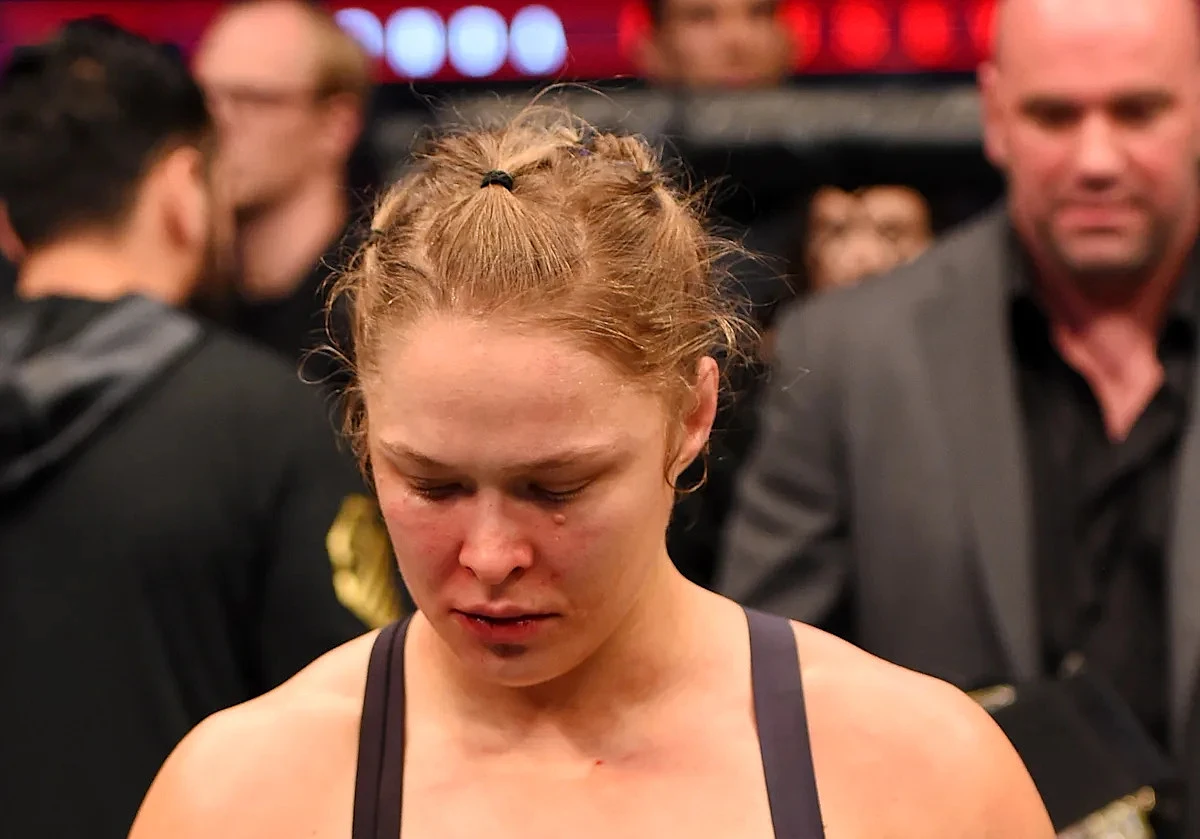
When Ronda Rousey left the UFC in 2016 after two devastating losses, the MMA world was quick to write her off as a champion who ran away to hide. But a decade later, fresh revelations about her health are forcing us to reconsider that harsh judgment. Let's take a closer look at the full story.
Rousey's rise was nothing short of meteoric. She was the unstoppable force that carried women's MMA into the UFC spotlight, a trash-talking champion with an aura of invincibility. Then came UFC 193, where Holly Holm knocked her out cold. The image of Rousey hiding behind a pillow at LAX airport shortly after was a stark contrast to her former swagger. Her comeback fight against Amanda Nunes ended in brutal fashion, and the internet erupted with mocking memes. She vanished from the Octagon for good.
For years, that was the narrative: a brilliant but brief career that ended in humiliation. Unlike many retired fighters who receive nostalgic love from fans, Rousey was largely left to the shadows. But now, speaking openly on "The Ariel Helwani Show," Rousey has revealed a hidden battle that changes everything.
According to Rousey, her exit wasn't a choice—it was a medical necessity. She suffered from an undiagnosed neurological condition that turned her final fights into a nightmare. "The very first time I got hit in that [Holm] fight, it knocked all my lower teeth loose and cut my lower lip open," she explained. "I got this huge—now I know it was a migraine aura, which is a big chunk of my vision basically missing. I lost my depth perception. I lost my ability to think quickly or be able to track moving objects."
She fought through that entire bout with a significant visual impairment, trained to never show weakness. Her final performance against Nunes came while still battling these undiagnosed symptoms. In the world of combat sports, where every fraction of a second matters, fighting blind was an impossible task.
So, were we all too harsh? Rousey's legacy was always more than her final losses. She was the pioneer who headlined the first women's UFC fight, who made female fighters mainstream, and who inspired a generation of athletes. Her five-year career changed the sport forever. Now, with the full picture of her health struggles, it's time to remember Ronda Rousey not for how she left, but for the trail she blazed.