As the Carolina Panthers gear up for the 2026 NFL Draft, they face a familiar and uncomfortable quarterback quandary. Is Bryce Young, the former No. 1 overall pick entering the final year of his rookie deal, the franchise cornerstone? While the team has picked up his 2027 option, Young's performance so far hasn't cemented his status, leaving the front office to ponder its next move.
In this high-stakes scenario, the allure of using a mid- or late-round pick on a developmental quarterback as an insurance policy is understandable. The logic is sound: draft a prospect, let him learn behind Young for a year or two, and create competition for 2028. It's a strategy many teams employ, hoping to find the next diamond in the rough.
However, for the Carolina Panthers, history offers a stark warning. The franchise's track record of selecting quarterbacks after the first round is a cautionary tale of missed potential and unrealized hopes, a history that should give General Manager Dan Morgan serious pause.
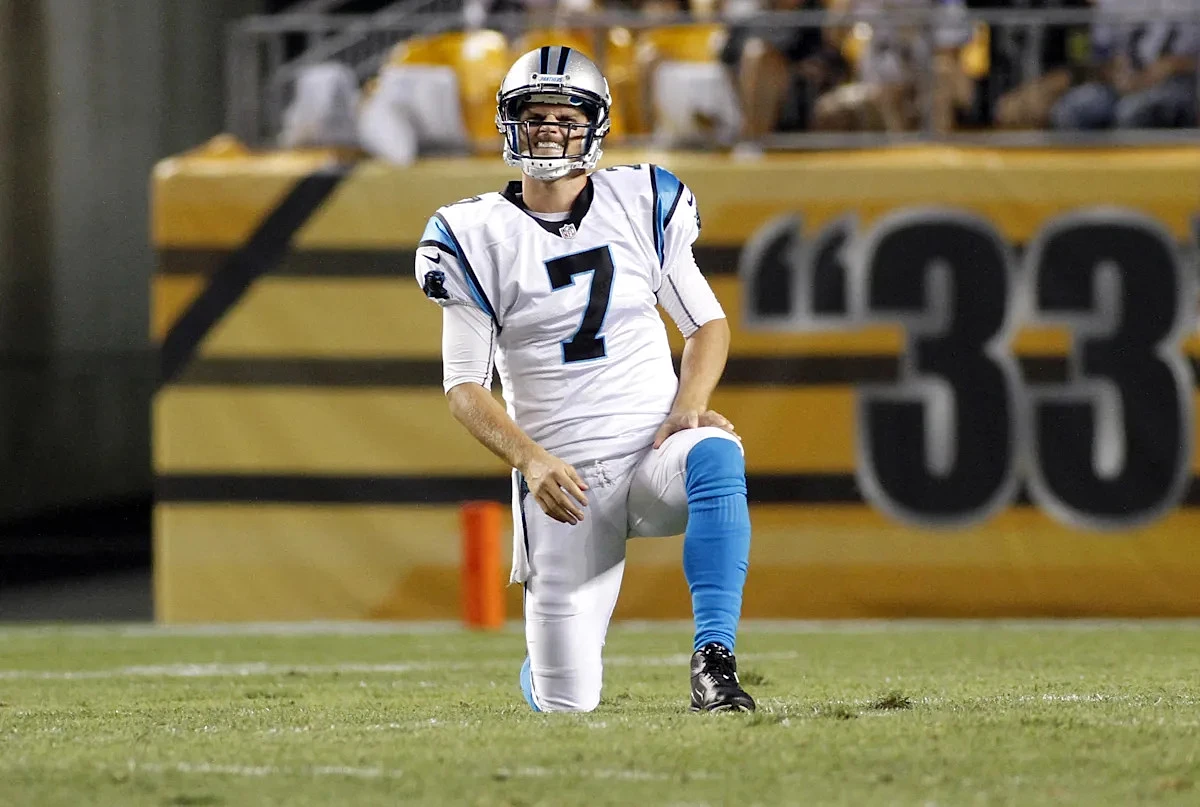
A look back reveals a pattern of struggle. The Panthers have drafted eight quarterbacks outside the first round in their history, with most failing to make a lasting impact. Take Matt Corral, a 2022 third-round pick whose career was derailed by a preseason Lisfranc injury before he ever took a regular-season snap for Carolina. Or Will Grier, a 2019 third-rounder who has bounced around the league as a backup since his two starts as a rookie.
This historical context is crucial for fans and the organization alike. In the NFL, where finding a franchise quarterback is the ultimate puzzle, the Panthers' mid-round QB draft history suggests that hoping for a late-round savior is a high-risk, low-reward gamble. For a team and its passionate fanbase looking to build a consistent winner, the data implies that premium resources—whether a high draft pick or a strategic trade—might be a more reliable path to securing the leader under center.