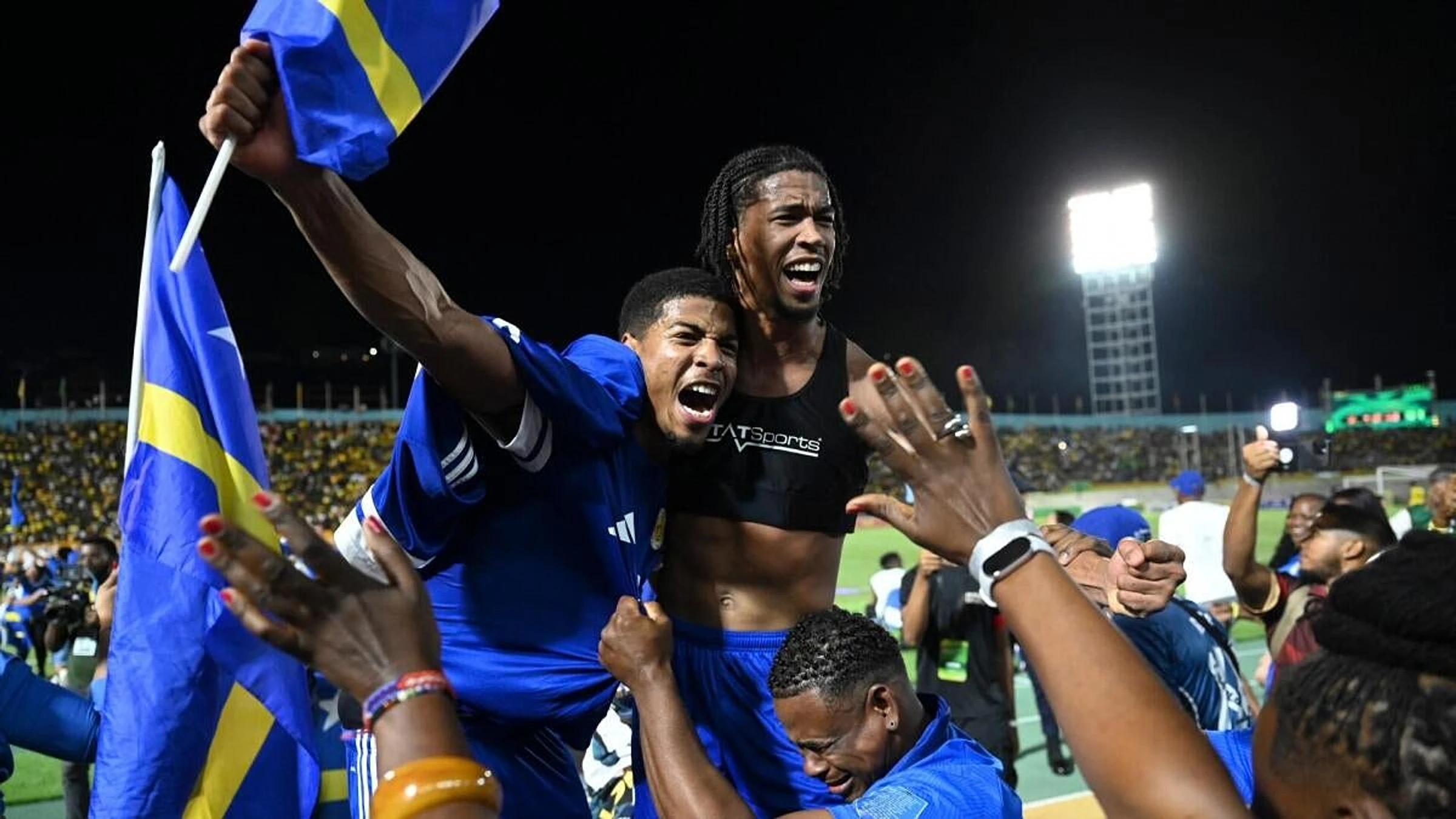
In the heart of the Caribbean, a football fairy tale has unfolded. Curacao, a tiny island nation, has punched its ticket to the 2026 FIFA World Cup, becoming the smallest country ever to grace the global stage. Their journey to the tournament, co-hosted by the United States, Mexico, and Canada, is nothing short of miraculous—and it all began with a single, humbling game nearly a decade ago.
On November 18, a tense 0-0 draw against Jamaica was enough to seal Curacao's qualification. While many expected regional powerhouses like Jamaica or Costa Rica to seize the opportunity created by the automatic qualification of Concacaf's "big three," it was the underdogs from Willemstad who wrote their own history, topping their group and capturing the world's imagination.
But how did a nation of just over 150,000 people reach football's biggest stage? The answer traces back to 2015, when a Dutch legend took the helm. Patrick Kluivert—a name synonymous with Ajax, AC Milan, and Barcelona, and a man with over 70 caps for the Netherlands—brought instant credibility to the role. Though his tenure lasted less than a year, its impact was seismic.
According to Gilbert Martina, president of the Federashon Futbòl Kòrsou (FFK), Kluivert's arrival was a turning point. "Something changed when Patrick Kluivert became the coach because he opened the door for more professional players to choose to play for Curacao," Martina explains. "Before that, it was mainly local players, with maybe three or four from the Netherlands. That had no chance to succeed because professional football is another level."
Kluivert's first big win was convincing top-tier Dutch-Curacaoan talents, like goalkeeper Eloy Room, to represent the island. However, this strategy sparked fierce debate at home. Many locals questioned why the federation was investing in "external" players instead of nurturing homegrown talent. The resistance was palpable—until Kluivert devised a clever solution.
In 2016, he organized a friendly match pitting the overseas professionals against the best local players. The message was clear: let the football do the talking. The result? A resounding 7-1 victory for the Dutch-based squad. That single game silenced the critics. "That was the end of those questions," Martina recalls. Ten years later, that defining moment has paved the way for Curacao's historic World Cup debut—a testament to the power of vision, recruitment, and a legendary coach's belief in what was possible.