
LOS ANGELES –– The quiet whispers of hopeful prayers filled the seats of crypto.com Arena long before roars washed over the floor.
The fluorescent frequency from the lights in the rafters buzzes with a softer hue now that certainty has dissolved into question.
Not from the harsh luminance of expectation, but the soft, searching radiance of a team that has arrived somewhere that many pundits and prognosticators didn't plan for them to be, carrying injuries like uninvited guests, wondering if the path forward requires miracles or merely the stubborn refusal to surrender what has already been built.
Friday night was supposed to be the coronation of how wonderfully Los Angeles has played this season.
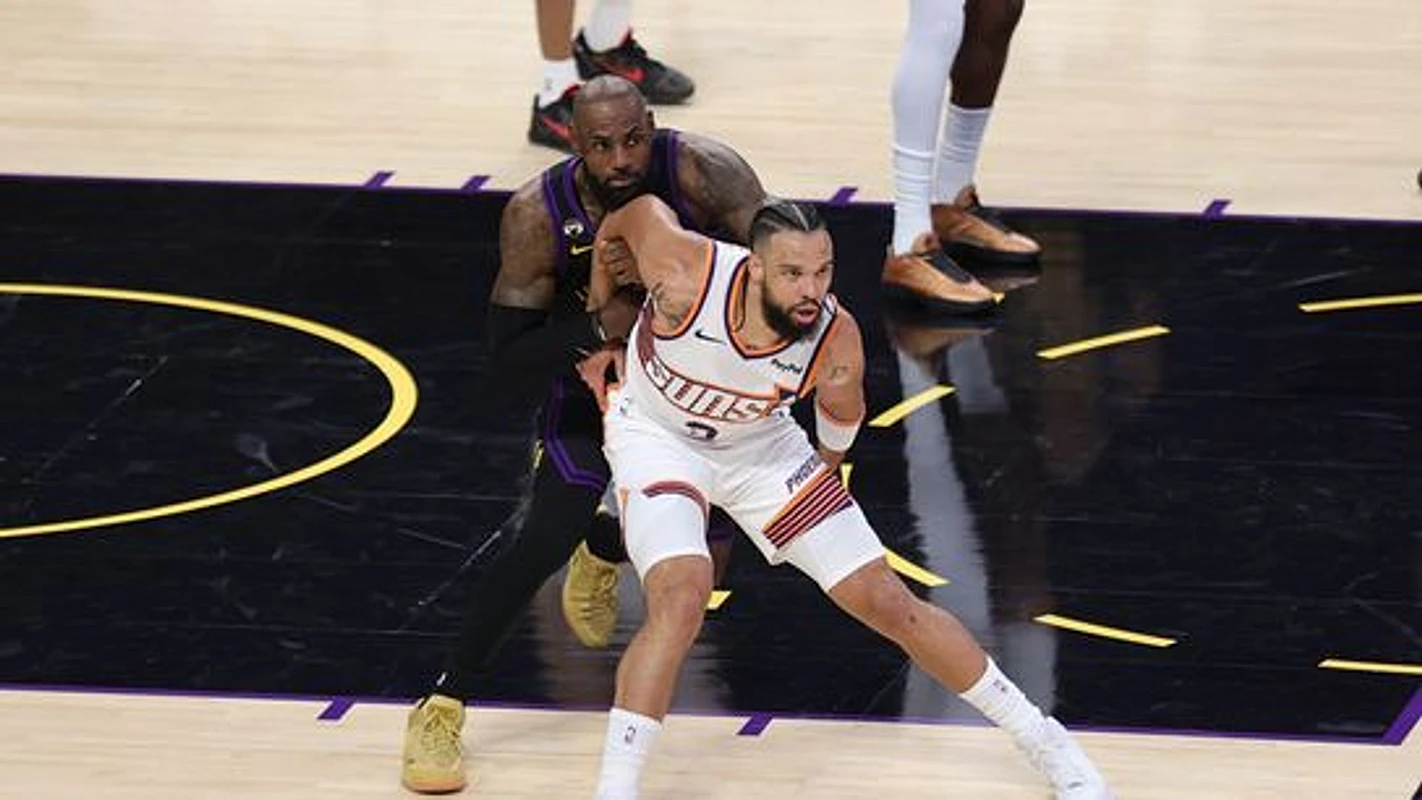
The Lakers' 101-73 win over the Phoenix Suns, a defensive suffocation that held Phoenix to 35 second-half points, nine in the final quarter, a season-low 73, announced itself as both achievement and warning.
Los Angeles clinched home-court advantage in the first round, secured no worse than the fourth seed and completed a back-to-back sweep that seemed impossible when the week began.
And yet questions loom, unanswerable, pressing against the celebration like a hand on a chest:
Is it enough? Can the Lakers survive in the first round of the playoffs?
LeBron James scored 28 points, added 12 assists and six rebounds, and became the fourth player in NBA history to reach 12,000 career regular-season assists.
He did this on the second night of a back-to-back, having scored 54 points in the previous two games, shooting 63.6 percent, performing at an age when most players have long since surrendered to the erosion of time.
"I'm tired as hell now," James said. "Can't wait to get home. Can't wait to get some eat and go straight to sleep."
The Lakers won their 15th game in 19 tries, cinched 52 wins and positioned themselves one game behind Denver with the tiebreaker already secured.
And yet the two players who transformed this team from pretender to contender—Luka Dončić, the scoring sorcerer seeking experimental treatment in Europe for a hamstring that refuses to heal; Austin Reaves, the second option whose oblique strain has silenced his season—remain absent, their return uncertain, their absence a wound that refuses to close.
JJ Redick sat before microphones and acknowledged what achievement cannot erase: the weight and burden of the Lakers tradition––representing a franchise that measures seasons in banners.
"Your goal is to win a championship," Redick said. "When you represent the Lakers and you play for the Lakers and you coach the Lakers, that's their goal every year. That's our fans' goal every year."
But then came the pivot, the recognition that goals must sometimes be reimagined.
"Let's not discredit what this group did for the regular season, regardless of what happens in the playoffs. To get clinch home court and to win 52 games, possibly 53 games and deal with the amount of adversity we had—not just with injuries, but with the loudness that is just going to be out there with our team because it's the Lakers—it's a credit to our players. It's a credit to our staff for just persevering."
Redick chose the word deliberately, capturing the unique pressure of this franchise, the way every injury becomes national news, every loss a referendum, every win merely a postponement of the next crisis.
Redick has coached "a bunch of different ways this year," adjusted to absences that would have broken lesser teams, watched players "make sacrifices" in contract years, subsuming individual ambition for collective survival.
And now the question that will define their postseason: Will Dončić and Reaves return?