This year marks a major milestone for Preakness Hills Country Club in Wayne, New Jersey, as it celebrates its 100th anniversary. But the story of this historic golf course is deeply intertwined with one of horse racing's most famous events—the Preakness Stakes—and it all starts right here in the Garden State.
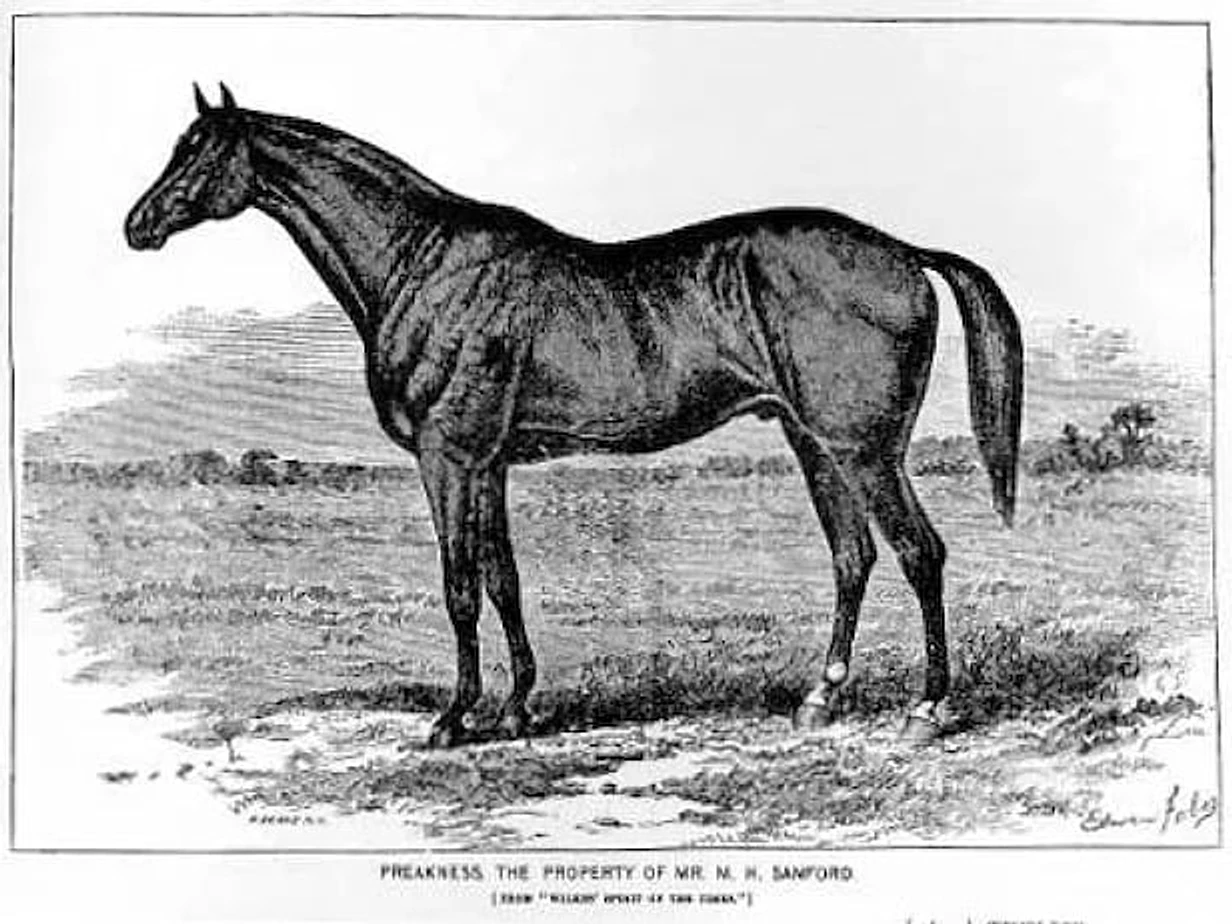
As the 151st running of the Preakness Stakes takes place this Saturday at Laurel Park in Maryland, it's the perfect time to look back at how a New Jersey golf club became a living part of that legacy. The club opened in 1926, more than five decades after the first Preakness Stakes was run. The race was named by former Maryland Governor Oden Bowie in honor of a colt named Preakness, owned by Milton Holbrook Sanford, a businessman and thoroughbred racehorse breeder.
Sanford established his breeding operation, called the Preakness Stud, on farmlands in the Preakness section of Wayne. It was here that the legendary colt Preakness was born. In 1870, Preakness shocked the racing world by winning the inaugural Dixie Stakes (then called the Dinner Party Stakes) on opening day at Pimlico Race Course in Baltimore, defeating the heavily favored colt Foster. Normally held at Pimlico, this year's Preakness Stakes moves to Laurel Park due to ongoing reconstruction at Pimlico.
But the name "Preakness" goes back even further. The neighborhood itself takes its name from the Native American Minisi term "Pre-qua-les," meaning "quail woods." That name was recorded as early as 1776-1777, when George Washington referred to the area as "Preckiness" during his winter encampments in Morris County. So from Native American roots to George Washington's writings, to a champion colt and a legendary horse race—and finally to a century-old golf club—the name has traveled through history.
To honor its centennial, Preakness Hills Country Club has introduced a special secondary logo featuring a jockey on a racehorse, paying tribute to the deep connection between the club and the storied race that shares its name. It's a fitting nod to a legacy that started long before the first tee was ever planted.