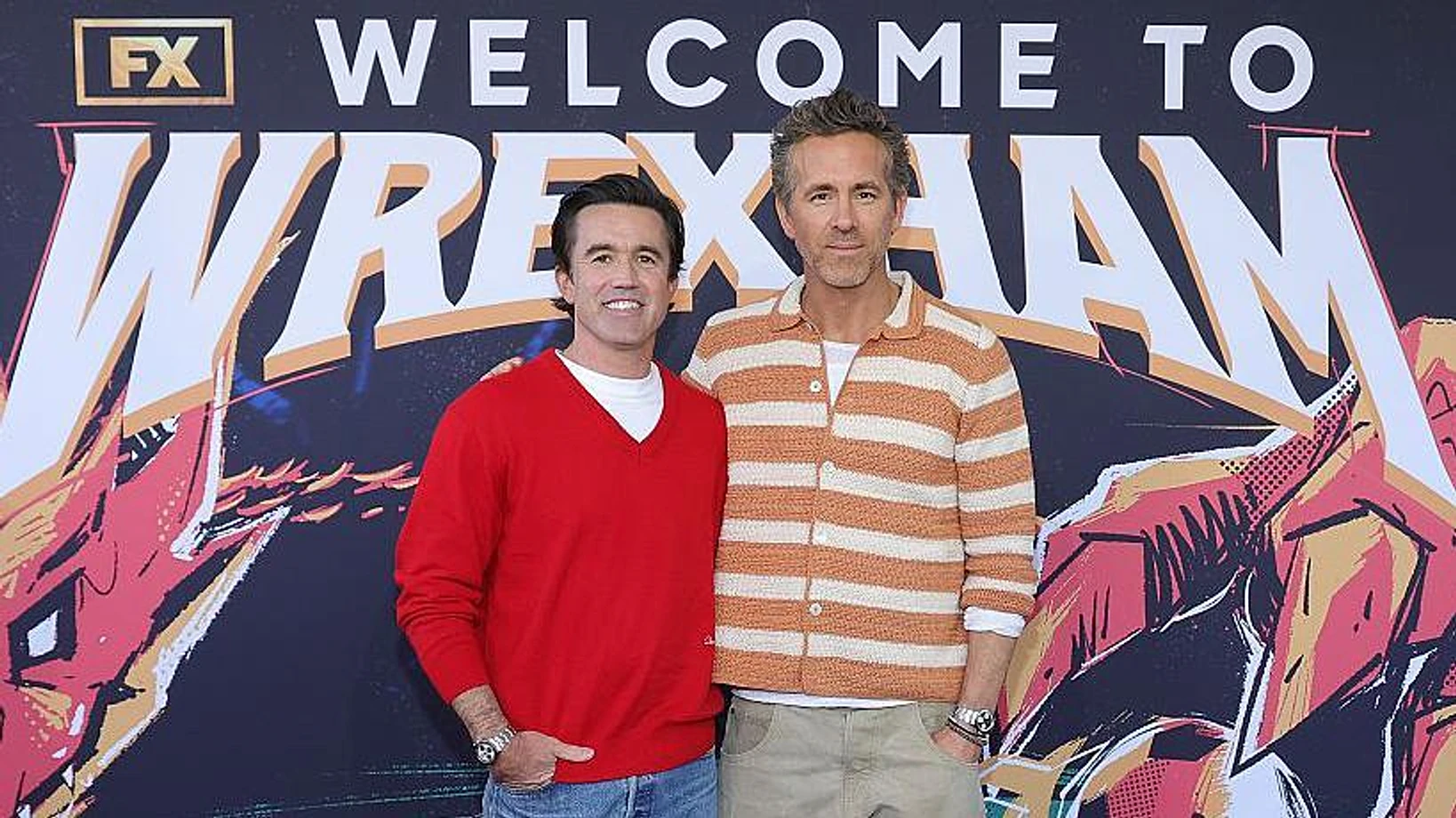
When Hollywood stars buy a football club, you expect headlines. What you don't expect is a documentary that turns a small Welsh town into a global sensation. Yet that's exactly what Welcome to Wrexham has achieved, and with Season 5 premiering on May 15th (Disney+ in the UK, FX and Hulu in the US), the story is far from over.
On paper, this series shouldn't work. A documentary about a lower-league club in north Wales—miles from the Premier League's glitz—seems like a niche pitch. But somehow, it's become one of the most compelling sports stories of recent years. Why? Because it's not really about football. It's about community, resilience, and the beautiful unpredictability of the game.
When Ryan Reynolds and Rob McElhenney took over Wrexham AFC, the cameras were almost inevitable. Both men are storytellers at heart—Reynolds with his legendary marketing instincts, McElhenney with his confessed obsession with Netflix's Sunderland 'Til I Die. But they knew the real magic wouldn't come from Hollywood. "We always hoped telling an authentic story would resonate," says Humphrey Ker, executive producer and club director. "But none of us expected this level of interest."
The secret? Authenticity. While Reynolds and McElhenney drew the initial crowd, it's the local characters who keep viewers hooked. People like Wayne Jones, the Turf pub landlord; Kerry Evans, the club's disability liaison officer; and manager Phil Parkinson are the true stars. The series doesn't polish reality—it embraces the chaos of football and the raw, lived experiences of those who breathe it.
This season promises more of that raw emotion. BBC Sport got an exclusive early look at the first two episodes (spoiler alert: they're worth the wait), and the tension is already building. The club's journey from the National League to League One has been a rollercoaster, and the documentary captures every twist, every heartbreak, and every triumph.
For fans of the game—or anyone who loves a good underdog story—Welcome to Wrexham is more than entertainment. It's a reminder that football's soul isn't in the big stadiums or the superstar salaries. It's in the pubs, the terraces, and the unwavering hope of a community that refuses to give up. And that's a story worth wearing on your sleeve.