The heart of college football has always been its regular season, where every single game carries championship weight. Unlike other major sports, a single loss can derail a title dream, making each Saturday a high-stakes battle. That relentless urgency is what sets the sport apart and fuels its passionate fanbase.
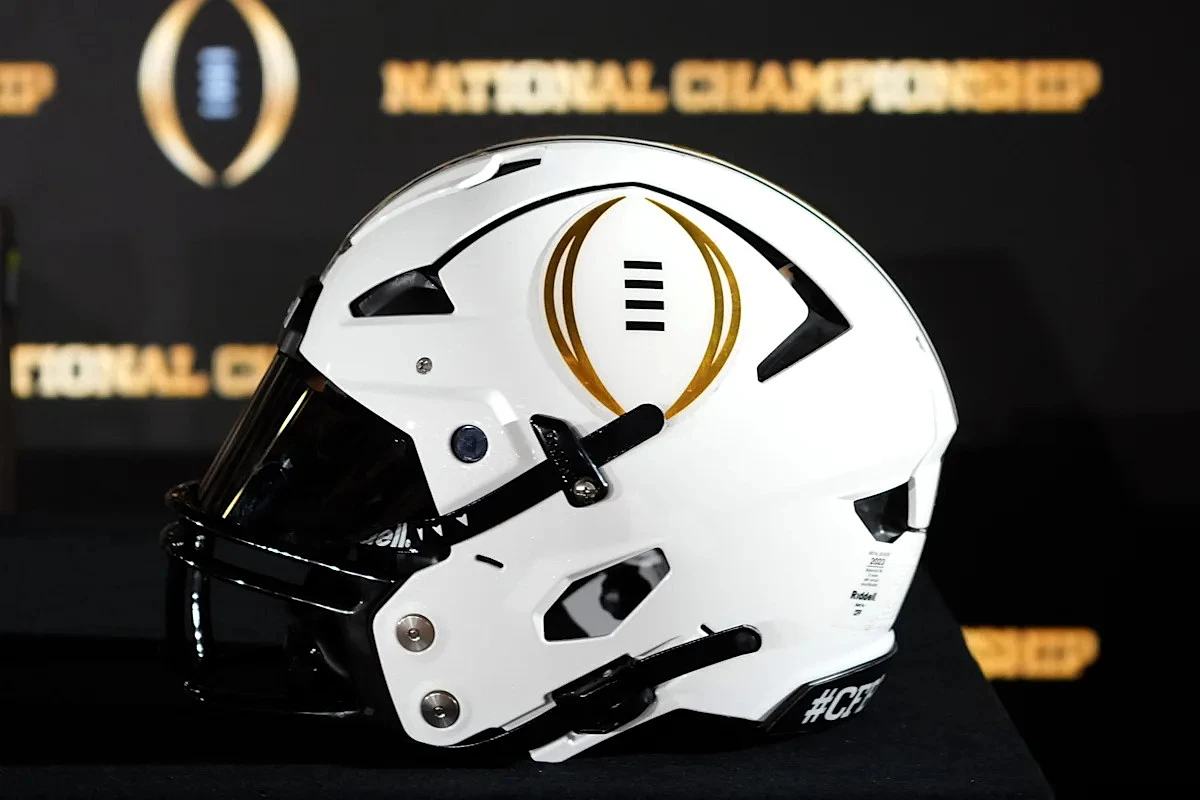
Now, as the College Football Playoff prepares for its historic expansion to 12 teams this fall, a crucial debate is emerging: is this the right stopping point? Texas A&M head coach Mike Elko is among those urging caution against pushing for further expansion, warning that adding more teams could dangerously dilute the regular season's significance.
"The importance of the regular season is still very much in line with what I believe it has always been," Elko stated in a recent interview. "Could that still be the case with a larger number? Potentially. But I think we need to create some data points to figure out where that balance is. We don’t need to be NCAA basketball."
Elko's reference to college basketball highlights a key concern. The NCAA Tournament is already considering its own expansion, a move many feel would make the months-long regular season less consequential. The fear is that football could follow a similar path, where only the postseason truly matters, and the weekly drama that defines the autumn Saturdays loses its edge.
The new 12-team model already represents a seismic shift, guaranteeing bids to Power Four conference champions and the top Group of Six champion. It's designed to include more teams while preserving the value of every regular-season contest. For coaches, players, and fans who live for those season-defining moments in November, protecting that intensity is paramount. As the sport evolves, finding the balance between inclusion and integrity remains the ultimate challenge.