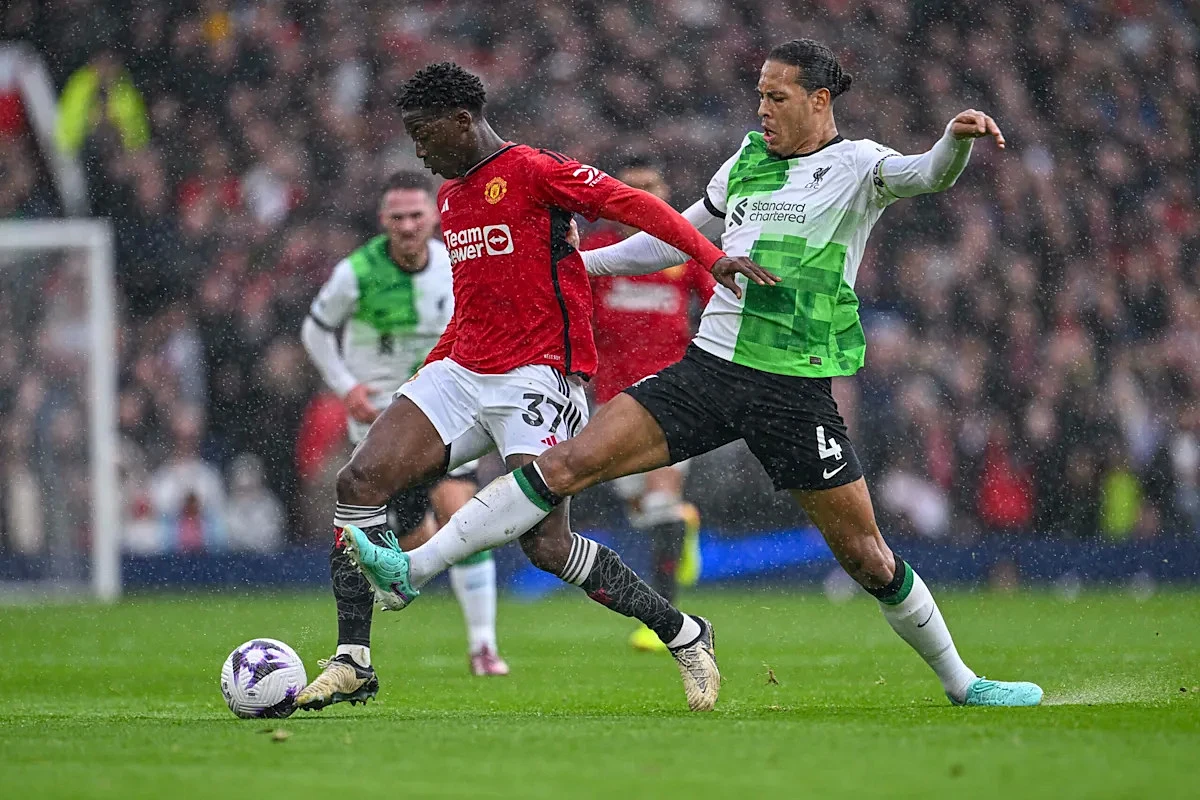
Manchester United's season has been a story of progress under pressure, with every step forward measured against the weight of expectation. After a rocky start that left many questioning their direction, the Red Devils have steadied the ship, climbing the table and showing flashes of the identity they've been searching for. But for all the improvement, one nagging issue remains: finishing chances.
In the unforgiving world of the Premier League, efficiency in front of goal separates contenders from pretenders. And while United's build-up play has grown sharper and their defensive organization more disciplined, the final third continues to be a source of frustration. As one top-flight manager recently noted, United now enjoy the "advantage of only playing once a week"—a luxury that allows for focused preparation and recovery. But even with that edge, the same observer pointed out that the team "haven't converted chances very well this season."
That blunt assessment cuts to the heart of United's dilemma. They're no longer a side drifting between identities; there's a clear tactical blueprint and a squad that, on paper, boasts formidable attacking talent. Yet in key moments—when control is established and the game should be put to bed—the clinical edge has been missing. Missed opportunities in pivotal fixtures have turned potential victories into anxious affairs, and the data doesn't lie: efficiency in front of goal simply hasn't matched the ambition of the project.
This isn't a problem unique to Old Trafford, but it's particularly glaring given the resources at their disposal. As the season wears on and the race for Champions League places intensifies, the margin for error shrinks. For United, the path forward is clear: sharpen the execution in decisive moments, or watch as the progress they've made is undermined by the same old story. In a league where every point matters, converting chances isn't just a talking point—it's the difference between promise and achievement.