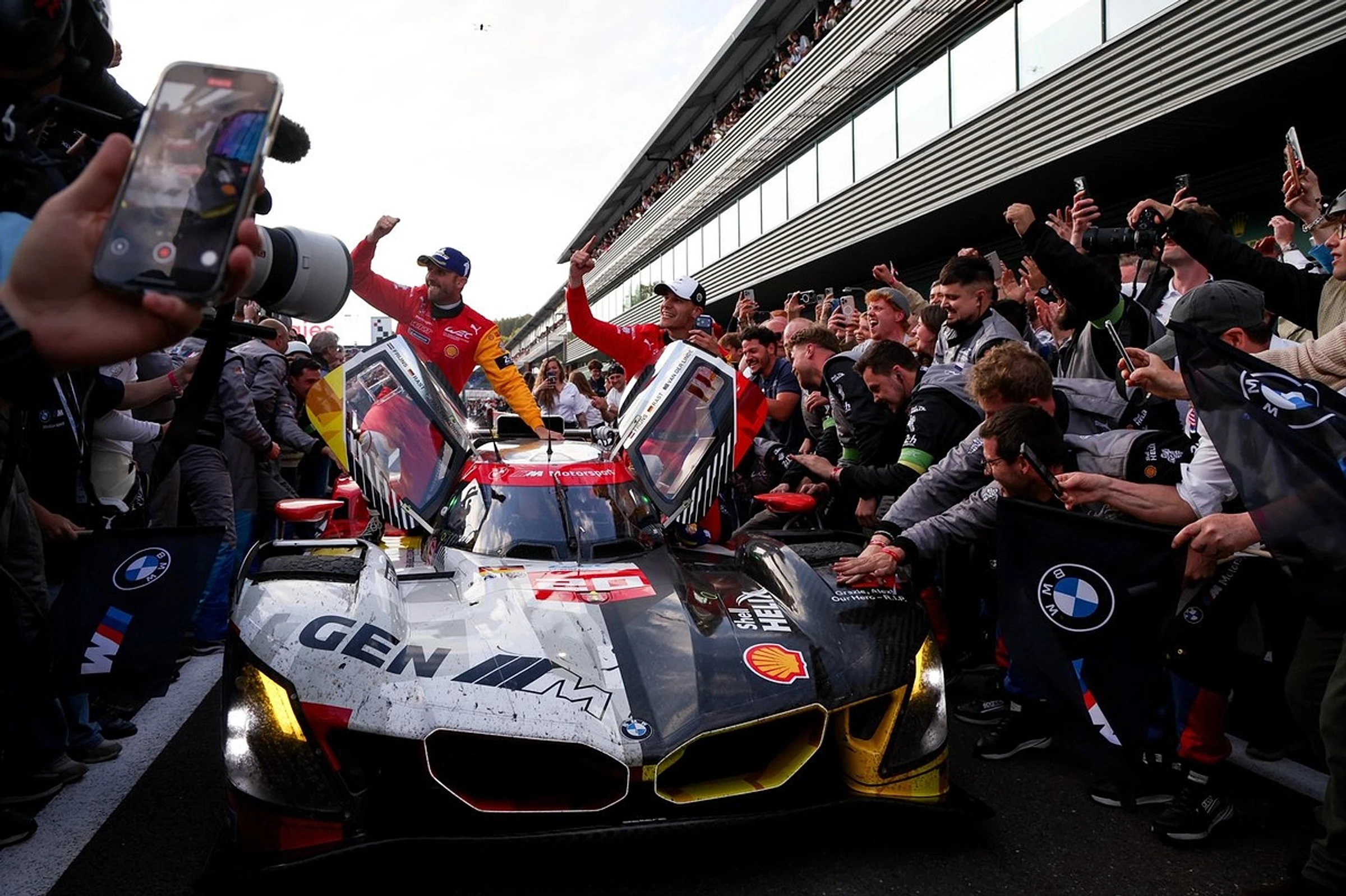
In a race that BMW simply "had to win," Robin Frijns and his teammates delivered a masterclass in strategy and execution at Spa-Francorchamps, securing the German manufacturer's first-ever Hypercar victory in the FIA World Endurance Championship. After 18 races in the top class, the relief was palpable.
The win didn't come from raw qualifying speed—BMW started from 10th and 11th on the grid. Instead, it was a bold strategic gamble that turned the tide. During the first pitstop, the #20 M Hybrid V8, shared by Frijns, Rene Rast, and Sheldon van der Linde, took on significantly less fuel than rivals. That shorter stop vaulted them into the lead, and once in clean air, the car's true pace emerged.
"Once Sheldon got in the car, it worked really well in clean air. He was putting in fast laps lap after lap," Frijns explained. "That's when we knew this was the race we had to win—or could win. So we absolutely couldn't make any mistakes."
The final two hours were anything but routine. A chaotic stretch featuring incidents and safety cars tested the team's nerves, but defensive driving from Kevin Magnussen in the sister #15 car helped protect the lead. When the checkered flag fell, BMW had not only its first Hypercar win but a dominant 1-2 finish—a stunning turnaround from a disappointing qualifying session.
For Frijns, the victory was more relief than celebration. "There was definitely some pressure on us and on the team," he admitted. "We've been here for three years and hadn't won a race yet, but now we've finally changed that."
The dramatic improvement from qualifying to race pace wasn't luck. Frijns credited BMW's relentless development work on the updated LMDh package, which paid off when it mattered most. For fans and gear enthusiasts alike, this win proves that in endurance racing, strategy and perseverance can outshine raw speed—and that BMW's Hypercar program has finally arrived.