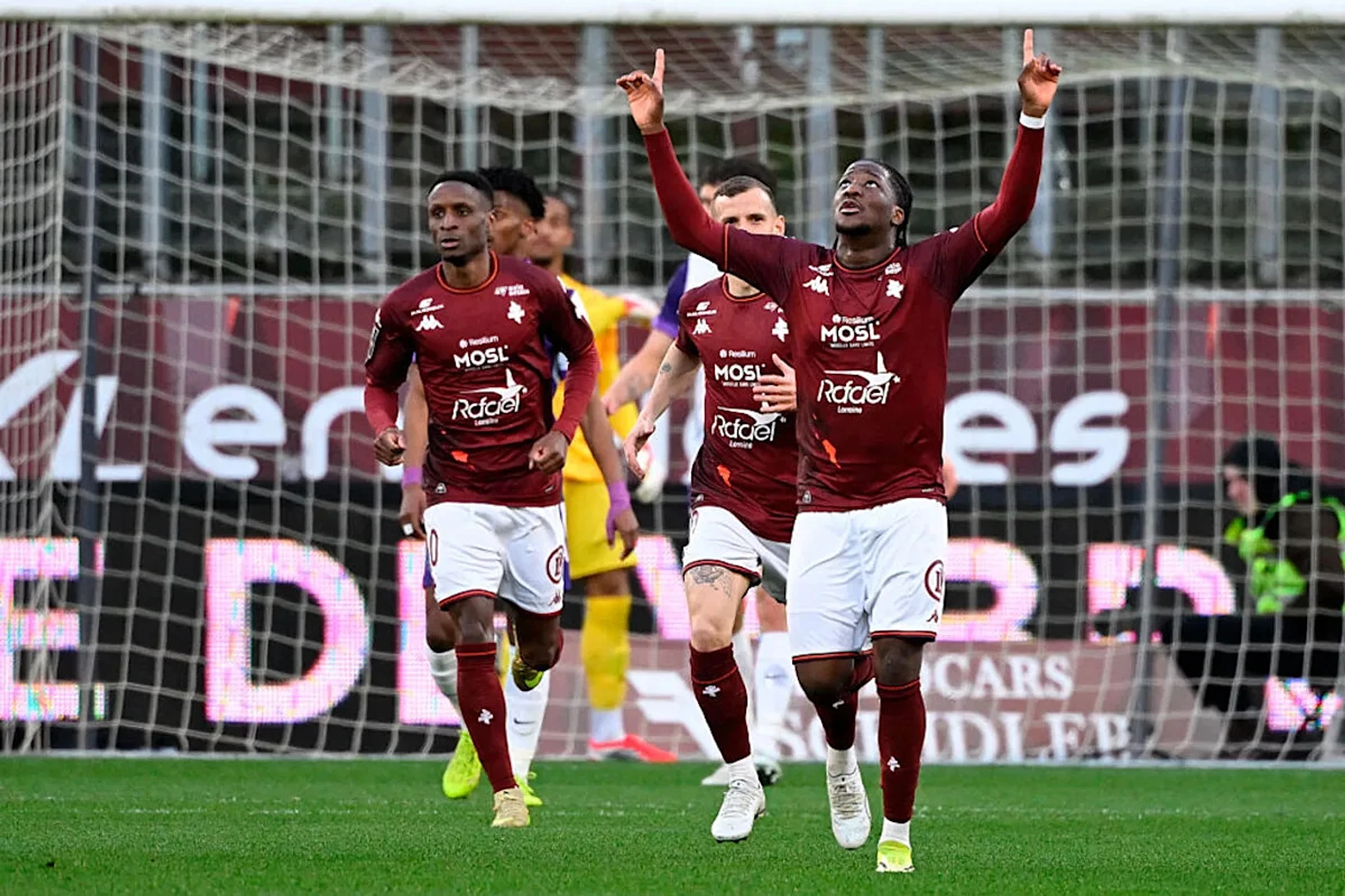
As the Ligue 1 season winds down, one outcome is already certain: FC Metz is heading back to Ligue 2. With just one match remaining, Benoît Tavenot's squad has managed only 16 points from 33 games, securing just three wins while suffering 23 defeats. For most clubs, relegation would spark a crisis. For Metz, it's become almost routine.
Since the turn of the century, the French club has experienced an astonishing 17 promotions and relegations, earning them the infamous "yo-yo club" label across Europe. This instability is particularly striking given their storied past. In the late 1990s, Metz regularly competed in European competitions, famously knocking Sporting out of the UEFA Cup during the 1996/97 season. Yet despite these bright moments, they've never managed to cement a permanent place in the top flight.
Former sporting director Carlos Freitas, who guided Metz to promotion in 2015/16, points to a deeper issue. "When Metz go down, they still have the financial conditions to be very competitive in Ligue 2, which usually allows them to bounce straight back," Freitas explains. "But in Ligue 1, they need another level in terms of ambition, recruitment and investment." He believes the club's structure is solid, but lacks the drive to consistently challenge stronger Ligue 1 sides.
Freitas's own tenure followed a familiar script: a brilliant start in Ligue 2, a tough winter that nearly derailed their promotion hopes, and a dramatic final-day triumph to secure a return to the top division. That cycle has repeated itself more than a dozen times over the past two decades.
Despite their on-field struggles, Metz continues to excel in one crucial area: talent development. Their partnership with Génération Foot in Senegal has become one of European football's most successful youth systems, producing stars like Sadio Mané and Kalidou Koulibaly. It's a testament to the club's resilience—even as they bounce between divisions, their ability to nurture world-class talent remains unwavering.