The Baltimore Ravens' offensive line has undergone a dramatic transformation from the unit we saw last season—and honestly, that's a very good thing. Swapping out Daniel Faalele and Andrew Vorhees for John Simpson and Olaivavega Ioane feels less like a minor adjustment and more like a bold statement of intent. The Ravens have gotten tougher, more athletic, and have finally stabilized their offensive front. Well, mostly stabilized.
The guard position, once viewed as a glaring weakness, now looks like one of the best interior combinations in football. Vega Ioane is a legitimate stud, and during free agency, the team reunited with John Simpson, who's a clear upgrade over both Faalele and Vorhees. But there's still one obvious question hanging over everything: Who replaces Tyler Linderbaum?
The 2026 NFL Draft came and went, and many assumed Baltimore would address the center position during the selection meeting. They didn't. There are arguments that the board simply fell differently, and discussions suggest they had opportunities. Either way, what's done is done. That decision sparked immediate conversation because while the Ravens upgraded elsewhere, they also lost the anchor of their offensive line. Linderbaum wasn't just another starter—he was the communicator, the tone-setter, and the stabilizing force in the middle.
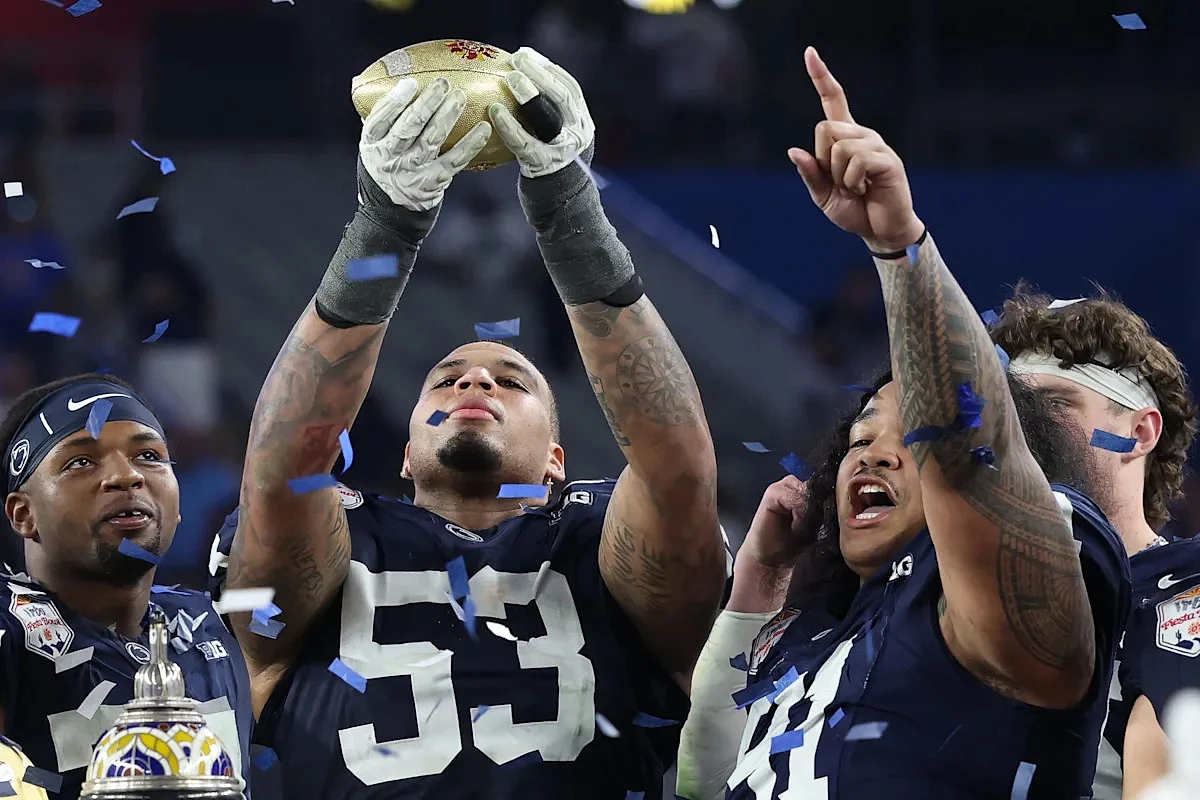
The Ravens' center competition currently includes Corey Bullock, Jovaughn Gwyn, Danny Pinter, and perhaps most intriguingly, undrafted rookie Nick Dawkins. At first glance, it feels like ignoring the center position in the draft opens the door for Bullock and Gwyn. Dawkins looks like the long shot, but that perception may be misleading. He arrives from the Penn State Nittany Lions carrying something none of the other candidates can claim: built-in chemistry with Ioane. And that matters more than most people realize.
Offensive line play depends heavily on trust, communication, and continuity. Dawkins and Ioane already understand each other's tendencies, timing, and movement patterns because they've played together before. That removes a significant part of the learning curve immediately. In a league where chemistry can make or break an offensive line, that shared history might just give Dawkins the edge over more experienced competition.