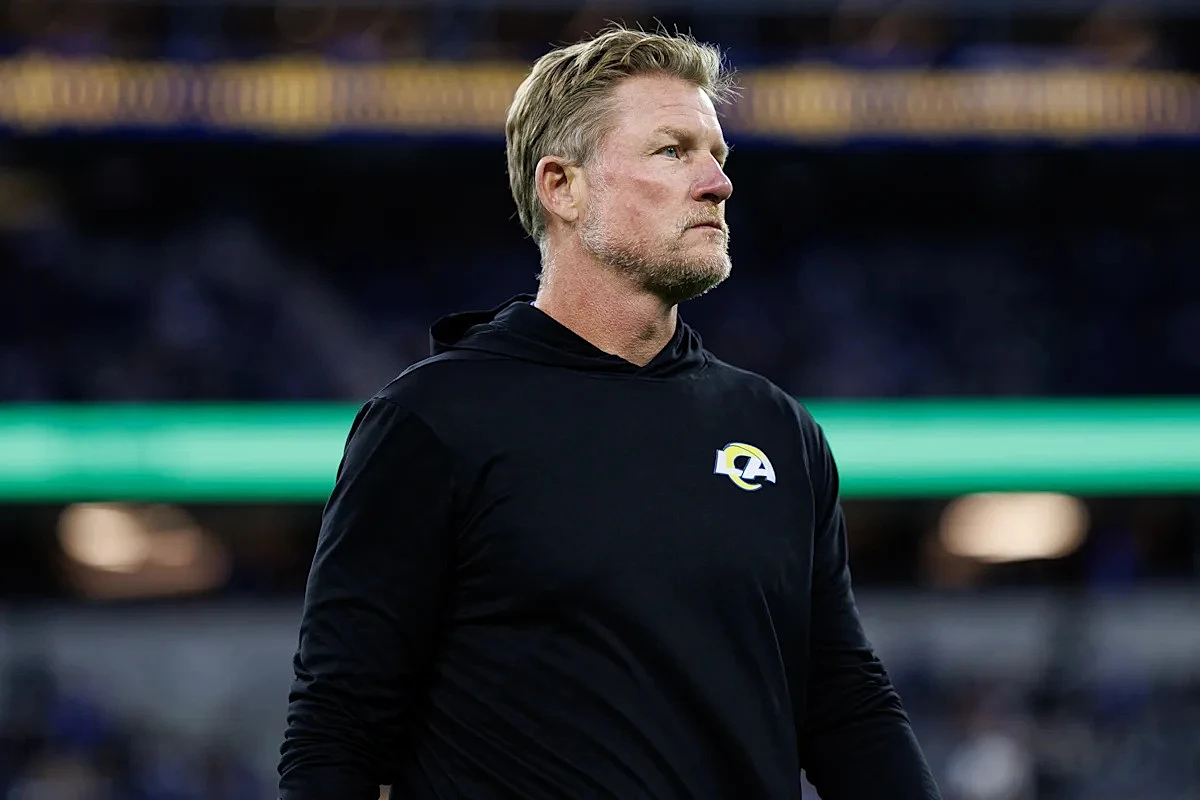
If the Los Angeles Rams are banking on trading down from the 13th overall pick to recoup valuable selections on Day 3 of the draft, they might need more than just a good strategy—they'll need some serious luck. In the high-stakes chess game of the NFL Draft, executing a trade is never as simple as just wanting one. It requires a complex alignment of available prospects, draft capital, and willing partners, all while navigating the intricate relationships between general managers.
The historical data underscores just how difficult this maneuver is. Over the last five years, only eight draft-day trades have occurred in the middle of the first round (picks 10-19). Even more telling, only two of those have happened in the last two years, both orchestrated by a general manager who is no longer with his team. For a franchise like the Rams, who are already considered strong contenders, finding a partner willing to help them stockpile more assets is an added challenge. Other teams aren't typically in the business of strengthening a roster that many already see as a Super Bowl favorite.
The core issue extends beyond simple desire. General Manager Les Snead must identify a team drafting later that is desperate to secure a specific prospect—a task made tougher in a draft class perceived to lack elite, franchise-altering talent at key positions like quarterback. That team must also possess the exact draft picks the Rams covet and be willing to part with them. It's a narrow path to a deal, which is why these mid-first-round swaps remain a relative rarity.
While fans might dream of a fantasy haul of picks in return for moving back, the reality is often quieter. Last year's draft serves as a cautionary tale; after a early flurry of activity, the trade phones famously went silent. For the Rams, the most prudent approach may be to prepare to stand pat and select a impactful player at 13, rather than counting on a trade scenario that history suggests is a long shot.