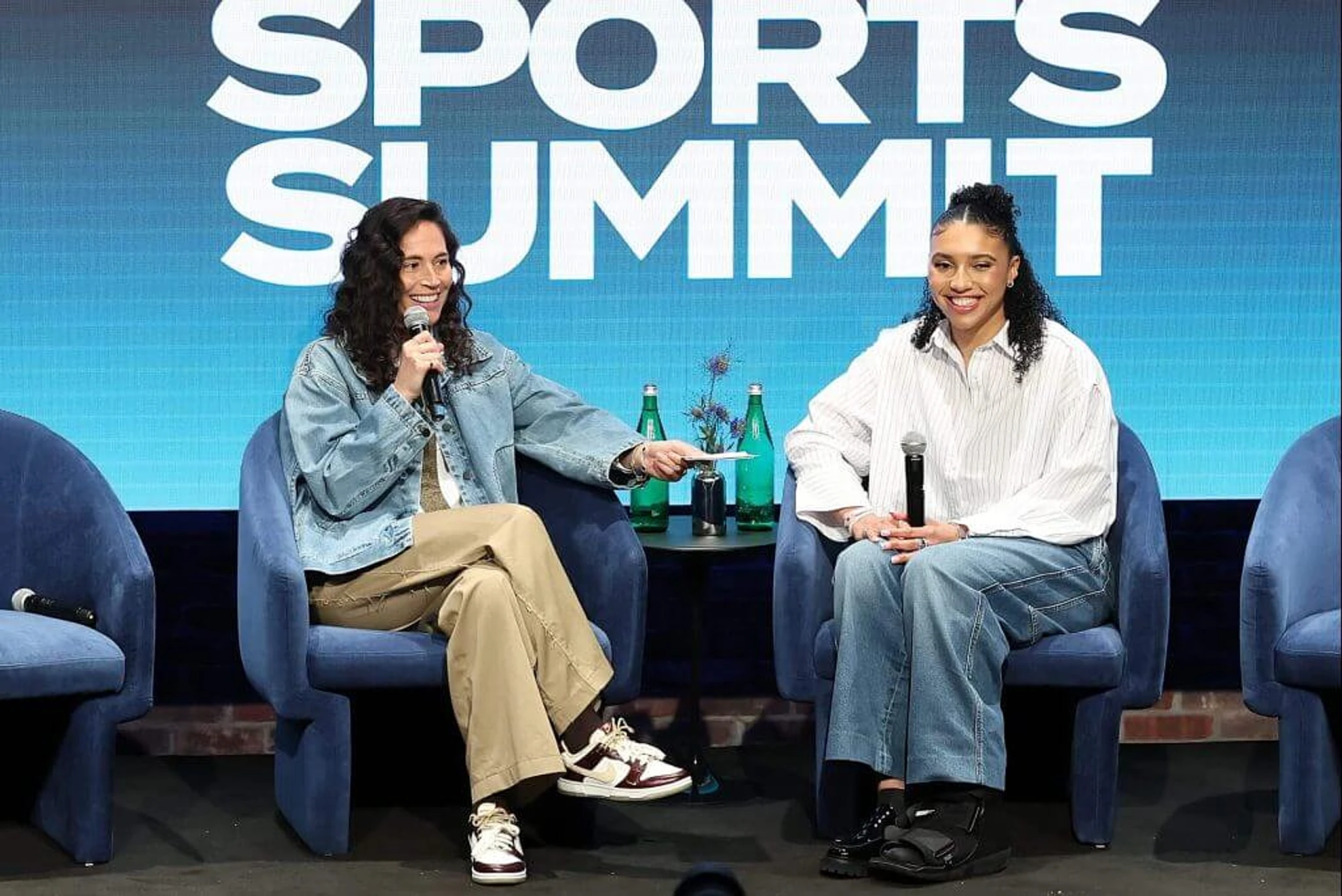
Imagine being a fifth-grader dreaming of a career that didn't even exist. That was Sue Bird's reality, listing "professional soccer player" as a future goal at a time when the WNBA was still just a concept. Back then, the major U.S. sports landscape—NBA, NFL, MLB, NHL—was exclusively male. Yet Bird's childhood vision foreshadowed a seismic shift, one that today's athletes are inheriting in full bloom.
Bird's journey from that classroom to the Naismith Hall of Fame encapsulates the WNBA's evolution. "What a wild journey over 30 years," she reflected, "to go from no league at all to a league of our own." Her pivotal moment came in 1996, watching the U.S. Olympic women's basketball team—future WNBA pioneers—in Philadelphia. That "see it, be it" experience ignited her path, one she would later widen for generations.
As the 2026 draft class prepares to enter the league, they step onto a stage built by legends like Bird. Her rookie salary in 2002 was under $60,000, with benefits like 401K matching just emerging. For years, players relied on overseas play to supplement income, enduring year-round schedules. Today's prospects inherit a transformed landscape: soaring salaries, charter flights, and unprecedented media deals.
This new era isn't just about better conditions—it's about legacy. Bird, now a Seattle Storm owner, represents the bridge from scrappy beginnings to mainstream prominence. The 2026 draftees will carry forward a league where visibility and viability are no longer questions, but foundations. They'll play in jerseys that symbolize progress, for fans who expect excellence.
The WNBA's growth story is a testament to resilience. From Bird's fifth-grade dream to today's global platform, each generation has lifted the next. As the next wave of talent arrives, they'll write new chapters in a league that has finally arrived—fueled by those who imagined it first.