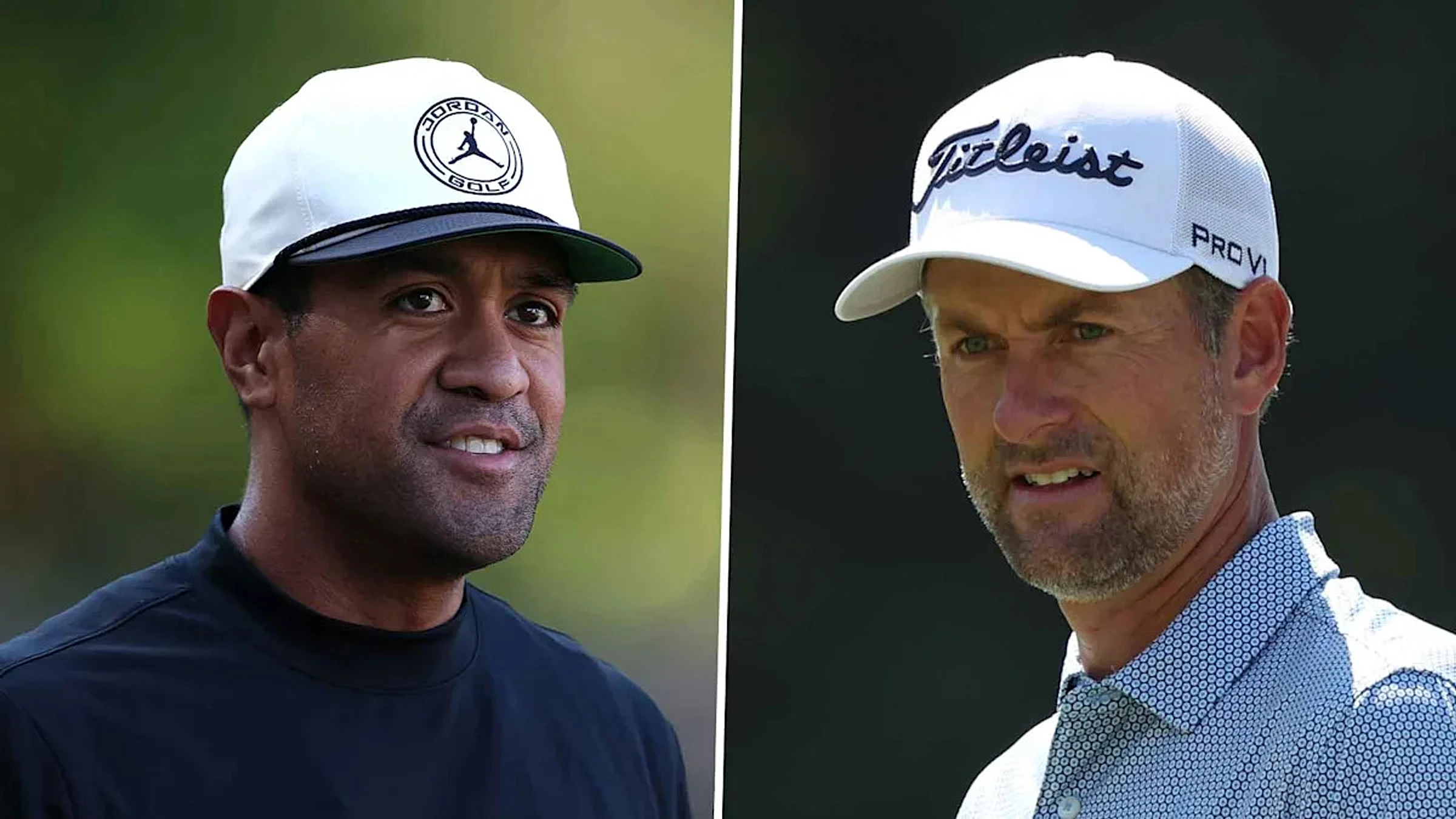
The PGA Tour's "Signature Event Era" is reshaping professional golf as we know it. Think of sponsor invites as the golden tickets of the tour—four lucky players get handed a coveted spot in each of these elite, limited-field tournaments. But these invites? They're stirring up some serious debate.
We're talking about events with no cuts, $20 million purses, and fields packed with the sport's biggest names. Designed to keep superstars like Scottie Scheffler and Xander Schauffele loyal while fending off the LIV Golf threat, these tournaments were supposed to clarify the Tour's product. Instead, they've exposed a tension between protecting the elite and nurturing the up-and-comers.
Here's the rub: sponsor exemptions are meant to boost field strength and sell tickets by inviting fan favorites or past champions who didn't qualify on merit. But during a time when the PGA Tour is touting itself as the most meritocratic tour in golf, handing out spots as "interest boosts" feels anything but fair. It's a move that's left the midfield feeling neglected and the critics sharpening their pens.
So, how have these exemptions performed? Tournament directors and sponsors put real thought into their picks—sometimes honoring a past winner, sometimes betting on a rising star. But the results have been mixed, sparking conversations about what truly makes professional golf compelling. As the Tour evolves, these golden tickets remain a flashpoint, reminding us that even in a sport built on fairness, a little controversy might just be part of the game.