The NFL Draft is evolving, and so are the financial expectations of its top prospects. For the Minnesota Vikings, this shift could pose a challenge they haven't faced in years. Welcome to the new era of fully guaranteed rookie contracts—a growing trend that's reshaping how teams negotiate with their picks.
Over the last few seasons, the Vikings have navigated a tight salary cap. Burdened by $46 million in debt, they made tough cuts to free up space for free agency. But their biggest hurdle? A lack of day two draft picks. In 2022, Minnesota had three picks on the second day. Over the next three drafts under former general manager Kwesi Adofo-Mensah, they managed just two—none in the second round. This scarcity played a key role in his departure.
Now, with the Vikings holding the 51st overall pick in 2025, they're stepping into unfamiliar territory. The second round has become a hotbed for fully guaranteed contracts. Last year, every pick in the top 40 received one, and the trend is accelerating. Take T.J. Sanders of the Buffalo Bills, selected 41st overall: while not fully guaranteed, his deal included $10.07 million of $10.64 million—nearly 95%. That's the new baseline.
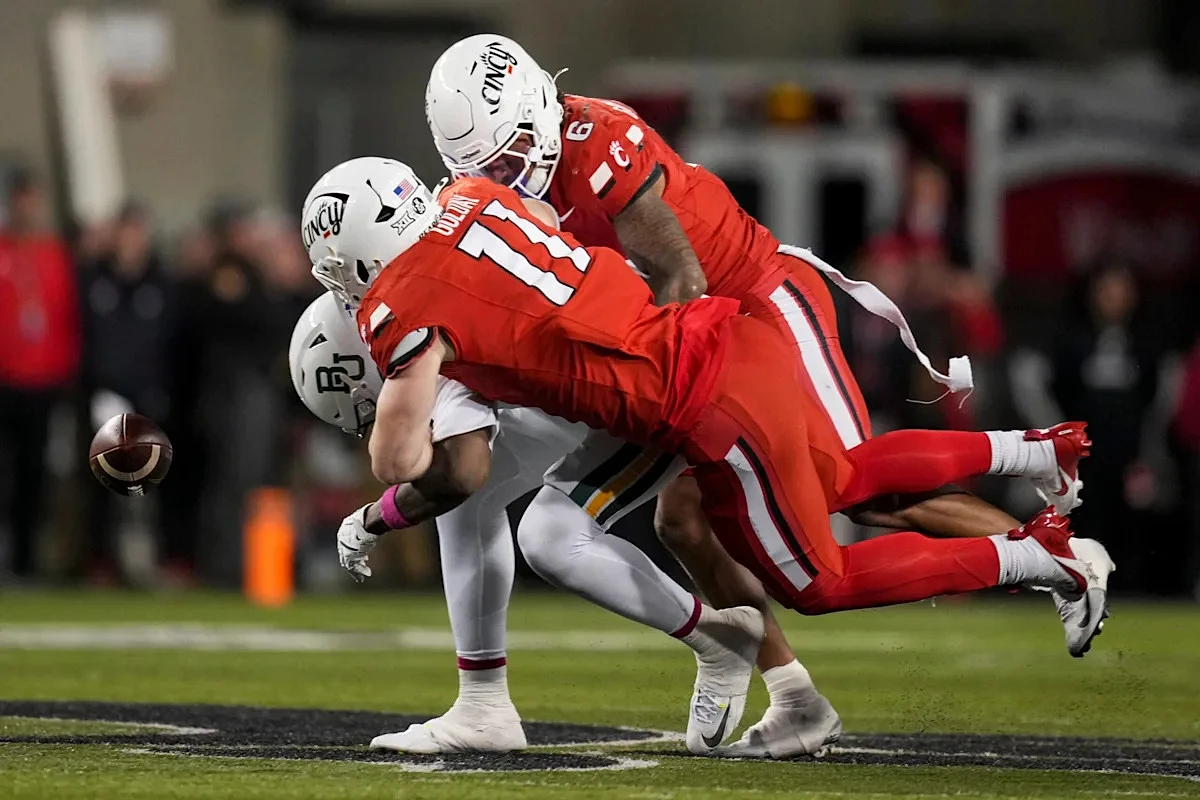
Enter the Vikings' newest addition: Cincinnati Bearcats linebacker Jake Golday, picked 51st. His projected contract is a four-year, $9.684 million deal. For context, last year's 51st pick, Nic Scourton of the Carolina Panthers, secured $6.6 million of $8.61 million guaranteed, with only $60k of his fourth year locked in. Golday likely won't land a fully guaranteed deal, but his guaranteed money will probably exceed Scourton's. Still, if enough players drafted ahead of him push for full guarantees, Golday's camp might follow suit—complicating negotiations.
This isn't a one-off. It's a league-wide shift. Until the entire second round is fully guaranteed—and that day may come sooner than later—teams like the Vikings need to be prepared. For a franchise rebuilding its roster and cap strategy, understanding this trend is essential. Whether you're a fan or a front office, one thing's clear: the draft board isn't the only thing changing. The money is, too.