World Athletics president Sebastian Coe has made it clear: innovation in running shoe technology is here to stay. Speaking after Sabastian Sawe's historic sub-two-hour marathon at the London Marathon, Coe emphasized that the sport's governing body won't "strangle innovation" even as so-called 'super shoes' continue to push the boundaries of performance.
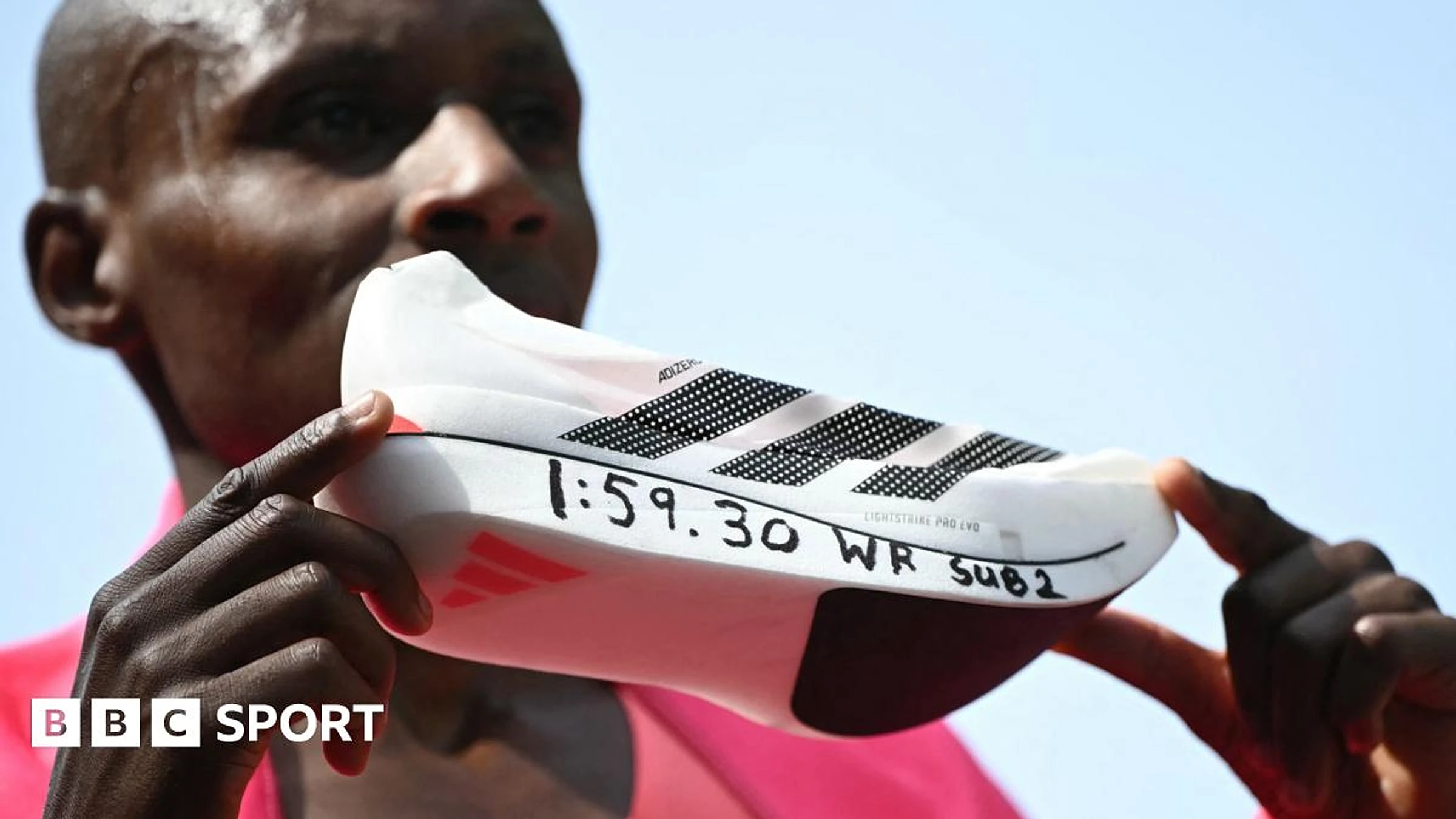
On Sunday, 31-year-old Kenyan Sabastian Sawe etched his name into the record books by becoming the first athlete to complete a competitive marathon in under two hours, crossing the finish line at 1:59:30. The achievement shattered a barrier many once considered impossible, reigniting the global conversation about the role of footwear in elite athletics.
"I don't think any society, any civilisation, any sector of the economy has been served well if you try to strangle innovation," Coe told BBC Sport Africa during a visit to Botswana ahead of the World Relays. "The role of World Athletics is very clear — we want to enable, but we also have a regulatory responsibility. The current rules are on the right side."
The debate centers on the Adidas Adios Pro 3, the shoe worn by Sawe, runner-up Yomif Kejelcha of Ethiopia (who also dipped under two hours at 1:59:40), and women's winner Tigst Assefa, who set a new world record. Weighing under 100 grams, it's the first super shoe to break that barrier, with Adidas claiming a 1.6% improvement in running economy. However, the cutting-edge technology comes at a steep price — roughly $500 (£450) for runners looking to replicate the pros' experience.
Sawe himself praised the shoe's lightweight feel and stability, crediting Adidas for making what he called the best footwear he's ever worn. But Coe was quick to put the innovation in perspective. "Yes, shoes play a part, but not the biggest part," he said. "The biggest part is the mentality of the athlete, the physicality of the athlete, the world-class coaching, the world-class programmes that are now being run through federations to support their athletes. That's all a part of the improved performances."
Indeed, Sawe's personal best in London was more than two minutes faster than his previous mark — an improvement he attributes not just to his shoes, but to grueling training at altitude, covering about 200 kilometers per week. Advances in race-day nutrition also played a role; Sawe reportedly consumed 115 grams of carbohydrates per hour during the race, following a breakfast of just two slices of bread.
For athletes and enthusiasts alike, the message is clear: while super shoes are a game-changer, they're just one piece of a much larger puzzle. As Coe put it, innovation should be embraced — but it's the human spirit, preparation, and dedication that truly drive the sport forward.