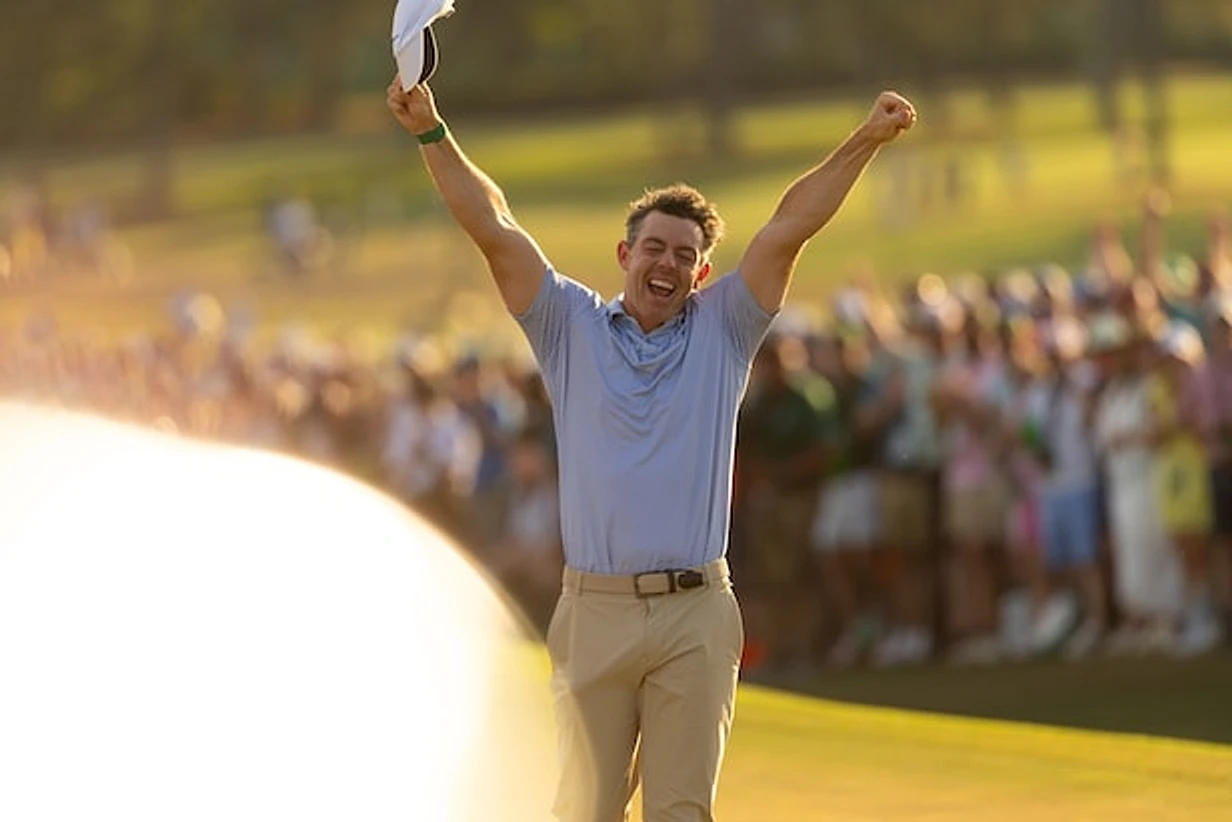
At 36, Rory McIlroy is a different kind of champion. The days of winning majors by eight strokes might be behind him, but in their place is a more resilient, complete player—one built to win them more often. His journey to this point is a masterclass in turning painful near-misses into the foundation for triumph.
Reflecting on McIlroy's career reveals a fascinating evolution. Early on, his talent was breathtaking but raw. I recall watching a 20-year-old Rory at the 2009 PGA Championship, where a sublime drive was quickly undone by a rushed double bogey. Yet, he bounced to the next tee unshaken, promptly reeling off three straight birdies. That blend of nonchalance and brilliance defined his early major wins in 2011 and 2012, which seemed to herald a dominant "Rory Era."
However, golf's toughest tests demanded more. Despite adding two more majors in 2014, the subsequent decade was marked by agonizing close calls—the 2022 Open Championship and the 2024 U.S. Open being prime examples. These weren't just bad breaks; they highlighted a gap. McIlroy had world-beating power, but to consistently conquer majors, he needed the sophisticated, mistake-limiting game of legends like Woods, Nicklaus, and the current benchmark, Scottie Scheffler.
What makes McIlroy's transformation compelling is that he's always been a student of the game. He's spoken eloquently about studying the greats, seeking Nicklaus's counsel, and recently admiring Scheffler's ability to "limit the mistakes." He once told me, "It's just about making the most of playing badly," echoing Jack Nicklaus's famous creed about "playing badly well." For years, that wisdom seemed at odds with his play.
The key has been learning to harness that early, carefree brilliance within a more disciplined framework. It's no longer just about the explosive runs of birdies, but about managing the round, minimizing errors, and surviving the tough stretches that decide majors. This refined approach doesn't sacrifice his signature attacking style; it fortifies it. He's learned to pair his unparalleled driving with the strategic patience required on golf's biggest stages.
As we look ahead to the Masters and beyond, this evolved Rory McIlroy presents a formidable prospect. He's traded some of the youthful exuberance for a champion's poise, transforming the regret of past misses into the blueprint for future victories. For fans and players alike, it's a powerful reminder that in golf, as in any pursuit, growth often comes from learning how to win when you're not at your brilliant best.