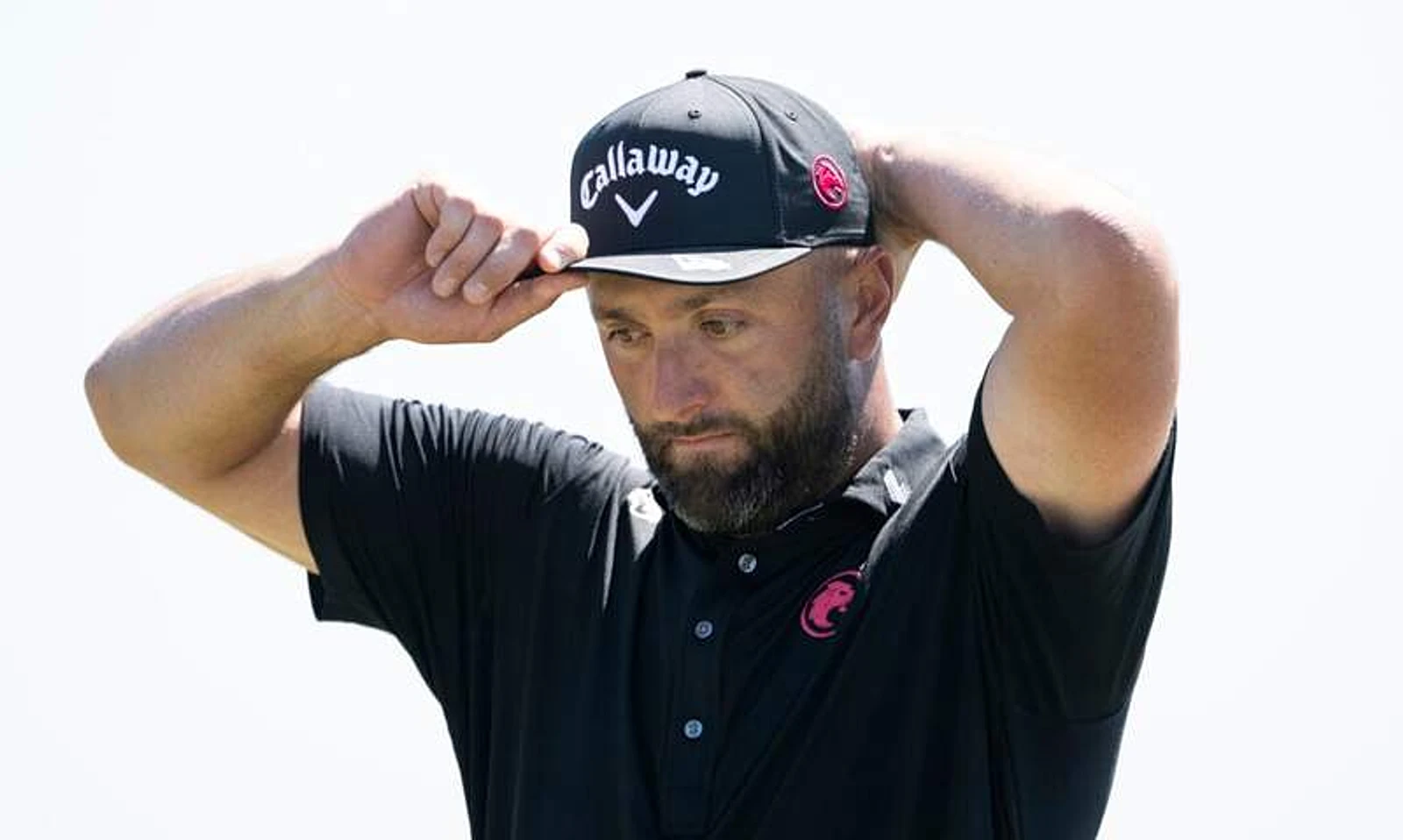
The Masters promised a potential coronation for LIV Golf's brightest stars, but instead delivered a stark reality check. Bryson DeChambeau and Jon Rahm, who had combined for three wins on the breakaway tour this season, were expected to be major contenders at Augusta National. Yet, both endured a weekend to forget, with their performances sparking a deeper conversation about preparation and pressure.
DeChambeau's tournament ended prematurely, as a missed cut highlighted persistent iron play struggles and was punctuated by disastrous bunker shots on the 11th and 18th holes. Defending champion Jon Rahm fared only slightly better; starting the final round at five over par, he could only manage a tie for 38th place. With just one LIV player cracking the top 30, the league's collective showing at the year's first major was undeniably disappointing.
The post-mortem has led analysts to question whether LIV's unique structure is a factor. On the Golf Channel Podcast, Rex Hoggard noted the irony that DeChambeau and Rahm, the circuit's two best performers since its shift to a 72-hole format, failed to deliver on the grandest stage. The 72-hole change was supposed to better simulate major championship conditions and sharpen players for precisely these moments. Hoggard pointed out that he had even picked Rahm as a favorite for that reason, believing the longer format would solve any preparation issues from the old 54-hole events.
Yet, neither superstar "showed up," as Hoggard put it. This has fueled a narrative that LIV players are carrying an invisible burden into majors—a weight of expectation to validate their moves and their tour's competitive legitimacy. While the debate often devolves into a tired PGA Tour vs. LIV Golf feud, the core fact remains: two of the world's most talented golfers, in seemingly good form, were non-factors when it mattered most. For fans of the sport and the players themselves, the search for answers continues as the major season rolls on.