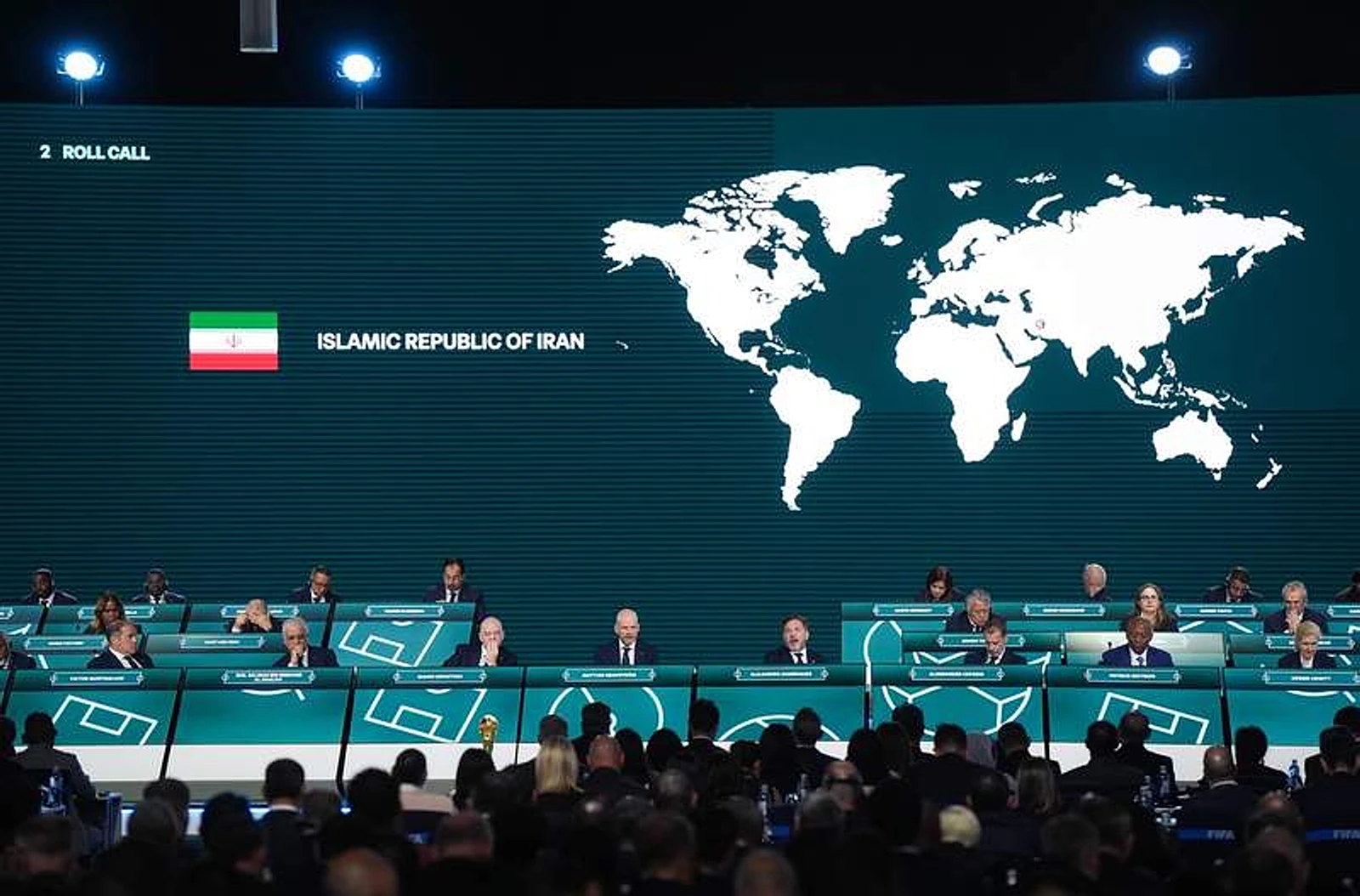
The Iranian Football Federation (FFIRI) has launched a sharp critique of world football governing body FIFA, signaling it may impose conditions on the national team's participation in the 2026 World Cup, which will be co-hosted by the United States, Canada, and Mexico this June and July.
In a statement that has sent ripples through the international sports community, FFIRI President Mehdi Taj expressed deep frustration with FIFA's handling of political tensions surrounding Iran's qualification. "I have never seen FIFA act so weakly," Taj told the Tasnim news agency, accusing the organization of failing to address what he described as "insults and humiliations directed at Iran."
According to Taj, FIFA has allowed itself to be swayed by political pressure rather than taking decisive action. He specifically called on FIFA to prevent U.S. President Donald Trump from interfering in World Cup sporting matters. "Iran qualified on their own merits," Taj asserted. "Trump is not in a position to decide whether we are allowed to participate in the World Cup or not. We do not need permission from Washington."
The FFIRI plans to outline its non-negotiable conditions during an upcoming meeting with FIFA representatives. These demands include a guarantee that no political comments are made against the team or federation during matches, the exclusive use of the official flag of the Islamic Republic of Iran, and comprehensive security assurances for players, coaching staff, and officials. "FIFA must assure us of this, and we will participate only under these conditions," Taj emphasized.
Iran's participation in the tournament has been clouded by uncertainty since the escalation of tensions between Iran, the U.S., and Israel. However, FIFA President Gianni Infantino confirmed on Thursday at the federation's congress that Iran will play their three group-stage games in the U.S. as originally scheduled. Later that day, Trump told reporters, "If Gianni said it, I'm OK. You know what? Let them play."
For now, the football world watches closely as one of Asia's most passionate football nations navigates a delicate path between sport and geopolitics. The outcome could set a significant precedent for how international tournaments handle political pressures in the future.