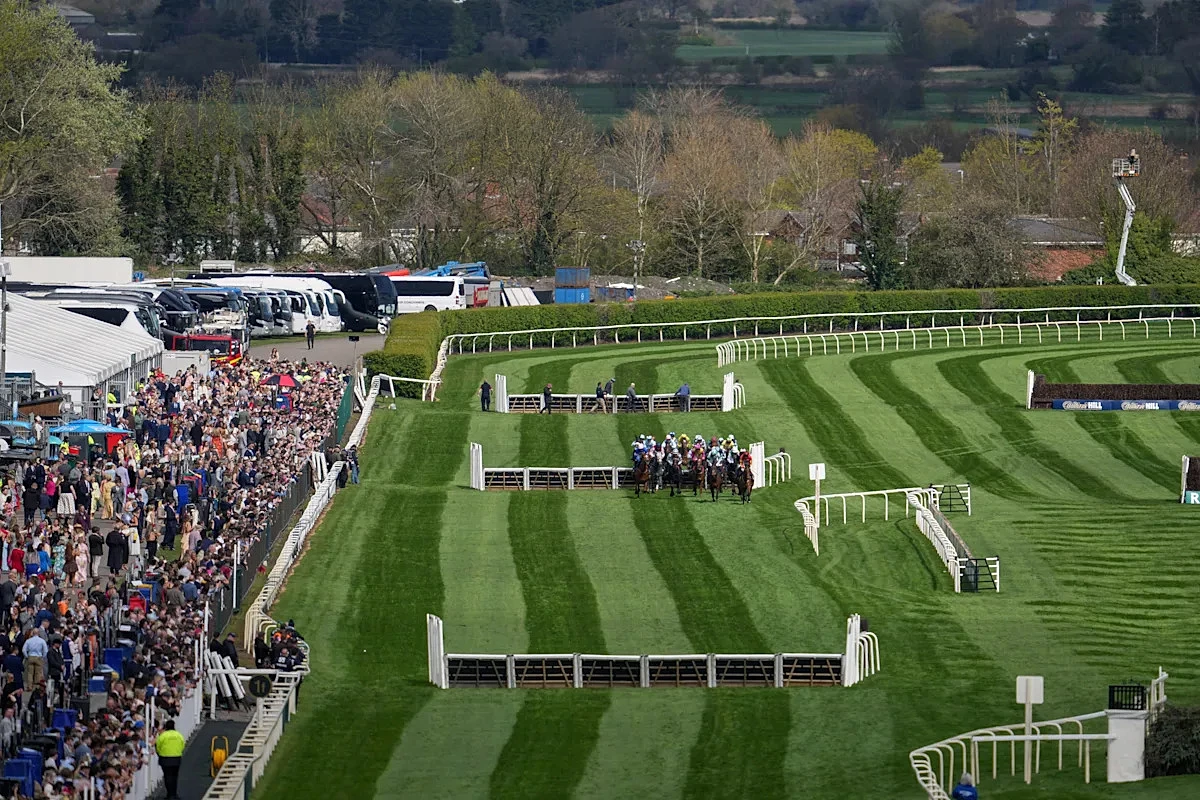
The world of steeplechase racing was struck by a tragic and bittersweet victory at Aintree's Grand National Festival on Friday. Seven-year-old gelding Gold Dancer, competing in the Mildmay Novices’ Chase, suffered a catastrophic injury after clearing the final fence. In a stunning display of heart and determination, the horse continued on, crossing the finish line approximately four lengths ahead of the competition to secure the win.
Immediately after pulling up past the post, jockey Paul Townend dismounted as veterinary teams rushed to attend to the horse. Sadly, it was discovered Gold Dancer had broken his back, and the decision was made to euthanize him on the track. Aintree Racecourse released a statement extending its "heartfelt condolences" to the horse's connections.
This incident casts a somber shadow over one of racing's most iconic festivals and follows a troubling pattern. It comes just weeks after four horses died at the prestigious Cheltenham Festival in March, including one following the Gold Cup race. According to reports, these deaths brought the total number of equine fatalities in British racing this year to 24, reigniting a fierce debate about safety and welfare in the sport.
Critics were swift to respond. Emma Slawinski of the League Against Cruel Sports told GB News, "Year after year we see horses dying at Aintree for people’s entertainment." Meanwhile, the racing community grappled with the complex reality of the sport. Eddie O'Leary, racing manager for Gold Dancer's owners, defended jockey Paul Townend's actions, stating the rider felt nothing amiss until after the race was over.
While two other horses fell safely during the same race, the loss of Gold Dancer is a stark reminder of the immense athleticism and risk inherent in elite equestrian competition. It underscores the ongoing challenge for the industry to balance the thrill of the sport with the paramount duty of care for its equine athletes.