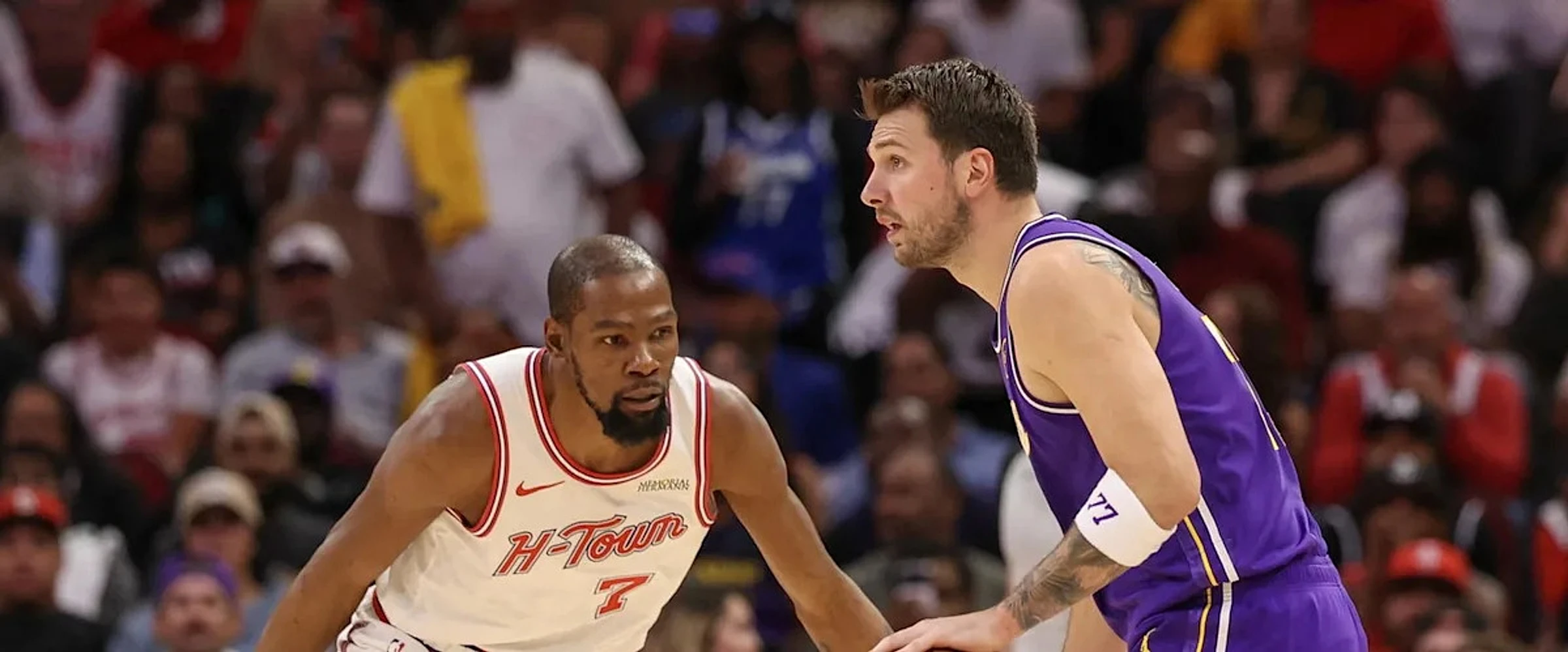
The NBA playoffs are here, and the opening tip-off between the Houston Rockets and Los Angeles Lakers is already defined by who *won't* be on the floor. As the Rockets (52-30) host the Lakers (53-29) this Saturday, the injury report reads more like an All-Star ballot, setting the stage for a Game 1 where adaptability will be the ultimate X-factor.
For the Lakers, the absences are seismic. Losing both Luka Dončić and Austin Reaves in their April 2nd matchup against Oklahoma City stripped the team of its primary offensive engine and a crucial secondary creator. That's over 50 points and the bulk of their playmaking gone overnight, forcing the remaining roster into tighter, more pressurized possessions where every decision carries extra weight.
Houston faces its own superstar void with Kevin Durant sidelined, but their situation paints a different picture. Instead of scrambling to adjust, the Rockets have spent the latter part of the season intentionally building an offense that doesn't hinge on one singular path. By emphasizing ball movement, pace, and empowering multiple creators like Amen Thompson and Reed Sheppard, they've developed a system designed to withstand exactly this kind of adversity.
This contrast turns Game 1 from a simple star-powered showdown into a fascinating test of systemic resilience. One team must adjust on the fly in the chaotic, nerve-wracking playoff atmosphere, while the other has had weeks to refine its "next man up" philosophy. Playoff openers are already tense affairs with shortened rotations; missing foundational players only amplifies that pressure.
The key for Houston will be to trust the process that got them here: protect the basketball, avoid rushed decisions, and keep the offense flowing to force the shorthanded Lakers to defend for full 24-second possessions. If the Rockets can impose their style and avoid the mistake-prone play that often defines injury-riddled games, they can seize a critical early advantage in this series. This isn't just about surviving absences—it's about which team's structure can thrive in spite of them.