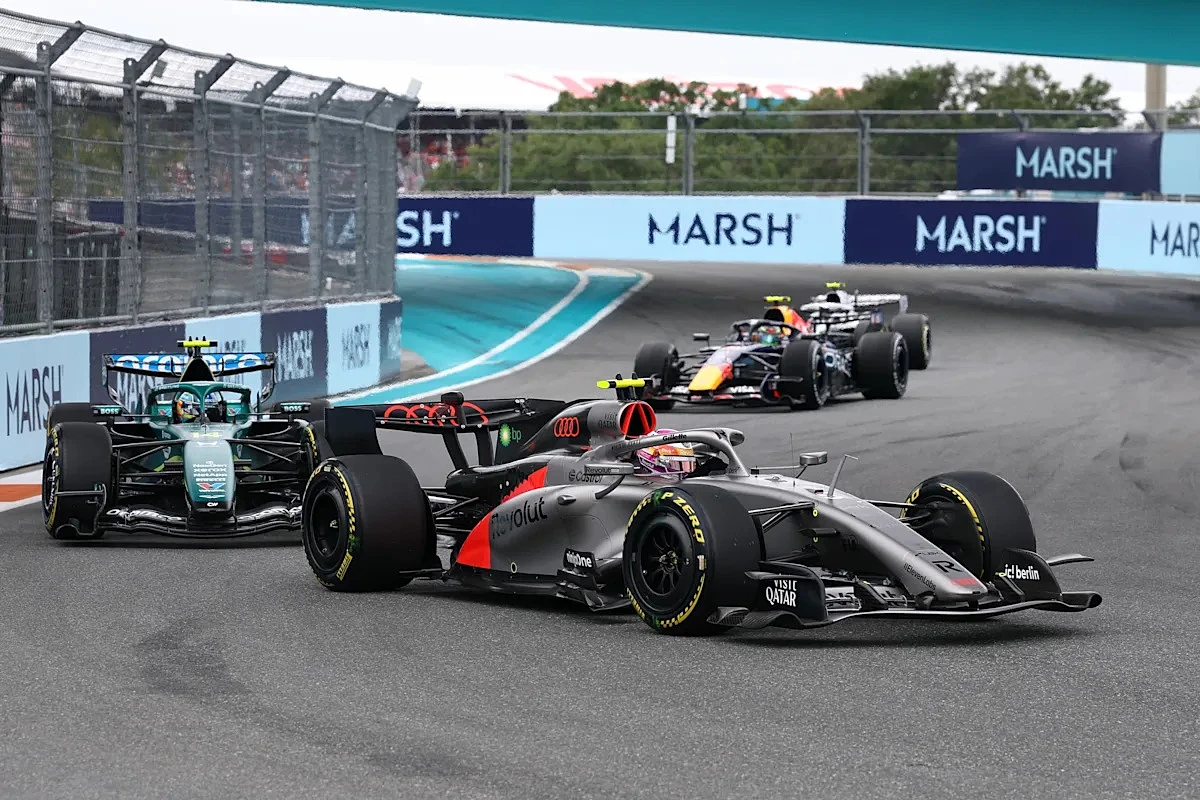
The Miami Grand Prix wasn't just another stop on the F1 calendar—it was a pivotal moment for several teams looking to make a statement on American soil. After a rocky start to the season that saw the Bahrain and Saudi Arabian Grands Prix canceled due to geopolitical tensions, the pressure was on for Miami to deliver. And it did, despite a looming thunderstorm threat that could have forced another cancellation under Florida's strict lightning safety laws. By moving up Sunday's race, organizers dodged disaster, and Mercedes' rising star Kimi Antonelli cruised to victory on a mostly dry track.
But the real story in Miami was about transformation. For teams debuting revamped cars—and in some cases, entirely new identities—this race was their first chance to shine in front of American fans. One standout was Audi, making its U.S. Formula 1 debut after acquiring the Stake F1 Team Kick Sauber, set to take full control in 2026. Sauber Motorsport had been a grid mainstay for over three decades, but with only one podium finish in more than 500 races, they were overdue for a shake-up. Now backed by Audi's legendary motorsport pedigree—including dominance in the World Endurance Championship and Le Mans—the team is poised for a breakthrough. With this season's revamped cars and revised power units leveling the playing field, Miami marked the start of a new chapter. For fans and teams alike, the race was a glimpse of what's to come.