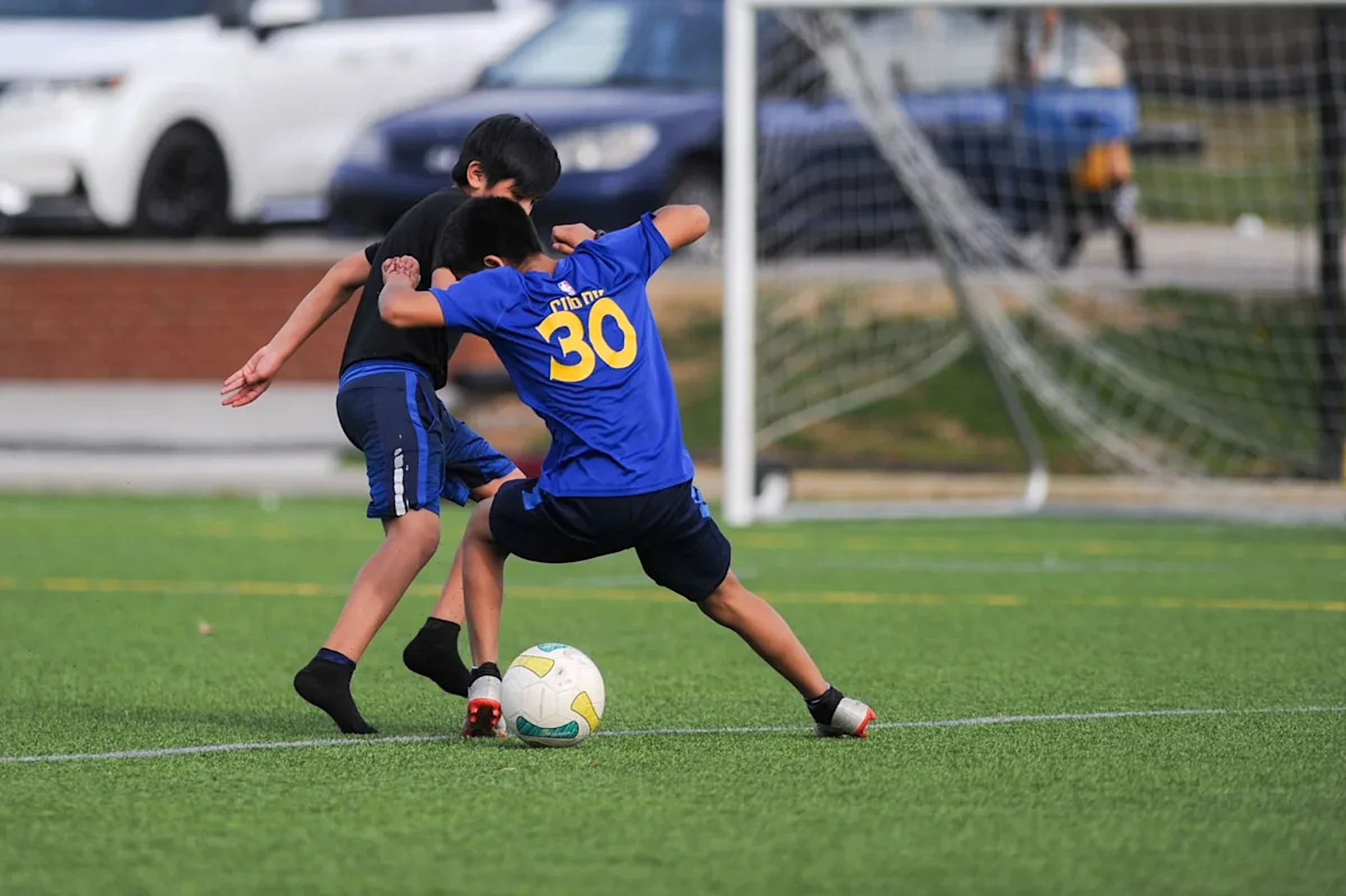
Every parent wants the best for their child, but when it comes to youth sports, the line between support and pressure can get blurry. Are you living vicariously through your kid's home run, or are they genuinely chasing their own dreams? It's a question worth asking—and one that doesn't get asked enough.
During a recent talk at St. Michael's Country Day School in Newport, Rhode Island, I sat down with a group of parents to tackle the ups and downs of "surviving youth sports." The conversation hit home for many, especially in a tight-knit coastal community where co-op teams are the norm, even at the high school level. "Parents in Newport and the neighboring communities rely on each other," shared Kate Standifer, whose 10-year-old son, Alex, attends the school.
From frustration over team dynamics to wondering why your child suddenly wants to quit, these are universal struggles. I broke down 10 common misconceptions—often driven by our own anxiety—and answered five burning questions that every sports parent can relate to. Here's what we uncovered:
1. What is my kid really getting out of this?
It's easy to focus on wins, stats, or college scholarships, but the real value often lies in the intangibles: teamwork, resilience, and the joy of movement. A couple from Norway, a country that dominates Winter Olympics without the pressure cooker of American youth sports, reminded us that unstructured play and friendships are the foundation. "The model is so simple that they don't believe us," said Inge Andersen, former head of Norway's Olympic Committee. In Norway, kids play for fun until around age 13, when promising athletes are identified. Before that, the standards should come from the child's passion, not our expectations.
2. How much should we push them?
Pushing too hard can backfire, turning a love for the game into a chore. If your child shows genuine interest, you can gently raise the bar—but let their curiosity guide the pace. Coaches feel this weight too, balancing development with keeping the fun alive.
3. Why don't they want to be on a team?
Some kids thrive in solo sports or just need a break from the social dynamics of a team. It's not always a red flag—sometimes it's about finding the right fit. Ask open-ended questions: "What part of practice do you look forward to?" Their answer might surprise you.
4. What if they want to quit mid-season?
Before saying no, dig deeper. Is it burnout, a conflict with a coach, or just a bad week? Encourage them to finish the commitment if possible—it teaches perseverance—but be ready to pivot if the sport truly isn't sparking joy.
5. How do I handle my own anxiety?
Youth sports can amplify our fears about failure or missed opportunities. Take a step back. Remember, the goal isn't to raise a pro athlete—it's to raise a healthy, confident kid who loves to move. As one parent in Newport put it, "We're all in this together."
Whether your child is a budding star or a reluctant player, these questions can help you find common ground. After all, the best gear for youth sports isn't just the right cleats or jersey—it's a supportive mindset that lets kids grow at their own pace.