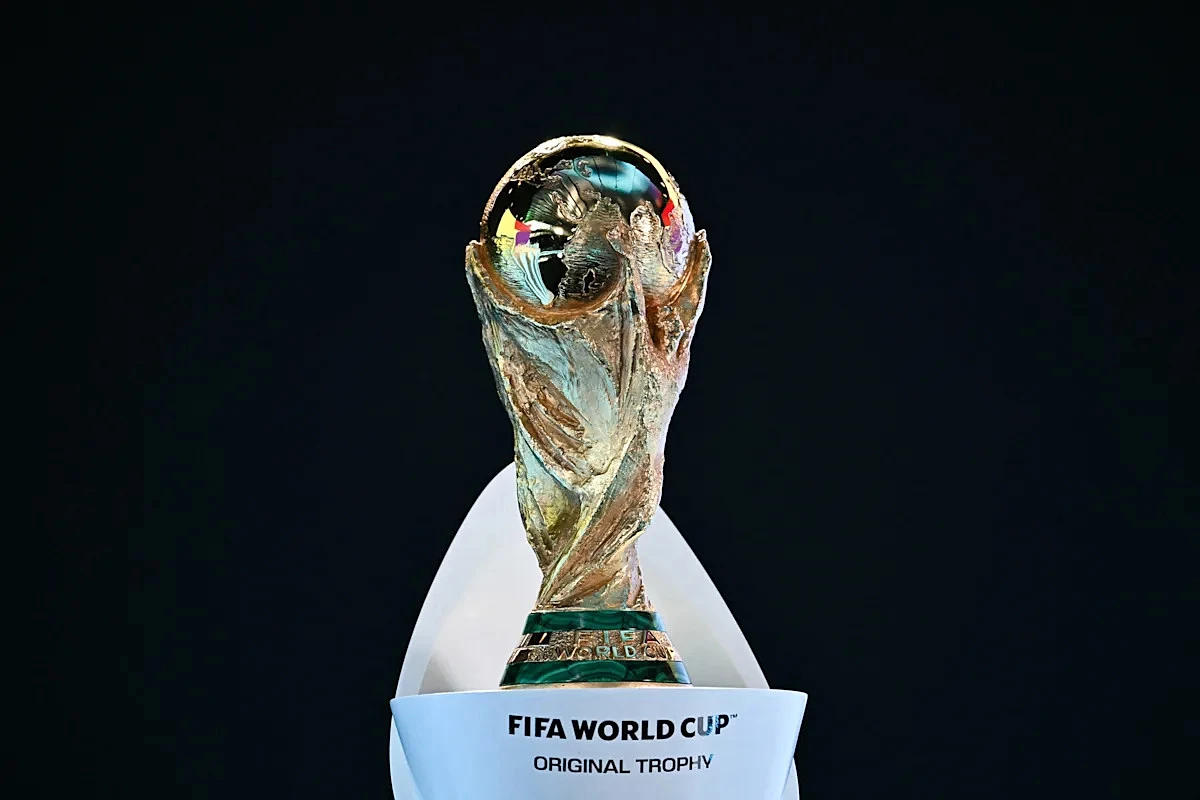
FIFA has announced a fresh batch of 2026 World Cup tickets will be released on Thursday, May 7, at 12 p.m. ET, offering fans another chance to secure seats for the tournament's 104 matches. This drop arrives as resale prices for the event, co-hosted by the United States, Canada, and Mexico, continue to decline on third-party platforms, signaling a shift in the market.
The tournament, kicking off June 11, has faced mounting criticism over ticket costs that far exceed those of previous World Cups. Since launching its "last-minute" sales phase on April 1, FIFA has been releasing tickets on a rolling, first-come, first-served basis via FIFA.com/tickets. The governing body also operates its own resale marketplace, promising a secure environment for buyers and sellers. Yet, outside that platform, prices are trending downward.
Data from TicketData.com, which tracks resellers like StubHub, SeatGeek, and Vivid Seats, reveals that the get-in price—the cheapest available ticket—has dropped for 87 of the 91 matches in the U.S. and Canada over the past two weeks. This cooling market is a notable contrast to the initial frenzy, especially for high-demand games.
Take the United States' opener against Paraguay at SoFi Stadium in Los Angeles, one of the tournament's priciest matchups. The get-in price has now fallen below $1,000, a significant shift for a game that has drawn intense interest. According to a report from The Athletic last month, sales for that June 12 match were lagging, with more tickets sold for an Iran-New Zealand clash three days later at the same venue. That comparison underscores how even marquee games are feeling the pressure of elevated pricing.
For budget-conscious fans, there's good news: four group-stage matches now have get-in prices under $200. These include Cape Verde vs. Saudi Arabia in Houston and Austria vs. Jordan in Salt Lake City, offering affordable entry points into the tournament experience. As the World Cup approaches, this new ticket drop could be a golden opportunity for fans to lock in seats without breaking the bank—especially as resale prices continue their downward trend.