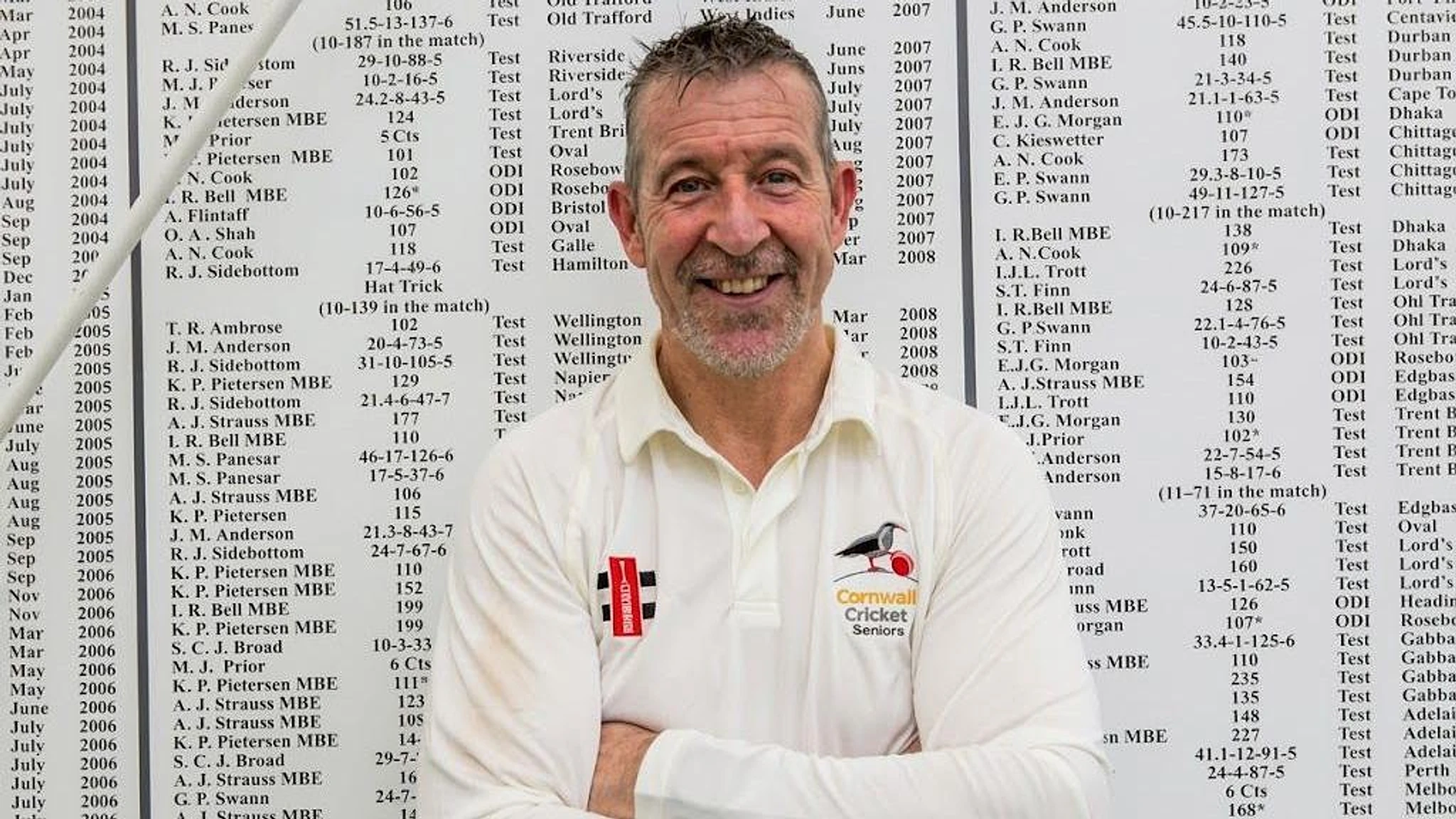
Former Premier League goalkeeper Nigel Martyn stands on the brink of achieving a rare and remarkable sporting milestone: becoming a dual international for England. The 57-year-old, who earned 23 caps for the Three Lions between 1992 and 2002, is now in contention to represent England's Over-60s cricket team this summer—a feat that would see his name etched alongside just 12 other men who have played both sports for their country.
Think of the legends: Denis Compton, CB Fry, and Tip Foster—names that transport you to an era of tweed blazers and Brylcreem. Arthur Milton was the last to accomplish this double act, playing his first Test in 1958, seven years after his solitary England football cap against Austria. Now, Martyn is poised to join that exclusive club.
"It's pretty special," Martyn told the BBC, reflecting on the opportunity. "As a professional goalkeeper, I wasn't allowed to play cricket in the summer—it risked breaking fingers. When I retired, I had a stress fracture in my ankle and didn't think I'd ever play again. But I got the all-clear in 2011 and started back up."
Martyn's football journey began in the most unlikely way. A tea lady named Vi Harris recommended him to Bristol Rovers manager Gerry Francis in 1987. From there, the Cornishman built a stellar career with Crystal Palace, Leeds United, and Everton, making 666 league appearances before hanging up his gloves in 2006.
These days, you'll find him playing club cricket for Scarcroft CC near Leeds, where he's rediscovered his first love for the sport. A few years back, he even helped Knaresborough CC reach the North Yorkshire Premier Division, alongside former England goalkeeper Paul Robinson. Now, his path to international honors runs through county age-group matches for Cornwall—a grueling 800-mile round trip from his Yorkshire home.
"My good friend Sean Hooper, who captained Cornwall Over-50s, asked me about six years ago if I fancied playing," Martyn recalled. That conversation set the stage for a summer that could see him trade the football pitch for the cricket crease—and write his name into sporting history.