Is managing the England men's national team the ultimate challenge in football—or simply an impossible dream? For 60 years, since Sir Alf Ramsey lifted the World Cup in 1966, 14 managers have tried to replicate that glory. Each has faced a unique blend of sky-high expectations, relentless media scrutiny, and suffocating pressure. From Graham Taylor's infamous "turnip" headlines to Sam Allardyce's sting operation exit, the role has earned its reputation as "the impossible job." But what truly sets it apart from managing Spain, Italy, or Brazil? The answer lies in England's deeply emotional relationship with the World Cup itself.
Since 1966, every tournament has layered on fresh heartbreak: Diego Maradona's "Hand of God" in 1986, penalty shootout agony in 1990, 1998, and 2006, and the humiliation of failing to qualify in 1994. These moments fuel a visceral frustration that plays out in a vociferous media, never afraid to tear down players and managers alike. Bobby Robson was told to quit after a draw with Saudi Arabia under the headline "In the name of Allah, Go." Glenn Hoddle and Allardyce both departed in scandal. The job has its own mythology—a mystical code that has remained uncracked for decades.
Then came Gareth Southgate, who changed the game. By opening up himself and his players to the media, he softened the tension and lightened what he called "the weight of the waistcoat." His on-pitch success—leading England to a World Cup semi-final and a European Championship final—fostered a rare positivity around the team. But even that couldn't last forever; by Euro 2024, fans and journalists began to turn, and Southgate stepped down.
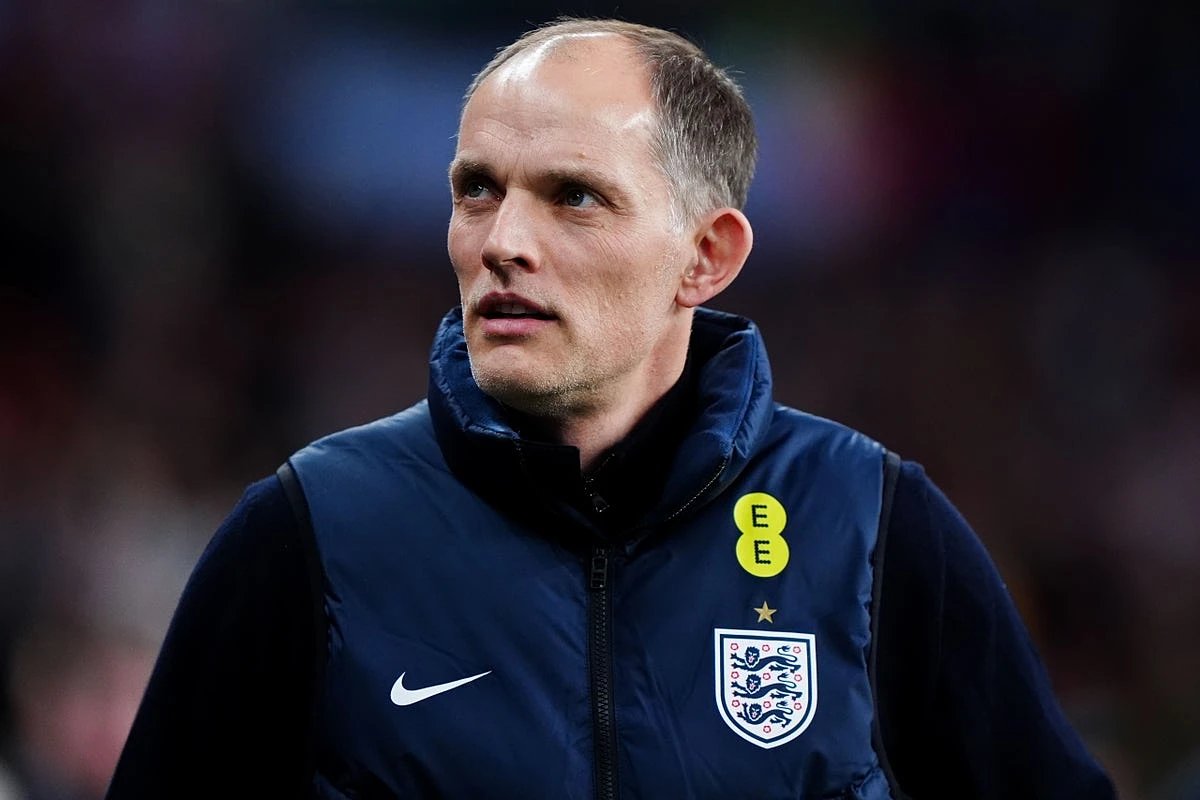
Now, Thomas Tuchel has stepped into the breach. With his famously free and blunt style, the German manager appears to be shedding some of the pressure—at least for now. Could he be the one to finally crack the code? Or is the England manager's role destined to remain the impossible job, no matter who wears the waistcoat? One thing's for sure: the story is far from over.