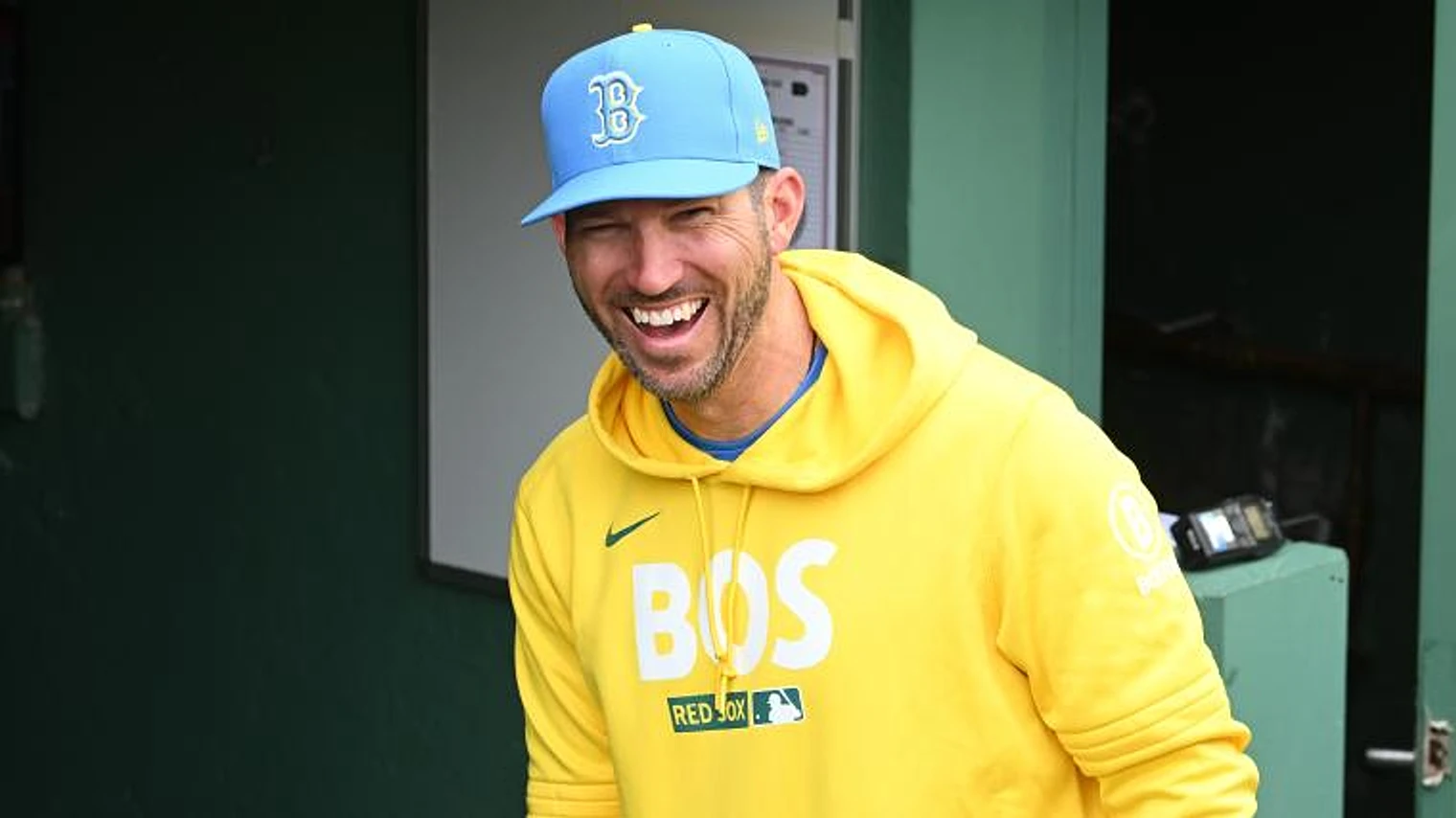
When Chad Tracy packed his bags for spring training this year, managing the Boston Red Sox wasn't exactly on his bingo card. But baseball has a funny way of throwing curveballs—and this one came with a fastball's velocity.
In a stunning shake-up that sent shockwaves through the sport, Alex Cora and several assistant coaches were abruptly dismissed on April 25. That left the Red Sox scrambling for leadership, and they turned to a familiar face: Tracy, who had been managing their Triple-A affiliate in Worcester. Overnight, he went from developing prospects in the minors to calling the shots in the big leagues.
For the 45-year-old former big-leaguer—who logged nine seasons in the majors—this is his first taste of managing at the highest level. But here's the twist: he already knows most of Boston's roster from their time together in Worcester. That built-in chemistry might just be his secret weapon.
In a recent interview with The Athletic's Jen McCaffrey, Tracy opened up about his approach to the whirlwind transition. "There's a good bit of observation early on," he explained. "One, because it's the smart thing to do, and two, if you just come in and start making changes, you make the group feel like you haven't even been here. How do you know what's going on?" Still, he's not afraid to lean on his familiarity with the players. "If I see something approach-wise, I talk to them a little bit about what I feel will help us get on track."
Tracy also revealed his close working relationship with Chief Baseball Officer Craig Breslow. "I talk to him a couple of times a day," Tracy said. "We talk before the game. We talk after the game. But he's been amazing. He wants to know what I think and hasn't put me in a position of saying 'you need to do this' or 'you need to do that.' He knows I know the guys, too."
Perhaps the most telling endorsement comes from the players themselves. Infielder Marcelo Mayer, who played under Tracy in Worcester, praised his former skipper for making the transition feel seamless. "Honestly, it feels like he's been here the whole time," Mayer said. "I'm sure it's been a lot for him and he's been super busy, but he's been super pro. The players like him. The ones that played with him in Triple A love him. He's one of my favorite managers I've ever had."
For Tracy, the message is clear: he's not here to reinvent the wheel. He's here to steady the ship, build trust, and maybe—just maybe—prove that sometimes the best leaders are the ones who've been in the dugout with you all along.