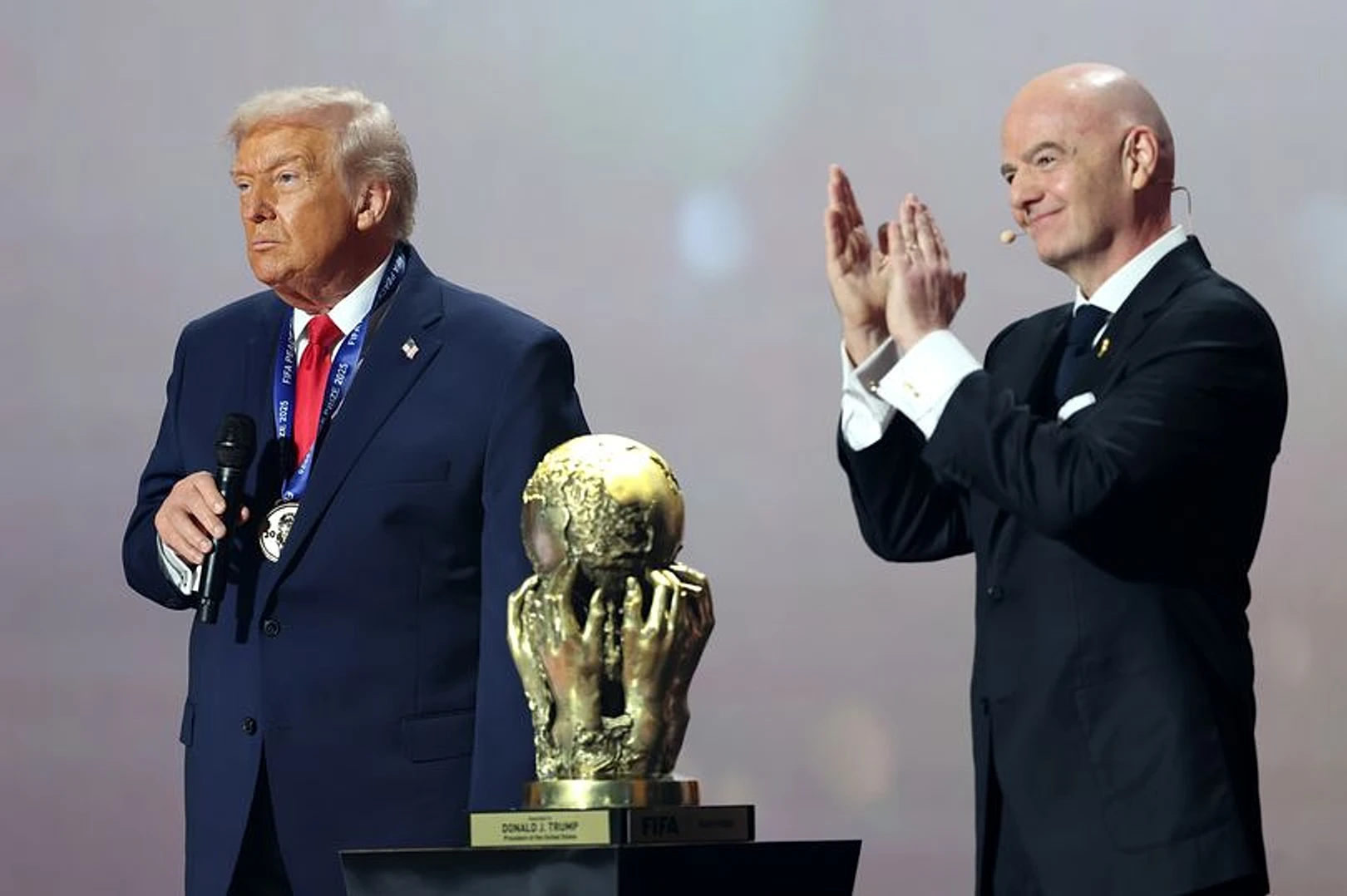
Australian international Jackson Irvine has delivered a blistering critique of FIFA's decision to award the newly-minted FIFA Peace Prize to U.S. President Donald Trump, calling the honor "a mockery" as the countdown to the 2026 World Cup intensifies.
The 33-year-old midfielder, who currently suits up for Bundesliga side FC St. Pauli, didn't hold back in expressing his deep concerns for LGBTQI+ communities in America. Known for his outspoken advocacy, Irvine serves as Co-President of Professional Footballers Australia and sits on FIFPRO's Global Player Council—roles that have put him at the forefront of player rights and social issues in the sport.
The controversy stems from FIFA President Gianni Infantino's November 2025 announcement of the Peace Prize, which came just one month after Trump failed to secure the Nobel Peace Prize he had actively campaigned for. According to reports from The Athletic, FIFA's own Council wasn't consulted before Infantino made the decision public.
In his announcement, Infantino framed the prize as a recognition of those who work to end conflicts and unite people, stating, "Football stands for peace, and on behalf of the entire global football community, the FIFA Peace Prize – Football Unites the World will recognise the enormous efforts of those individuals who unite people, bringing hope for future generations."
Trump was presented with a trophy and medal by Infantino at the World Cup draw ceremony in December, just months before the tournament kicks off across the United States, Mexico, and Canada this summer. Infantino praised Trump as "a leader that cares about the people," adding, "You definitely deserve the first FIFA Peace Prize for your action, for what you have obtained in your way."
For Irvine and many in the football community, the timing and recipient of the award have raised serious questions about FIFA's priorities, especially as the sport prepares to take center stage in a country where LGBTQI+ rights remain a deeply polarizing issue. As the World Cup approaches, this debate is far from settled—and players like Irvine are making sure their voices are heard.