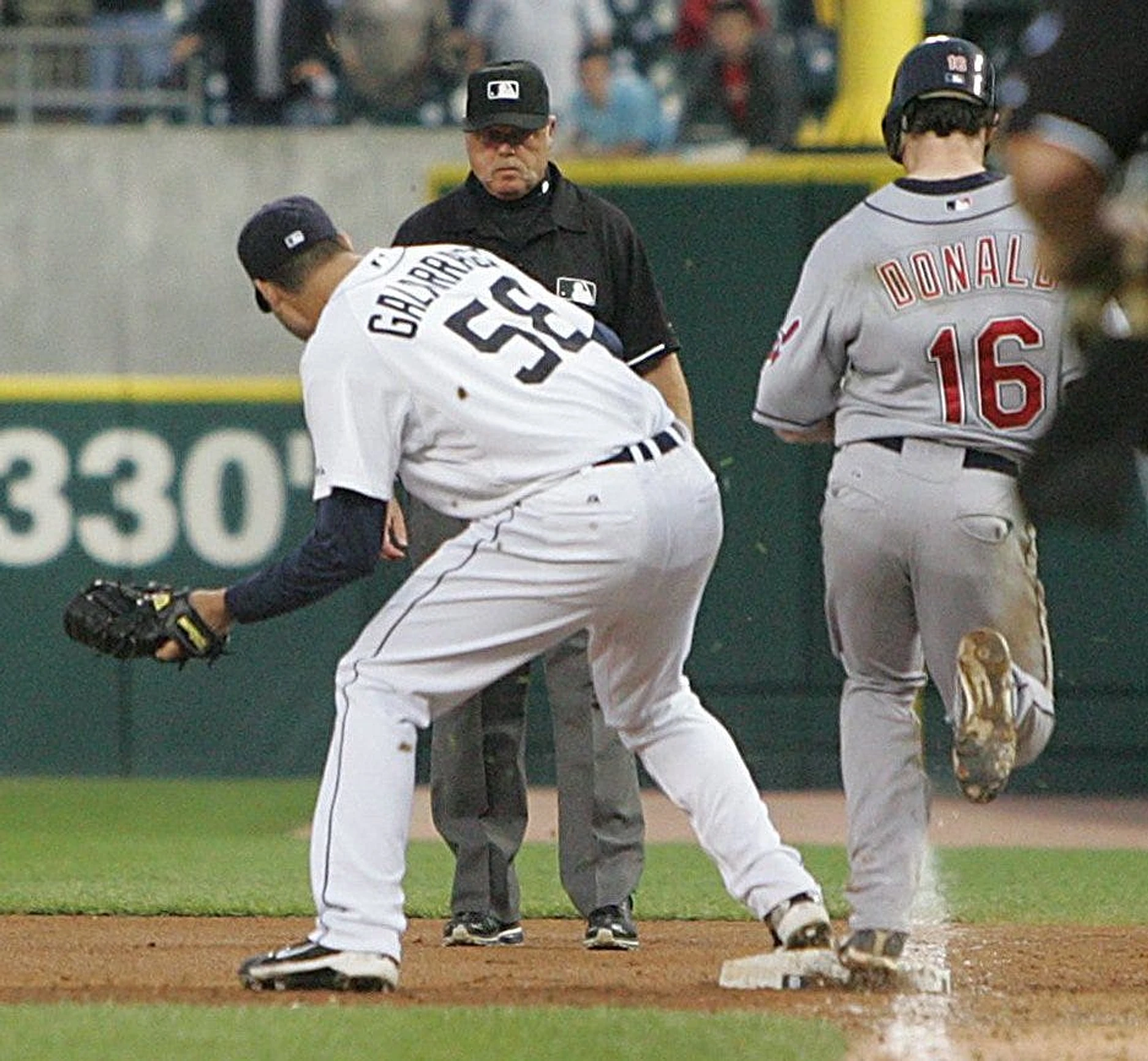
Some moments in sports transcend the game itself. June 2, 2010, was supposed to be one of those moments for Detroit Tigers pitcher Armando Galarraga. At just 28 years old, he was one out away from baseball immortality—a perfect game. Then, on the final play, first base umpire Jim Joyce made a call that would become one of the most infamous blown calls in MLB history. The Cleveland batter grounded to first, Galarraga covered the bag, caught the throw, and the runner was clearly out. But Joyce called him safe. The perfect game was gone.
What happened next revealed something deeper about sports and fairness. Galarraga handled the moment with incredible grace, even smiling as he walked off the mound. Joyce later apologized, visibly emotional. But Major League Baseball did nothing to reverse the call. No replay review. No retroactive correction. No asterisk. Nothing. And that’s the problem.
Sports are supposed to be obsessed with fairness. We have instant replays, coach's challenges, flagrant foul reviews, and endless video analysis. Yet baseball has a long history of tolerating injustice—from the spitballs and stolen signs of the past to the systemic racism that kept Black players out of the majors until Jackie Robinson broke the color barrier in 1947. More recently, the NFL blackballed Colin Kaepernick for a peaceful protest against police brutality. In that context, Galarraga's stolen perfect game feels like part of a larger, troubling pattern.
At the time, there had been only 20 perfect games in MLB history. Twenty. In over a century of baseball. Everyone who watched that game—the fans in the stadium, the millions watching on TV, even the runner himself—knew the call was wrong. The umpire later admitted it. But baseball chose to stand by "the rules" rather than correct an obvious, historic mistake. That’s not tradition. That’s stubborn indifference to justice.
As Martin Luther King Jr. once said, "The time is always right to do what is right." For Galarraga, that time has passed. But the lesson remains: when we tolerate injustice in sports, even in small moments, we risk normalizing it everywhere else. A blown call might seem minor compared to bigger societal wrongs, but it’s a slippery and dangerous slope. And for fans who love the game, it’s a reminder that fairness isn’t just about the scoreboard—it’s about doing the right thing, even when it’s hard, even when the game is over.