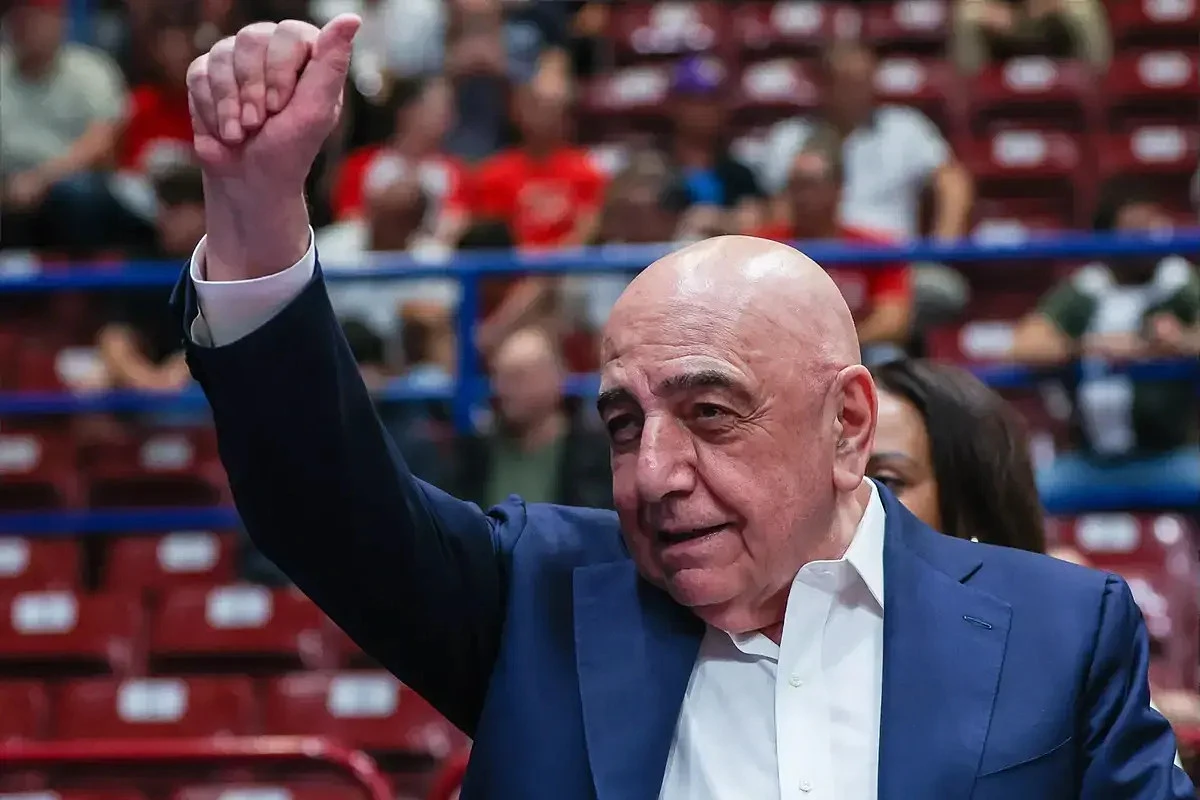
In a move that has sent ripples through Italian football's corridors of power, Adriano Galliani has officially withdrawn from the race to become the next president of the Italian Football Federation (FIGC). This decision deals a significant strategic blow to Juventus, who had reportedly backed the former AC Milan executive as their preferred candidate to steer the national governing body.
The FIGC presidency became vacant after the resignation following Italy's failure to qualify for the 2026 World Cup, a national disappointment that has triggered a major leadership shake-up. Clubs like Juventus saw this as a critical moment to influence the future direction of Italian football, and Galliani, with his decades of experience at the highest level of Serie A, was viewed as an ideal figurehead.
According to reports, Juventus, alongside AC Milan, had been actively supporting Galliani's potential candidacy, partly due to their lack of enthusiasm for other frontrunners. His withdrawal from contention fundamentally alters the electoral landscape, stripping these clubs of their champion and forcing a recalibration of their plans.
With Galliani out of the picture, the path has become considerably clearer for the current frontrunner, Giovanni Malagò. While a seasoned sports administrator, Malagò is not the candidate Juventus had hoped for, and the club is said to have reservations about his potential leadership. Nevertheless, his election now appears increasingly likely.
For Juventus, this represents a political setback in the ongoing power dynamics of Italian football. The Bianconeri will now have to adapt and build a working relationship with whatever new leadership emerges from the FIGC election. While they didn't get their first choice, the club's focus will inevitably shift to collaborating with the federation to address the broader challenges facing the Italian game, from youth development to Serie A's competitiveness. This episode underscores that even off the pitch, the battle for influence in calcio is always fiercely contested.