As the countdown to the 2026 FIFA World Cup begins, a new scientific report is sounding the alarm: one in four matches could be played under dangerously hot conditions. Climate change has dramatically increased the risk of extreme heat across North America since the United States last hosted the tournament in 1994, according to researchers from World Weather Attribution (WWA).
The tournament, spanning from June 11 to July 19 across 16 stadiums in the United States, Mexico, and Canada, will see players and fans facing a much higher threat of grueling heat and humidity. FIFA has already responded by mandating cooling breaks during each half of every match, but the data suggests more may be needed.
WWA's analysis estimates that 26 of the 104 matches could reach at least 26°C on the Wet Bulb Globe Temperature (WBGT) scale—a comprehensive measure that accounts for heat, humidity, sun exposure, and wind to determine how effectively the human body can cool itself. At this threshold, the international footballers' union FIFPRO recommends cooling breaks, as heat strain becomes a real risk for players. Of those 26 matches, 17 will be played in stadiums with built-in cooling systems, offering some relief.
To put this in perspective, during the 1994 World Cup, only 21 games would have been expected to hit that same heat level. The difference is stark, and it gets worse. Five games are projected to see conditions of 28°C WBGT or higher—a level FIFPRO says should trigger match delays or postponements until it's safer for everyone on the pitch. That risk has nearly doubled since 1994.
"It's dangerous for players, but fans are at even more risk because they won't be surrounded by medical staff," warns Friederike Otto, WWA co-founder and climate science professor at Imperial College London. "Those gathering outdoors in the heat need protection too."
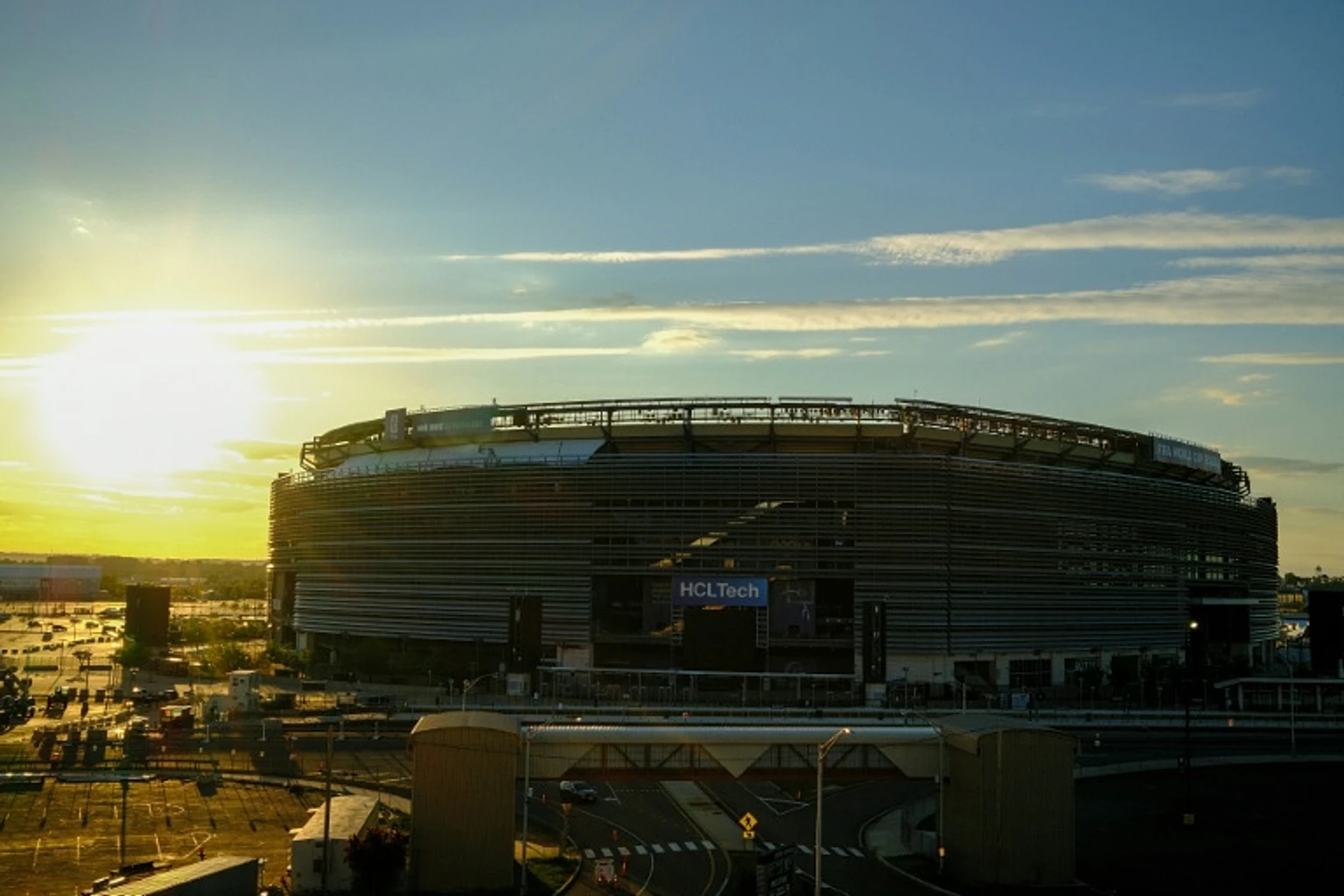
Only three of the 16 host stadiums—in Dallas, Houston, and Atlanta—are fully air-conditioned. Yet more than a third of the games with a one-in-10 chance of exceeding 26°C WBGT will take place in venues without any cooling infrastructure. The final, scheduled for July 19 at MetLife Stadium in New Jersey, could also face sweltering conditions, though organizers are banking on late-summer weather patterns to help.
For athletes and fans alike, the message is clear: as the world's biggest sporting event returns to North America, the heat is on—literally. Whether you're cheering from the stands or gearing up for a kickabout, staying cool and hydrated will be just as important as the game itself.