Nearly a decade after her last MMA fight, Ronda Rousey is finally ready to talk. And the story she's telling now is one that changes everything we thought we knew about the abrupt end of her legendary UFC career.
On Saturday, inside the Intuit Dome in Los Angeles, Rousey returns to combat sports under the bright lights of Jake Paul's Most Valuable Promotions on Netflix. Her opponent? Gina Carano—a name that takes us back to the early days of women's MMA, before Rousey became a household name and changed the sport forever.
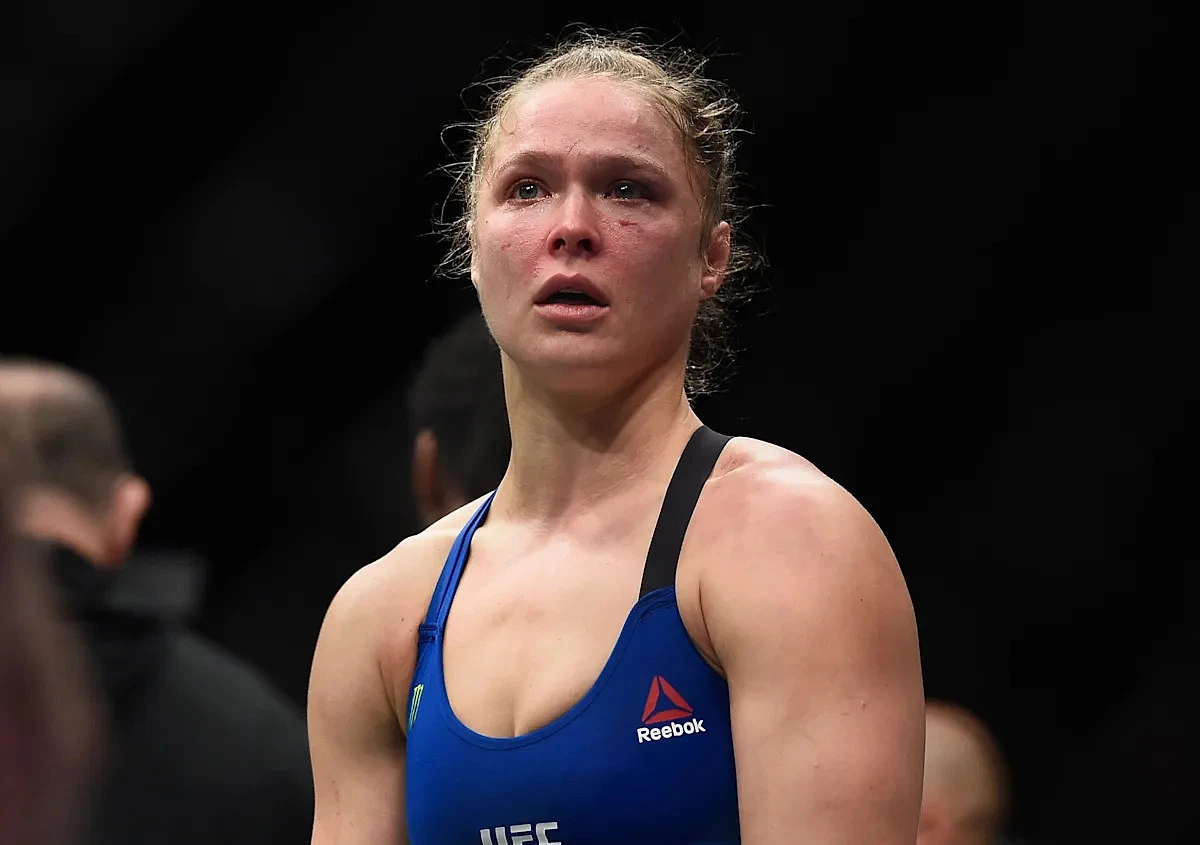
But the real headline isn't the fight itself. It's what Rousey revealed this week on "The Ariel Helwani Show" about the darkness that followed her back-to-back losses to Holly Holm and Amanda Nunes—a period that saw her close herself off from the MMA world entirely.
"I was dealing with these neurological issues for such a long time, and I didn't understand what was going on," Rousey admitted. "They were getting worse and worse and worse. It just finally came to a head in that fight. I just felt like it finally caught up to me, and my career was over. It was more than just losing a fight. It was, 'Man, I can't fight anymore.'"
For years, fans and pundits speculated about Rousey's sudden disappearance from the sport. Some called it pride. Others said she simply couldn't handle losing. But the former UFC bantamweight champion is now offering a different explanation—one rooted in an invisible injury that she says affected her long before the world watched her fall.
"There's a lot of people that think I'm making it up or don't believe me. Neurological problems are an injury that nobody else can see," she explained. "I think what I hated most about it was the very first time I got hit in that [Holm] fight, it knocked all my lower teeth loose and cut my lip open. I got this huge migraine aura—a big chunk of my vision missing, like losing my depth perception and ability to think clearly, quickly, and track moving objects."
Despite the chaos happening inside her own body, Rousey did what she had always done: she hid the pain. "I've been trained my whole life to not show hurt—then they're going to capitalize and know [if I show them]. So that entire fight was just me trying to hide the fact that I couldn't see or think."
Now 39 years old and long removed from the pressure of being the face of women's MMA, Rousey finally has perspective. "Now I get it," she says—and for fans who watched her rise and fall, this new chapter offers a chance to understand the fighter behind the highlight reels.