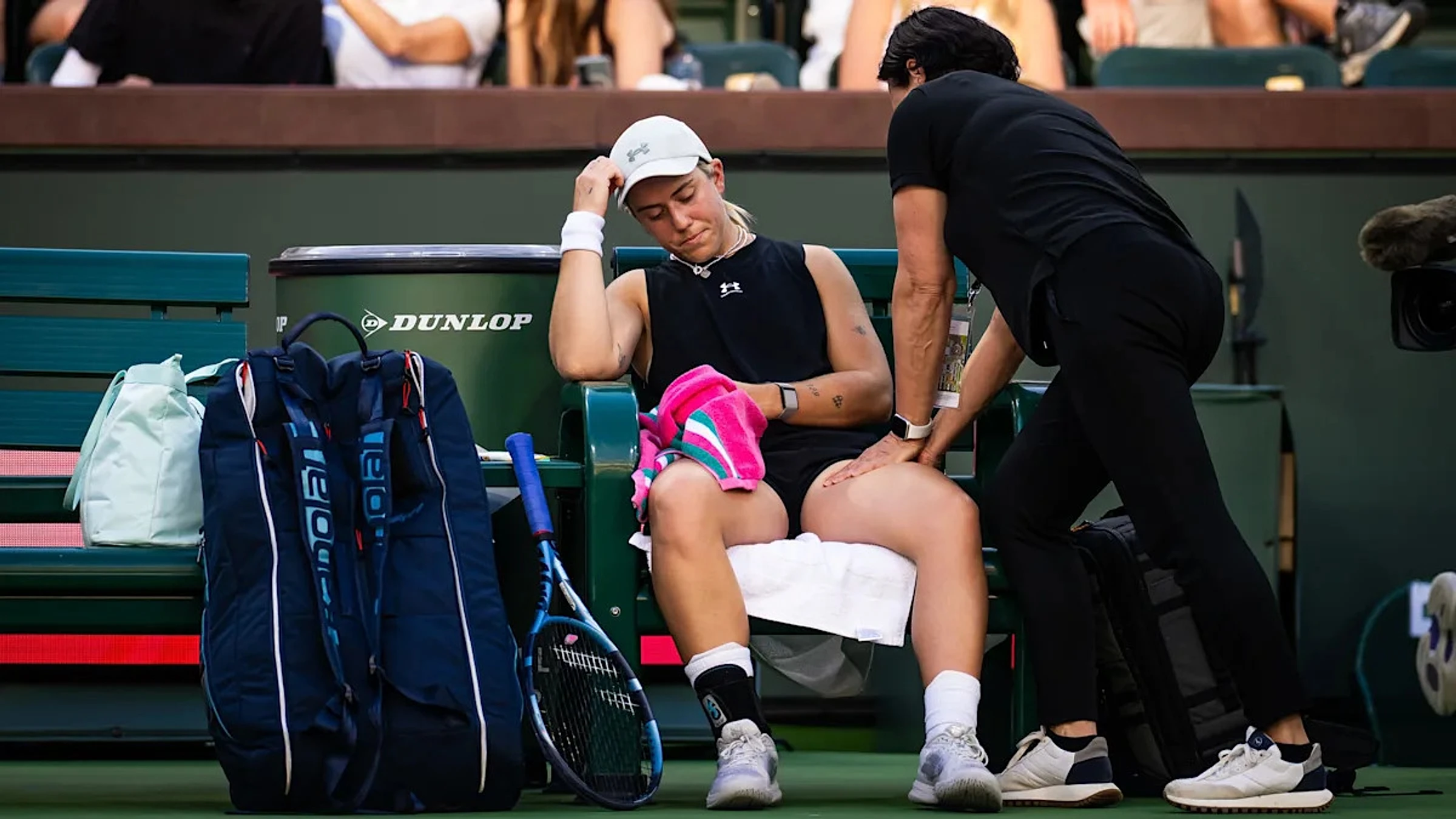
British tennis has been battered by injuries this clay-court season, leaving fans wondering: why are so many of our top players sidelined?
Jack Draper is nursing a right knee issue, Sonay Kartal is battling a back problem, and Jacob Fearnley is dealing with a rib injury. Meanwhile, Emma Raducanu has been off the tour for two months due to a viral infection—and counting. It's no wonder Britain's top 100 talent pool has been stretched thin on the red dirt.
But this isn't just a British problem. Carlos Alcaraz will miss defending his French Open title because of a wrist injury, and world number seven Taylor Fritz has been resting a long-term knee issue since March. Injuries are hitting the sport hard across the board.
The Lawn Tennis Association (LTA) conducts internal audits on injuries suffered by British players and says there's no repeat pattern. But performance director Michael Bourne points to a key culprit: high match load.
"Tennis players tend to play more matches than a lot of other sports," Bourne explained. "I did some research looking at who played the most hours in football last year. Federico Valverde from Real Madrid played 101 hours, Bruno Fernandes of Manchester United 97. In tennis, Jannik Sinner played 182 hours and Carlos Alcaraz 176."
The difference? "You don't get to substitute in a game of tennis—once you are on, you are on. Because of the nature of the match, you don't get to control whether you're out there for three hours or five."
Of the six British singles players who started the year in the top 100, Cameron Norrie is the only one to have avoided injury or illness. He's bounced back impressively, climbing into the world's top 20 in recent weeks.
Raducanu, 23, was set to return at the Italian Open in Rome but withdrew due to post-viral symptoms. Kartal is on track for a grass-court comeback, but the back injury she suffered during her run to the Indian Wells fourth round in March has been a tough setback.
For tennis fans and players alike, the message is clear: without substitutes, every match is a marathon—and recovery is just as important as the game itself.