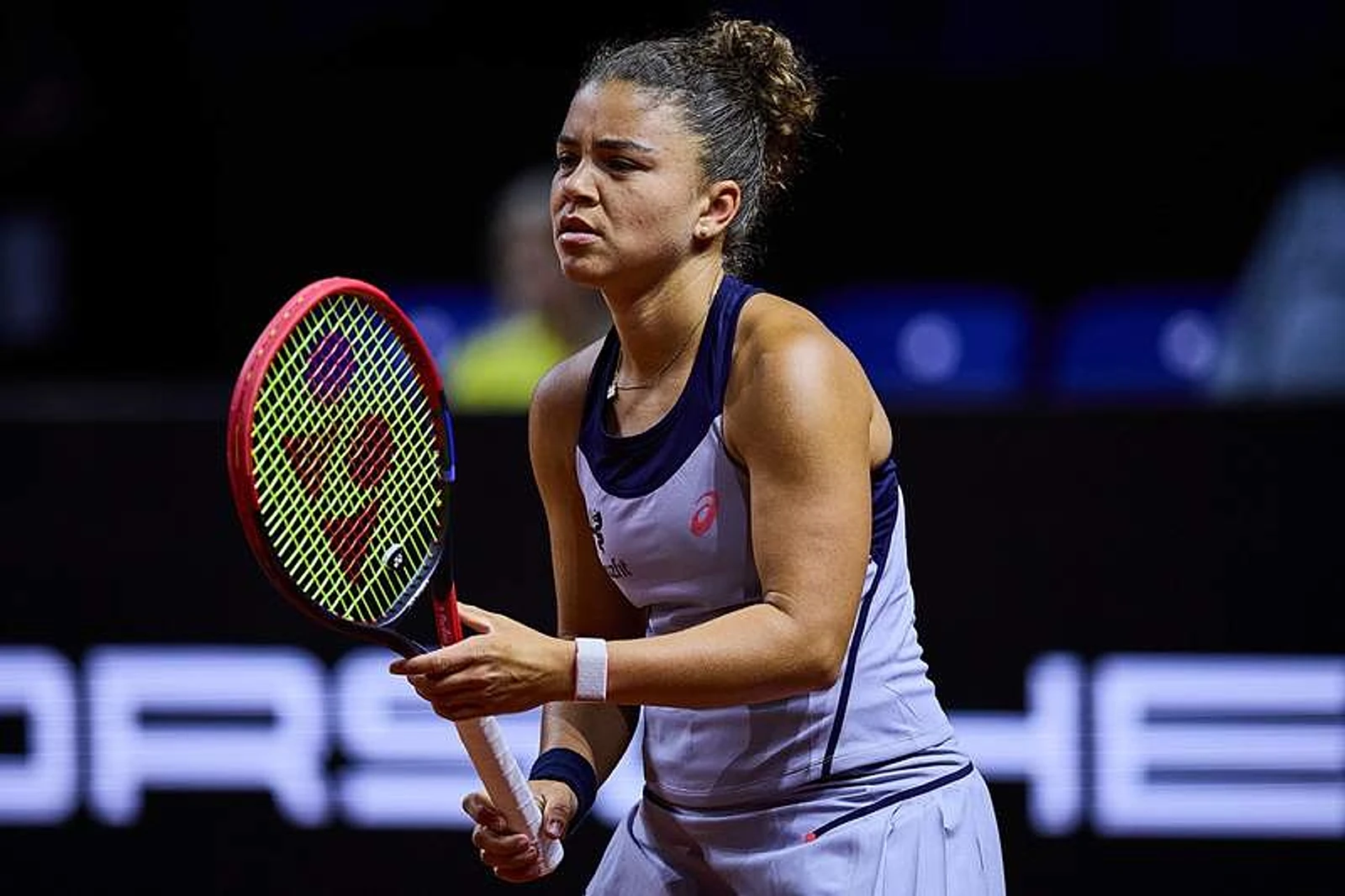
The French Open prize money debate is heating up, and some of tennis's biggest names are ready to take a stand. A growing chorus of players, including 30-year-old WTA star Jasmine Paolini, has joined forces with the likes of Aryna Sabalenka to voice their frustration over the 2025 Roland Garros pay structure.
It all started back in March 2024, when a coalition of top-ranked ATP and WTA players demanded Grand Slams increase prize money and commit to a 22% revenue share—a standard on the regular tour. But as the clay-court season swings into full gear at Roland Garros, many feel the changes just aren't enough.
Now, a fresh wave of top-10 stars has reignited the conversation, and Paolini is the latest to speak out. The Italian, fresh off her triumph at the Italian Open, didn't mince words. She revealed that players are so united on the issue that a boycott of Grand Slams is no longer off the table.
"It's a topic that goes around," Paolini said during a press conference. "I think we're doing this so that there is a better situation for players, especially on the issue of pensions and maternity. The Slams are not providing for it, while the WTA is. There's this difference here, we're fighting for that. The good thing is that we are all united, all in the same direction."
The heart of the issue? Grand Slams are raking in record revenues, but players argue they're not seeing a fair slice of the pie. While the French Open announced a 9.5% prize money increase—bringing the total pool to $72.6 million—players say it's not nearly enough, especially when you consider the tournament's booming profits.
"The Slams raise the prize money a little but not as a percentage of how much they earn more," Paolini added. "But above all, they do not contribute to other issues. If we all agree, and in my opinion, we are, we could think of boycotting."
On Monday, a group of players issued a strong statement criticizing the increase, arguing that "as Roland Garros looks to post record revenues, players are therefore receiving a declining share of the value they help create." It's a sentiment that resonates from the locker room to the stands: the stars who pack the courts deserve a bigger cut of the action.
For now, all eyes are on Paris—not just for the clay-court battles, but for what could be a pivotal moment in the fight for fairer pay in tennis.