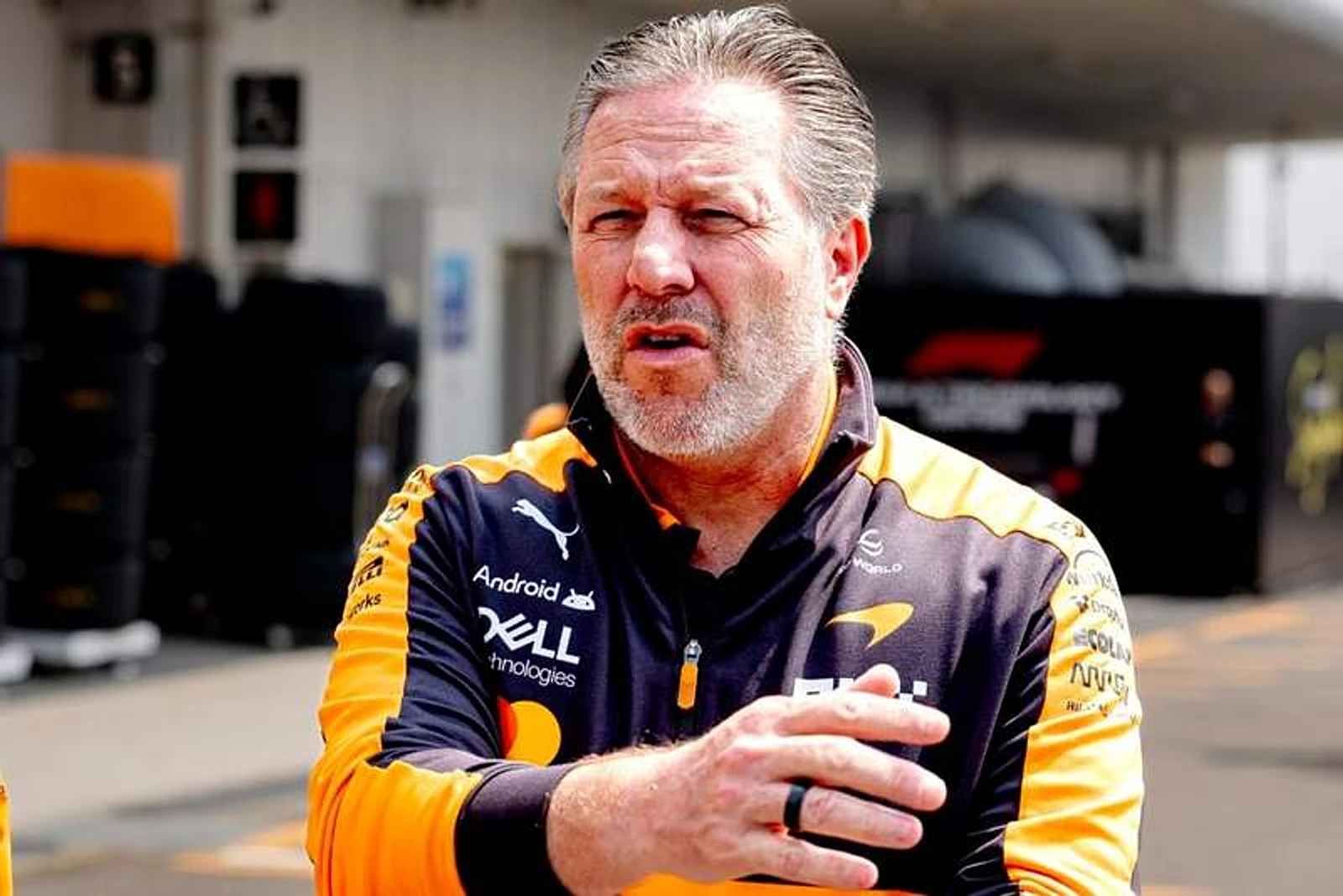
In a recent development that's stirring up the Formula 1 paddock, McLaren CEO Zak Brown has cast a spotlight on what he calls an "uncomfortable" dynamic brewing between his team and Red Bull. The tension stems from the high-profile departure of Gianpiero Lambiase, a key Red Bull figure, who is set to join McLaren in 2028 as their new Chief Racing Officer—a role reporting directly to team principal Andrea Stella.
While the move was announced during F1's April break, the long wait until Lambiase actually switches sides has sparked debate. Some insiders are urging Red Bull to let him go sooner, fearing he might gain access to sensitive future plans before joining a rival. However, Red Bull's Laurent Mekies has firmly stated that Lambiase will honor his contract in full.
Brown, speaking on Friday, didn't mince words. He compared the situation to Lewis Hamilton's recent announcement of his move to Ferrari, noting how Mercedes gradually restricted Hamilton's access after the news broke. "We know how this game works," Brown told Sky Sports. "At some point, it will probably be uncomfortable having someone who you know is going to a rival team. I know my general view is that if someone wants to move on, you need to do it in a measured way."
He added a broader perspective on team loyalty: "But if someone doesn’t want to be in my team anymore… I’ve never been one who feels like people steal from each other like drivers, sponsors. You lose them or they have interest in something else. So, 2028 is when his contract is through; we’ll wait if that’s what’s necessary."
Brown didn't rule out an earlier resolution, though. "If there’s something to be done earlier, we are of course interested in that. But for now, we are still stuck in 2026. It just makes things uncomfortable, right? If I had someone in my racing team that I knew was going—whether it was a driver or someone else… You see that more often with drivers. Lewis went to Ferrari, announced it…"
As the F1 season barrels forward, all eyes will be on how Red Bull handles this delicate transition—and whether the "uncomfortable" atmosphere Brown predicts will spark further friction between two of the sport's top teams.