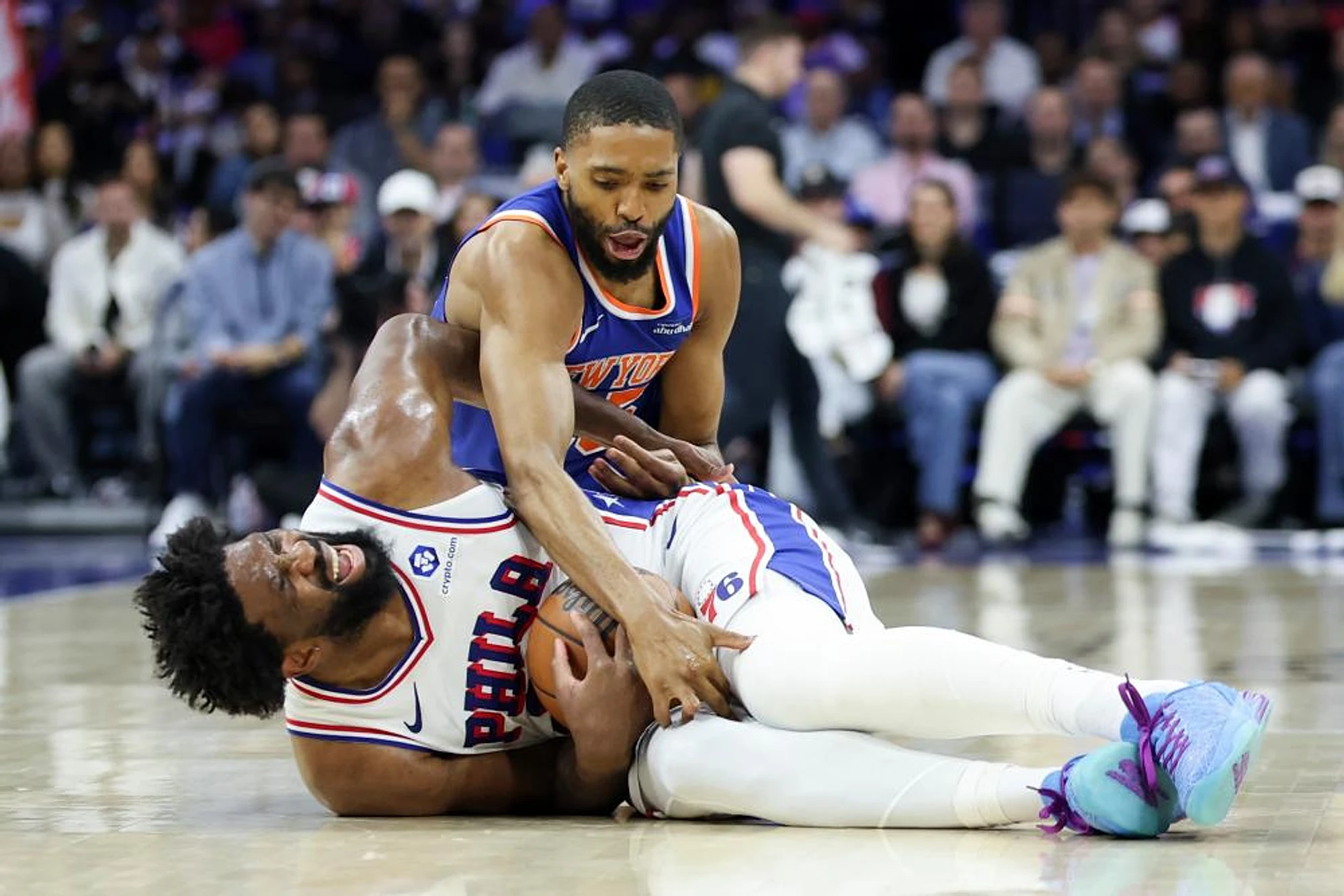
The Philadelphia 76ers' season ended not with a bang, but with a whimper—a humiliating four-game sweep at the hands of the New York Knicks, capped by a 30-point blowout in a arena that felt more like Madison Square Garden South. For fans who have endured the long, winding road of "The Process," it was a moment that echoed the famous scene from Stand By Me: a long, painful hike to discover something you knew was there all along, standing in silence over what can't be unseen.
This isn't just a playoff exit. It's the slow, inevitable death of a grand experiment. "The Process"—capital T, capital P—was supposed to redeem a franchise and a generation of suffering fans. Conceived by Sam Hinkie in 2013, it was a ruthlessly analytical blueprint: tank hard, hoard draft picks, and build through the lottery. In many ways, it worked. It delivered Joel Embiid, the foundation for Tyrese Maxey, and a framework that promised sustained excellence.
But 13 years later, the bottom line is brutal: no conference finals appearances, no titles, and a roster that looks more like a museum of what-ifs than a modern contender. The corpse of The Process was propped up against the Knicks in the second round, Weekend at Bernie's style—still moving, but clearly gone.
Today's NBA demands athleticism, perimeter versatility, switchable defenders, and youth. Current GM Daryl Morey built the opposite. He stockpiled aging, injury-prone max-contract stars and surrounded them with buyout-bin veterans and undrafted role players. The 2024 signing of Paul George—then 34 and with a well-documented injury history—to a four-year max deal was a gamble that now looks like a misstep. Embiid's health remains a constant question mark, and the supporting cast lacks the energy to keep pace with younger, faster teams.
But here's the thing: the Sixers aren't dead yet. There are reasons to believe recovery is possible. Maxey has emerged as a legitimate star, a young, dynamic guard who can carry the offense. The franchise still has assets and cap flexibility. The lesson from this slow death isn't that the Process was wrong—it's that you can't stop evolving. The NBA waits for no one, and clinging to a blueprint past its expiration date is a recipe for heartbreak.
For fans, the walk through the wilderness isn't over. But maybe, just maybe, the next prize is worth the hike.