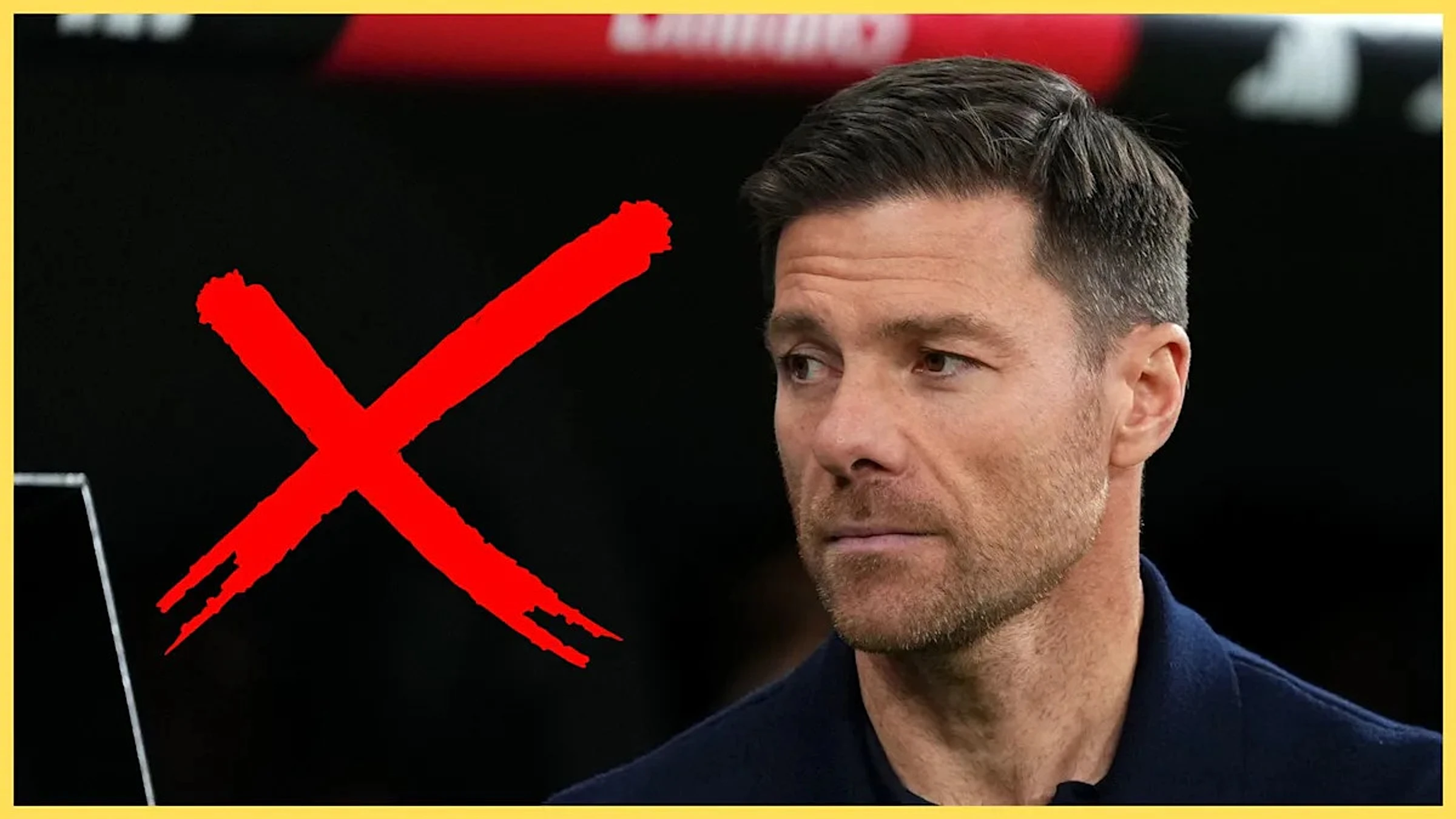
There's an intriguing twist in the Xabi Alonso to Liverpool saga, and it's not about tactics or trophies—it's about popularity. According to journalist Melissa Reddy, the club's decision-makers might actually be hesitant to bring the legendary midfielder back to Anfield because he could become too popular.
It sounds counterintuitive, right? But here's the context: Alonso, a key figure in Rafa Benítez's 2005 Champions League-winning side, has been heavily linked with the soon-to-be-vacant head coach role. This comes as Liverpool endures a disappointing campaign, limping toward a Champions League spot finish.
The concern stems from past power struggles. Michael Edwards' initial exit from Liverpool was reportedly influenced by Jürgen Klopp having an outsized say in decision-making behind the scenes—think Darwin Núñez, a signing Klopp personally pushed for, but one that didn't fit the typical Edwards mold. Now that Edwards has returned as Fenway Sports Group's CEO of Football, the power balance is swinging back firmly in favor of the "boffins" in the front office.
That's why Arne Slot was brought in specifically as "head coach" rather than "manager." The message is clear: the manager's influence will be more contained this time around.
But here's the twist Reddy highlights: Alonso's immense popularity among fans and players alike could recreate the "Klopp factor"—a manager with so much clout that the traditional hierarchy gets disrupted. "Why do the drops of information against Xabi Alonso centre around his use of a back three at Bayer Leverkusen when he employed a back four at Real Sociedad B and Real Madrid?" Reddy wrote on her Substack. She suggests these tactical critiques might be smokescreens for the real concern: that Alonso's star power could once again tip the scales away from the front office.
For Liverpool fans dreaming of a homecoming, it's a sobering thought. The very thing that makes Alonso so appealing—his legendary status and leadership—might be the very reason the club hesitates to bring him back. In the high-stakes world of modern football management, sometimes being too popular can be a problem.