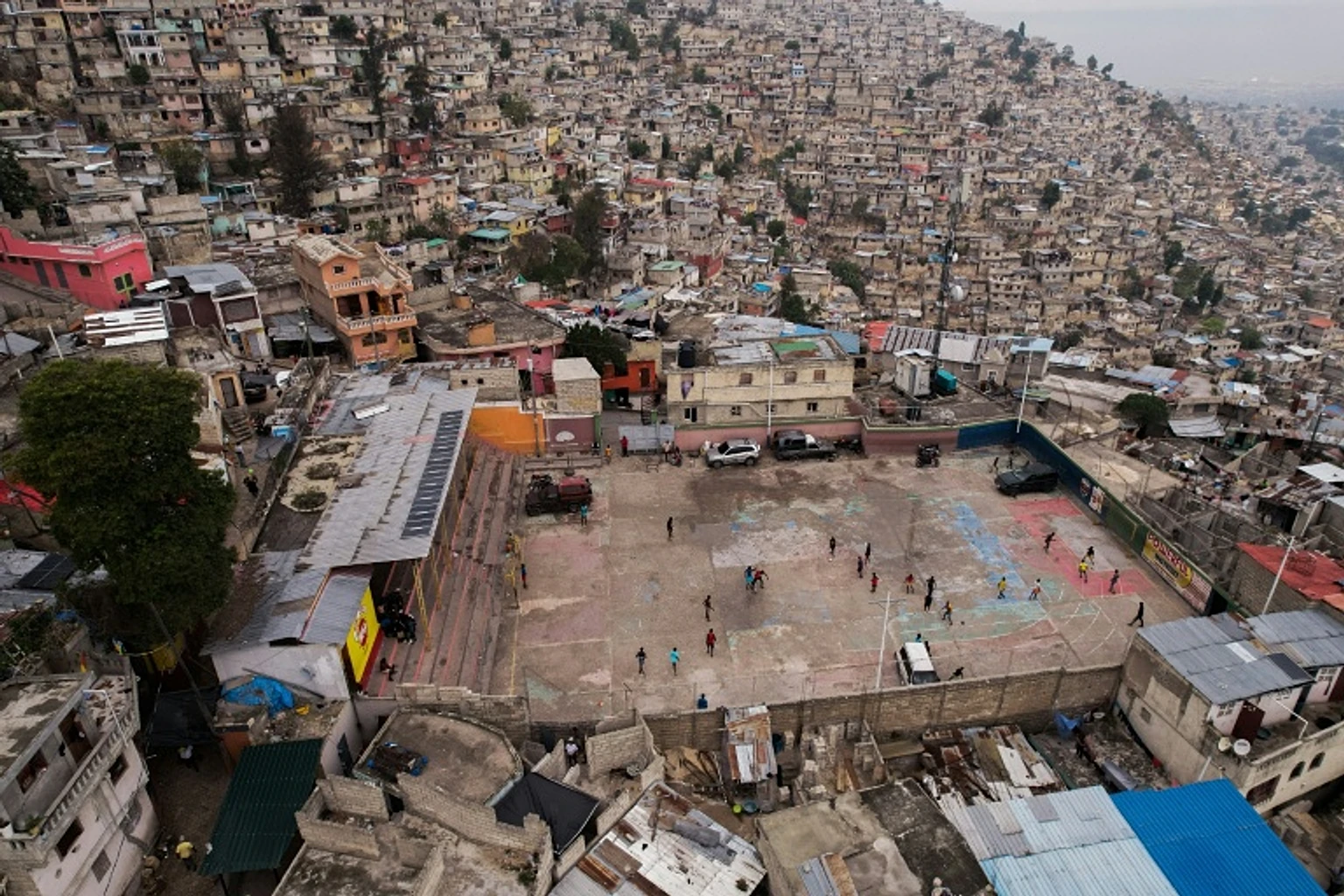
On a dusty street in a Port-au-Prince suburb, a dozen teenagers use stones for goalposts, their Sunday football game weaving seamlessly through the winding traffic. This scene is a powerful testament to a simple truth: despite profound challenges, the heart of Haiti beats for football.
The nation's qualification for the 2026 World Cup has ignited a surge of hope. For the Grenadiers, as the national team is known, this marks only their second-ever appearance on football's grandest stage, their first being back in 1974. Ending this 52-year drought is a monumental achievement, a source of immense pride for a country that lives and breathes the sport.
"Football is hope and love. It inspires pride and passion," says Salome Sandler Tally, a coach and founder of a women's football section in Port-au-Prince. "Qualifying for the World Cup is something special for a country that loves football so deeply." This passion persists against staggering odds. The nation's main stadium, Sylvio Cator, has been closed since early 2024, located in a gang-controlled area. Remarkably, Haiti played not a single home match during their entire qualifying campaign.
Yet, the beautiful game finds a way. It is played everywhere—on asphalt, dirt, and worn-out turf. From barefoot matches in neighborhood leagues to inter-school competitions, football is a unifying force. The government, recognizing this moment's significance, has allocated funds to support the team's World Cup preparations as they prepare for a daunting Group C, facing football giants Brazil, Morocco, and Scotland.
As Patrice Dumont, a former senator and sports columnist, notes, in this deeply religious nation, local holiday football leagues become "sites of pagan worship." For Haiti, football is more than a game; it's a resilient spirit, a shared dream, and now, a long-awaited return to the world stage.